Activated Carbon Media For Water Treatment

Let’s be honest: water is kind of a miracle. We turn a handle and it pours out, ready to drink, cook, and shower with. But behind that magic trick, there’s often a hardworking...

Let’s be honest: water is kind of a miracle. We turn a handle and it pours out, ready to drink, cook, and shower with. But behind that magic trick, there’s often a hardworking, slightly geeky hero we never think about.
Meet activated carbon media. It sounds like something from a science lab, but it’s actually just a super-charged version of charcoal. Think of it as a very hungry sponge that wants to eat all the yucky stuff in your water.
Why You Should Care About This Spongy Stuff
Remember that weird, metallic taste from a hotel tap? Or the chlorine smell at the community pool that lingers in your hair? That’s exactly what activated carbon is here to fix.
Must Read
It works like a magnet for bad tastes, funky odors, and nasty chemicals. It grabs them and holds on tight, so the water that reaches your glass is cleaner and way more pleasant.
Your morning coffee or tea will actually taste like coffee or tea again. No more “hints of chlorine” ruining your first sip of the day. That alone makes it worth a high-five.
The Secret Life of Carbon (It’s Pretty Cool)
Activated carbon is basically regular charcoal that’s been treated with hot gas or steam to create millions of tiny pores. One gram of this stuff has more surface area than a football field. Yes, a whole football field inside a tiny speck.
Imagine a sponge the size of your fist that could suck up an entire swimming pool. That’s the kind of superpower we are talking about here. It’s the ultimate party guest for water—it cleans up everything!
When water flows through a filter packed with this media, the contaminants stick to the carbon’s surface. It’s like a sticky trap for invisible dirt. The clean water just keeps flowing through, wondering what happened to all the gunk.
A Little Story from Your Kitchen Sink
Let’s be real: we’ve all filled a glass from the tap, smelled something off, and poured it down the drain. You don’t even want to water your plants with that stuff. I once did that with my ficus plant, and it looked at me with deep disappointment.
Then I got a simple faucet filter with activated carbon. The difference was dramatic. No more smells. No more weird aftertaste. My ficus perked up. My iced tea stopped tasting like a swimming accident.
For less than the cost of a fancy latte, you can have that same relief. It’s not just about taste—it’s about trust. You want to trust what comes out of your tap.
How It Actually Helps You Every Day
Deadly nasty stuff like pesticides, industrial solvents, and even some pharmaceutical leftovers can sneak into tap water. Activated carbon is a master at pulling these out. It’s like a bouncer at a club that only lets the nice molecules in.
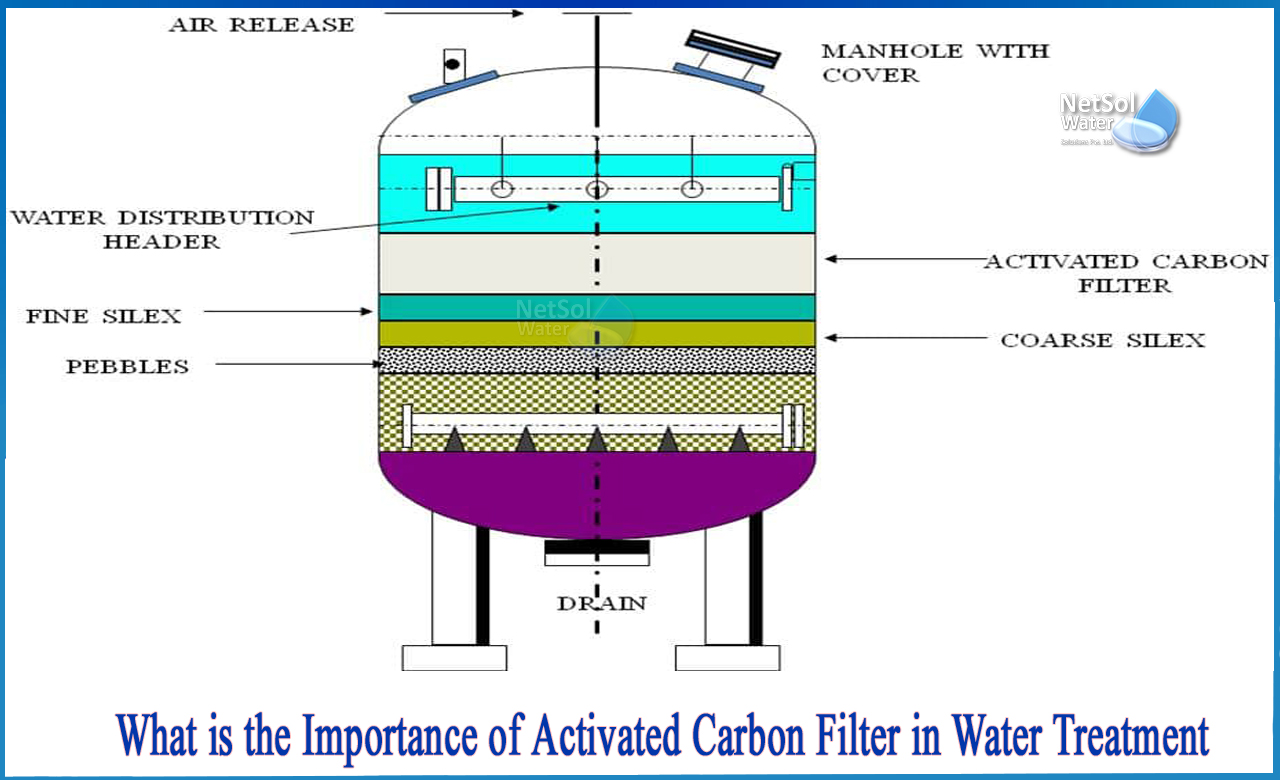 Activated carbon for water and wastewater treatment – activated carbon
It also fights volatile organic compounds (VOCs). Those are the gases that escape from paints, carpets, and cleaning supplies and end up in your water. Carbon says, “Not today, VOCs.”
Your skin will thank you too. Chlorine from city water can dry out your hair and skin. A carbon filter strips out most of that chlorine, so showers feel silkier and less like a chemical bath.
Is It a One-Time Fix?
Here’s the honest truth: activated carbon works like a battery. It gets full. Over time, those tiny pores fill up with all the captured gunk, and the filter stops being effective.
That’s why you must replace the filter cartridge every few months. Think of it like taking out the trash. If you never empty the bin, everything starts to overflow and smell worse than before.
Most filters have a little indicator or a simple schedule. Set a reminder on your phone. Your water will taste fresh, and you’ll feel like a total smarty-pants for keeping up with maintenance.
The Simple Takeaway
Activated carbon media is not a cure-all. It won’t remove heavy metals like lead or fluoride very well. For that, you need a different kind of filter (like reverse osmosis or a specialty resin). But for everyday taste and odor improvement, it’s the champ.
If you’ve ever grimaced at a glass of tap water, this is your easy, affordable upgrade. A basic pitcher with a carbon filter costs as little as twenty bucks. That’s a small price for drinking water that actually tastes good.
So next time you fill up a glass and it smells fresh, remember the little carbon heroes working hard inside your filter. They are tiny, porous, and kind of amazing. And they want you to drink up, happy and hydrated.
Go ahead—take a sip. You deserve clean, tasty water. And now you know exactly who to thank for it.
