Home Reverse Osmosis Drinking Water System

Ever taken a sip of tap water and thought, "Hmm, that's a bit... off"? You're not alone. That faint taste of chlorine or the weird mineral aftertaste can be a real buzzkill. B...
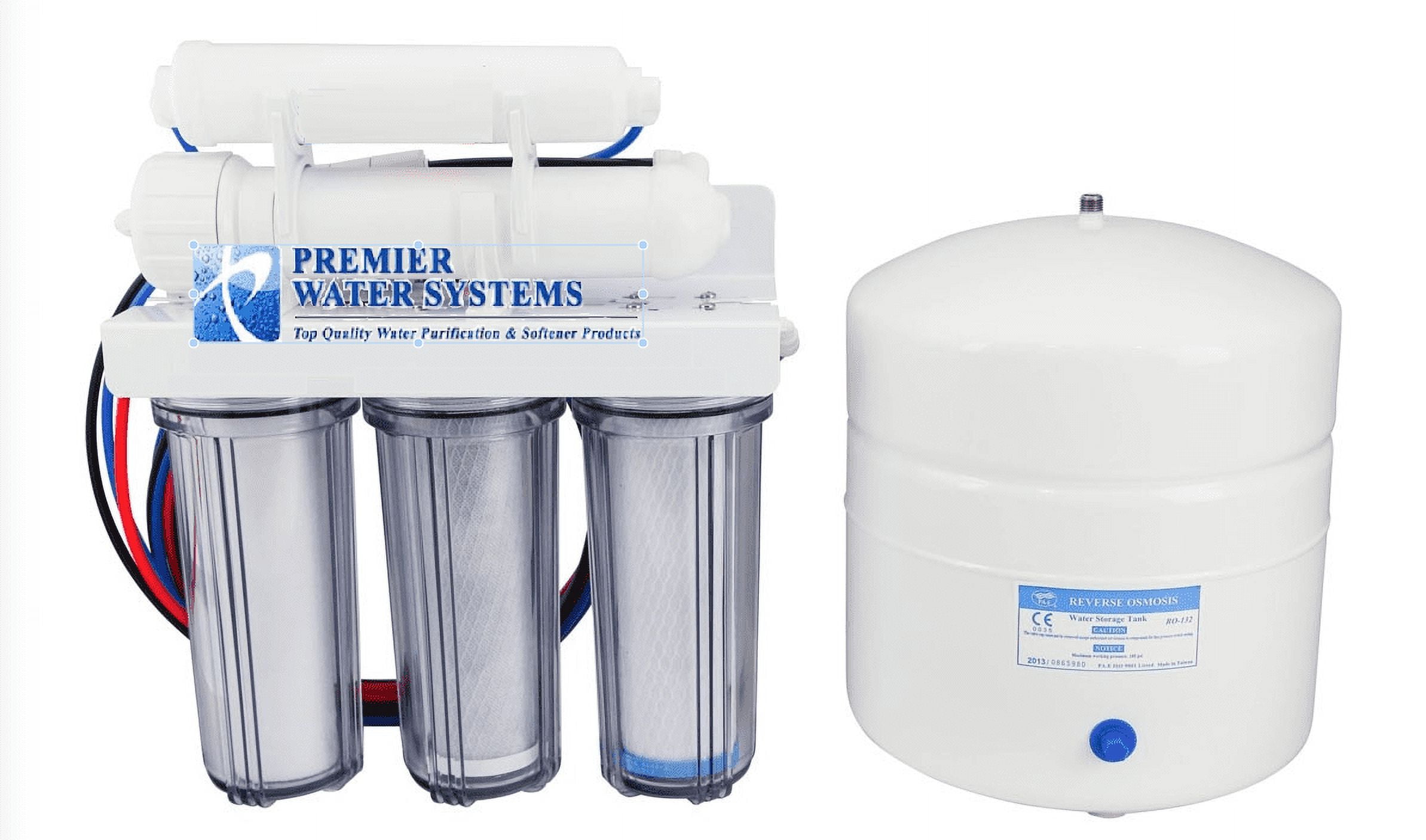
Ever taken a sip of tap water and thought, "Hmm, that's a bit... off"? You're not alone. That faint taste of chlorine or the weird mineral aftertaste can be a real buzzkill. But what if you could have pure, crystal-clear water right from your kitchen faucet, without buying a single plastic bottle ever again?
Enter the home reverse osmosis drinking water system. It sounds super technical, like something NASA would use on the space station. But honestly? It's one of the coolest appliances you can install under your sink.
So, how does this magic box actually work?
Think of it as a super-sophisticated filter that's not just a pretty net. Regular pitcher filters are like a sieve—they catch big stuff like sand or rust. Reverse osmosis (RO) is like a microscopic bouncer at a very exclusive club.
Must Read
It uses pressure to push water through a special membrane with holes so tiny that only water molecules can squeeze through. Everything else—lead, chlorine, fluoride, pesticides, arsenic, even microplastics—gets kicked to the curb.
Ever tried to strain fine coffee grounds through a paper towel? RO is like that, but a billion times more thorough. We're talking 99% of total dissolved solids gone. That's not filtering; that's water rebirth.
But does the water taste weird after that?
Great question! Pure, stripped-back water can taste a bit flat at first. That's why most home RO systems add a final carbon polishing filter. It puts back a tiny bit of zing and makes the water taste crisp, light, and incredibly refreshing.
Imagine the difference between a warm, flat soda and a cold, fizzy one. That's the gap between tap water and RO water. Once you taste it, you'll notice the difference in everything you drink.
Why is this thing so cool for everyday life?
First, coffee. Seriously. If you're a snob about your morning brew, RO water lets the real flavor of the beans shine through. No more metallic notes hiding that perfect roast.
Second, kettles and appliances. Hard water leaves those ugly white scale deposits on your kettle, coffee maker, and ice trays. RO water eliminates that. Your appliances live longer, and you never have to scrub a glass cloud again. How chill is that?
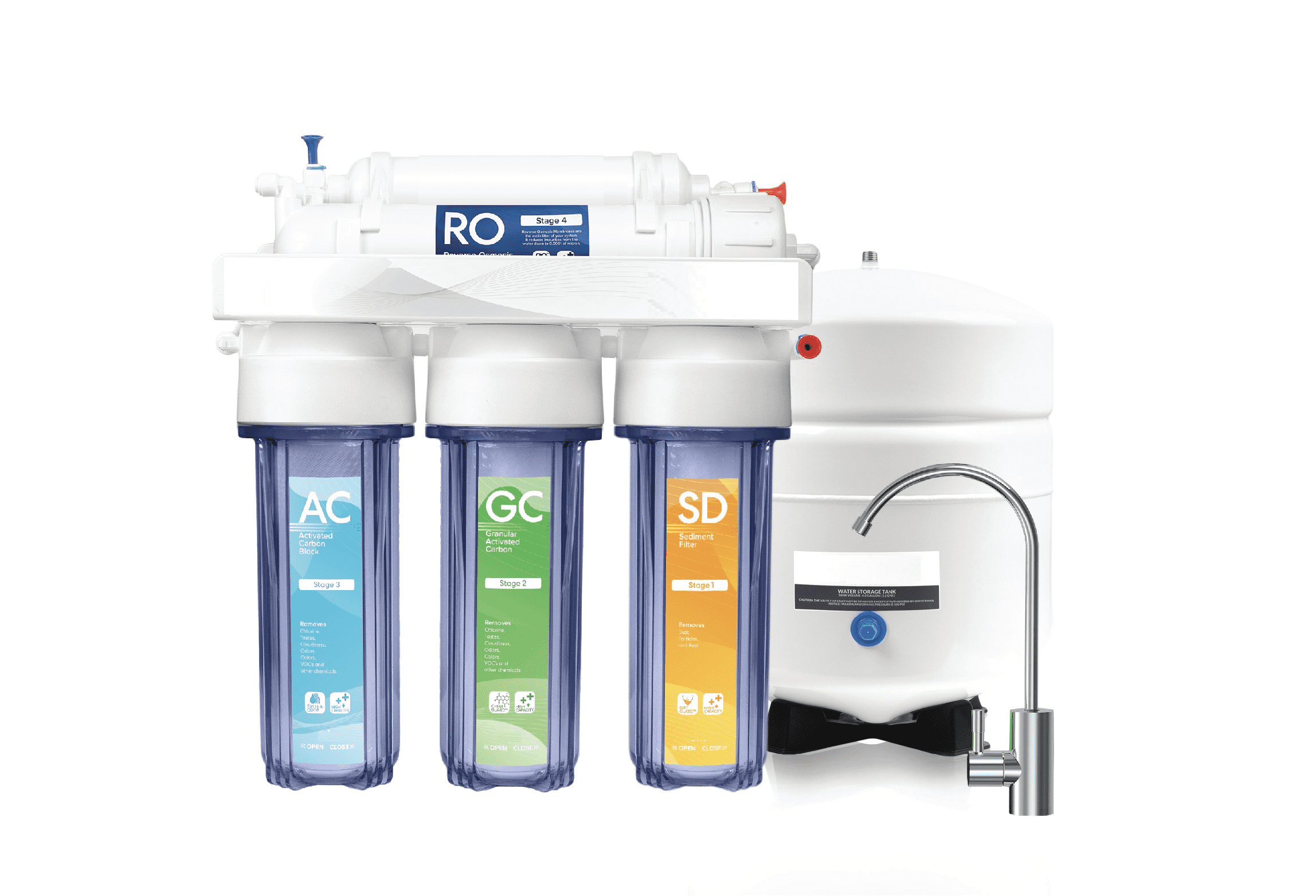 5 Stage: Complete Home Reverse Osmosis Drinking Water Filtration System
Third, but wait—what about the waste? Old-school RO systems used to spit out a lot of water down the drain. Modern systems are way smarter. They're more efficient, and that "waste" water is usually used to flush the membrane, keeping it clean. Some systems even have a pump to reduce waste to almost nothing.
Is it a pain to install and maintain?
Not really. Most countertop models are plug-and-play—you connect them to your faucet in under five minutes. Under-sink systems take a little more elbow grease, but a handy friend or a plumber can do it in an hour.
Maintenance? You swap out a few filters once a year. The membrane itself lasts for two to four years. It's way less fuss than hauling those heavy jugs of water from the store each week. You just open the tap and enjoy.
Who actually needs this?
Honestly, if you live in an area with old pipes, well water, or city water that's heavily chlorinated, an RO system is a game-changer. You stop worrying about what's floating in your glass and start enjoying the purest water you've ever had.
And let's not forget the plastic bottle guilt. Each RO glass is a tiny victory against single-use waste. You're not just hydrating; you're voting for a less trashy planet. Pretty cool, right?
So, ready to take a drink that tastes like... nothing, but in the best possible way? Your tap water is about to get a serious upgrade. Just don't blame us when you start judging every other glass of water you encounter.
Go ahead, give it a try. Your taste buds will thank you.
