Whole House Water Filter Fluoride Chlorine

You’ve just poured yourself a tall glass of tap water, and it tastes… clean. But is it? Let’s be real—most of us don’t think about what’s actually in that water beyond the occ...
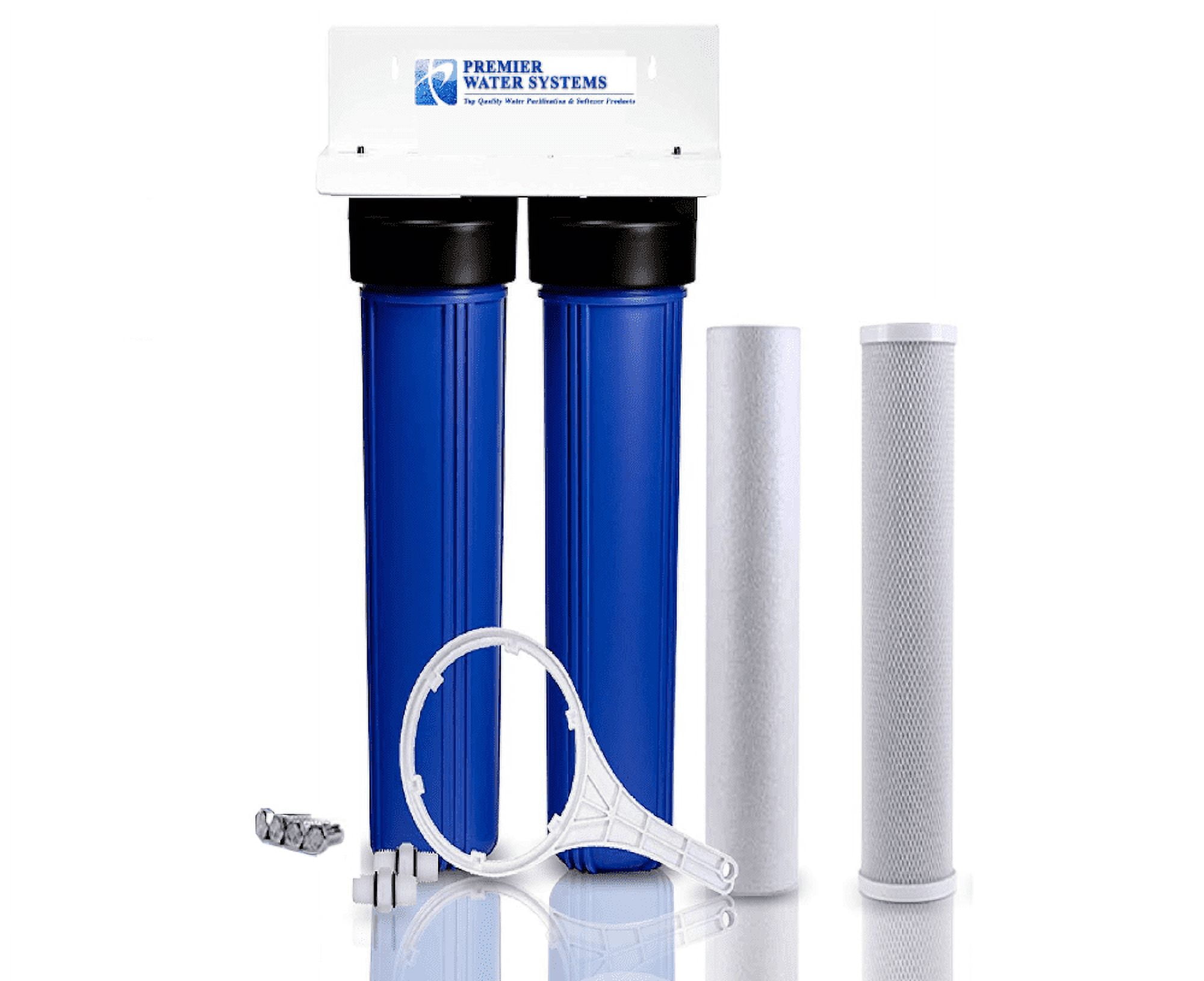
You’ve just poured yourself a tall glass of tap water, and it tastes… clean. But is it? Let’s be real—most of us don’t think about what’s actually in that water beyond the occasional chlorine whiff at the municipal plant. Enter the whole house water filter, the unsung hero of modern hydration. It’s not just about drinking; it’s about bathing, cooking, and even breathing in less chemical-laced steam.
Why We’re Talking Chlorine and Fluoride
Chlorine is the old guard of water treatment, basically the bouncer that kills bacteria. But after that initial high-five, it can leave your skin feeling like parchment and your hair looking like straw. Fluoride is the controversial guest that everyone’s arguing about at the dinner table—added for dental health, but not everyone wants to swallow it.
Your local water report might say they’re “safe,” but safety standards are a sliding scale. Whole house filtration tackles both at the source, before they touch your skin or your favorite cast-iron skillet. Think of it as a backstage pass to better water, without the concert drama.
Must Read
Here’s a fun fact: chlorine was first used to disinfect water in 1908 in Jersey City. It worked, but it also gave birth to that swimming pool smell we all secretly hate. Fluoride has been in U.S. water since 1945, a move inspired by naturally fluoridated springs in Colorado—nature’s own cavity fighter, now under debate by everyone from dentists to TikTok wellness gurus.
The Practical Side: What Gets Removed
A whole house system typically uses carbon filtration to reduce chlorine by up to 97%. It also targets volatile organic compounds (VOCs) that can make water taste like medicine. Fluoride removal requires a specific add-on, like activated alumina or reverse osmosis, so check your system’s specs like you’d check a wine label.
For chlorine, you’re looking at a granular activated carbon (GAC) filter that works like a super-powered sponge. For fluoride, you’ll need a catalytic carbon or a dedicated cartridge. Pro tip: Don’t confuse the two—your skin will thank you for catching the chlorine, but your dental debate depends on that fluoride add-on.
Your shower is a secret weapon. Hot water opens pores and your lungs, and dissolved chlorine vaporizes into a gas you inhale. Whole house filtration stops that before it becomes a mini chemistry experiment in your bathroom. It’s like banning aerosol from a kids’ party—everyone breathes easier.
Cultural Cheat Sheet: Water Filter Icons
Remember the 1980s Brita pitcher? That was the gateway drug. Now we’ve gone full Scandinavian spa with under-sink systems that look like sci-fi props. Jason Momoa even launched a water brand, but real hydration nerds know the filter is the star.
Think of Whole House Filtration as the Mary Poppins of your plumbing—efficient, slightly magical, and it makes everything better. Unlike the pitcher that only helps your drinking glass, this system treats every faucet, every toilet Fill, every washing machine cycle. No more vying for the filtered jug.
There’s a reason Berkey filters are a cult favorite among preppers and influencers alike—they’re nostalgic, like a cast-iron skillet, but for water. Whole house options, like those from Pelican or iSpring, are the upgrade that screams “I’ve read the fine print on my water bill.”
 Top 5 Whole House Filters: Fluoride & Chlorine Removal Guide
Cost vs. Convenience: The Real Talk
Expect to fork over $1,000 to $3,000 for a decent system, plus installation if you’re not a plumber. That sounds steep until you realize you’re replacing bottled water, skin creams, and hair treatments that try to undo chlorine damage. Glass shower doors also stay cleaner—less mineral spotting.
Maintenance is simple: replace the sediment pre-filter every 3–6 months, and the carbon beds every 2–5 years. Set a reminder on your phone, not a sticky note—this isn’t the 90s. Some systems even have digital monitors that ping you like a smart fridge, because #lazy sustainability is the new luxury.
Here’s a fun little fact: Chlorine can react with organic matter in water to form trihalomethanes (THMs), which the EPA classifies as possible carcinogens. A whole house filter reduces those before they ever reach your lips or your dog’s water bowl. Your pet will literally not know the difference, but their liver will.
Connecting It to Daily Life
Think about your morning routine. You brush your teeth with fluoridated water, then rinse with the same. A whole house filter lets you control that—maybe you keep fluoride for brushing but filter it out for drinking. That’s called intentional living, and it’s weirdly satisfying.
Your skin is the largest organ you’ve got, and it drinks in the shower. If you’ve ever noticed a tight feeling after a hot bath, that’s chlorine stripping your natural oils. A filtered shower head is a great Band-Aid, but whole house is the full remedy—like switching from coffee to matcha: a small shift with big vibes.
Water tastes better, too. Not in a “I’m a sommelier” way, but in a “I don’t need lemon to choke this down” way. That morning glass becomes a moment of quiet clarity, not a compromise. And your tea? It finally tastes like the leaves, not the pipe.
Here’s the reflection: Water is the most essential thing you consume, yet we treat it like an afterthought. Whole house filtration isn’t about luxury; it’s about reclaiming control over one basic element of existence. When you turn the faucet and that crisp, neutral water hits your skin, it feels like a soft reset for the day.
So go ahead—invest in that filter. You’ll stop questioning the tap, start enjoying your showers, and maybe even notice your plants perk up. It’s a small revolution for your home, one where the only chemical left is the one you choose. Cheers to that.
