Whole House Water Filter With Bypass Valve

Let’s be honest: most of us think about our home’s water about as often as we think about our own toenails. As long as it comes out of the faucet and doesn’t taste like a melt...
Let’s be honest: most of us think about our home’s water about as often as we think about our own toenails. As long as it comes out of the faucet and doesn’t taste like a melted battery, we’re happy. But then you move into a house with “hard water,” and suddenly your hair feels like straw, your dishes look like they’ve been in a fog machine, and your coffee maker starts plotting its own retirement. Enter the whole house water filter—your plumbing’s personal bouncer. And the secret VIP pass to that system? The bypass valve.
What in the Plumber’s Name Is This Thing?
Imagine every drop of water that enters your house having to pass through a giant, magical Brita pitcher. That’s the whole house water filter. It catches rust, sediment, and the mysterious black flakes that sometimes appear like tiny, aquatic ninjas. But here’s the kicker: a whole house filter without a bypass valve is like a car without a neutral gear—eventually, you’re going to want to shift.
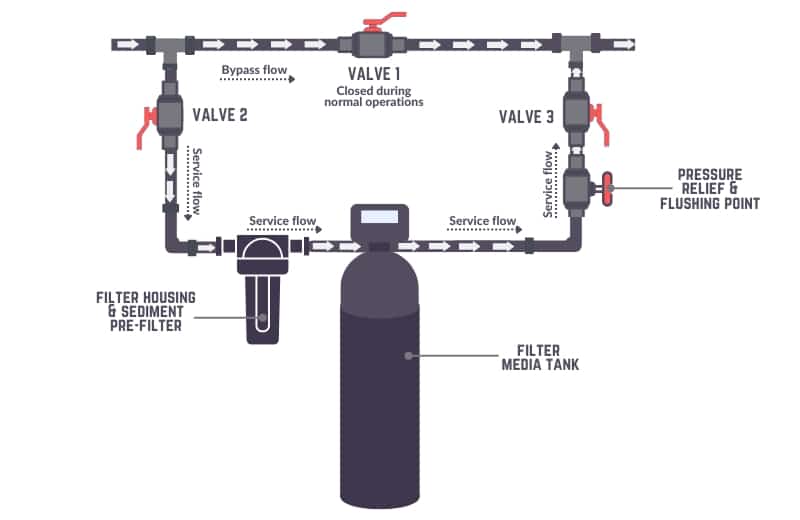
The bypass valve is a simple little lever or knob that literally lets your water skip the filter entirely. “Why would I ever want to do that?” you ask, clutching your filtered water bottle like a sacred relic. Well, my thirsty friend, there are surprising reasons that will make you appreciate this humble valve like a superhero’s sidekick.
Must Read
Reason #1: Your Garden Doesn’t Need a Spa Day
Your prized petunias and lawn don’t care about microscopic sediment or chlorine levels. In fact, many plants prefer the slightly mineral-rich “unfiltered” water from your hose. Running all that filtered, softened water to your garden is like giving your roses a bottle of Evian when they’d be happy with a fire hydrant. Just flick the bypass valve, and suddenly you’re watering your tomatoes with the same stuff they grew up with—straight from the municipal chaos. Your water bill will thank you, and your plants won’t file a complaint.
Reason #2: Filter Changes Are the Worst Party Ever
You’re supposed to change your whole house filter every three to six months. If you’ve ever tried this, you know it involves a wrench, a bucket, and at least one curse word that would make a sailor blush. The water inside that cartridge doesn’t just drain itself; it fights back. With a bypass valve, you can simply shut off the flow to the filter, let the pressure drop, and swap out the cartridge with the dignity of a professional. Without it? You’re basically wrestling a wet, angry python while standing in a puddle. Surprising fact: A typical household filter cartridge can trap up to a pound of sediment in six months—that’s the weight of a small raccoon floating around your plumbing. You’re welcome for that image.
The “Oops, It’s Broken” Emergency Plan
Nothing is invincible, including your fancy filter. Seals crack, housings get hairline fractures, and sometimes the whole thing decides to become a miniature indoor fountain at 2 AM. This is where the bypass valve becomes your best friend and personal hero. One twist, and water is flowing directly to your house while you calmly Google “how to fix a filter housing without crying.” Your family can still shower, flush, and make coffee while you wait for a replacement part or a plumber who doesn’t charge like a rockstar. Without the bypass? You’re turning off the main water supply and living like a pioneer, boiling creek water in the backyard. Not fun.
 Changing Your Whole House Water Filter : 10 Steps (with Pictures
Surprising Fact: It Can Save Your Washing Machine
Here’s a weird one: bypass valves can protect your appliances from themselves. When you run a hot water cycle in your washing machine or dishwasher, that scorching water can sometimes “melt” or degrade certain filter components over time. By switching to bypass for just those hot loads, you extend the life of your filter and your machine. It’s like giving your appliances a cheat code. And if you’re worried about bacteria? Modern bypass valves are designed to prevent backflow, so the unfiltered water doesn’t contaminate your filtered supply. Science—it’s like magic, just with more math.
The Bottom Line (And a Small Warning)
Look, buying a whole house water filter without a bypass valve is like buying a car with no spare tire. Technically, you can still drive it—until you can’t. The valve adds maybe $50 to the cost of installation, but it saves you from weekend plumbing nightmares, weird garden water arguments, and that moment when you’re ankle-deep in filter gunk. Pro tip: Install it before you need it. That’s the kind of responsible adulting that makes your future self buy you a beer.
So go ahead, treat your home to a whole house filter. But don’t be a hero. Get the bypass valve, and keep your sanity intact. Now if you’ll excuse me, I need to go change my own filter—with the bypass, naturally. Like a boss.
