Reverse Osmosis Aquatec 1000 Permeate Pump

So, picture this: it’s a Tuesday evening, and I’m staring at my under-sink reverse osmosis system like it’s a personal betrayal. The faucet is dripping—no, it’s whispering—a s...
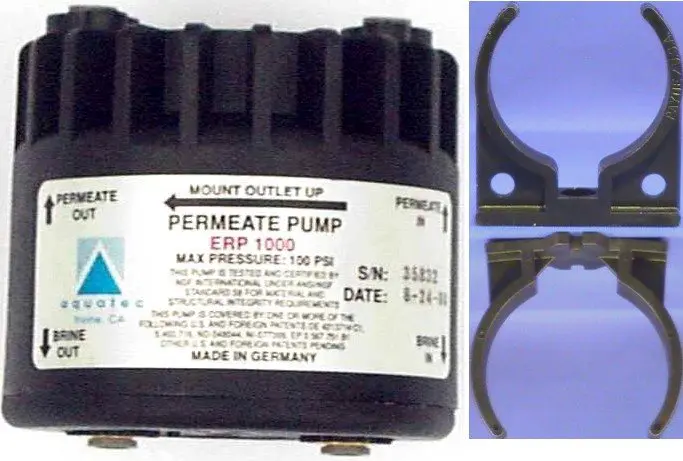
So, picture this: it’s a Tuesday evening, and I’m staring at my under-sink reverse osmosis system like it’s a personal betrayal. The faucet is dripping—no, it’s whispering—a sad little stream of water that takes forever to fill a single glass. I’m thinking, “This is the best we can do in the 21st century?” That’s when a friend, a total water nerd (bless him), casually mentioned the Aquatec 1000 Permeate Pump. I laughed, because a pump for water? Really? But I was desperate, and frankly, my patience was as low as my water pressure.
Here’s the thing: standard reverse osmosis systems are gloriously lazy. They rely on your home’s water pressure to push water through that fancy membrane, but they waste a ton of water doing it. You know that annoying gurgling sound from the drain? Yeah, that’s your money and water going bye-bye. The Aquatec 1000 is basically a tiny, tireless employee that says, “Sit down, I got this.” It uses the system’s own waste water to create a vacuum, which dramatically speeds up the whole process.
What Does This Little Box Actually Do?
Honestly, before I bought one, I thought a pump would be loud, complicated, and require a degree in plumbing. Nope. The Aquatec 1000 is a compact, black, and surprisingly quiet unit. It connects directly to your RO system. The magic is that it reduces the back pressure on the membrane, so the good water flows out faster and the waste water is cut nearly in half. It’s like giving your filter a turbo boost.
Must Read
I remember the first time I installed it. I was half-expecting a symphony of mechanical clanking. Instead, I got a gentle hum—like a happy refrigerator. The difference in water production was almost laughable. I went from filling a liter bottle in three minutes to doing it in under one. Speed isn’t just a luxury; it means your storage tank fills up between uses, so you’re never waiting for a glass of water at 2 a.m. again.
The “I Don’t Need This” Myth (Spoiler: You Probably Do)
Let’s be real here. You might think, “My RO system works fine, why complicate it?” Sure, it works—like a sloth on a sedative works. But the Aquatec 1000 isn’t just about speed; it’s about efficiency. Most standard RO systems have a recovery rate of 20-30%, meaning 70-80% of the water you put in goes down the drain. Shocking, right? This pump can bump that recovery up to 50% or more. That’s less waste, lower water bills, and you get to feel a tiny bit smug about helping the planet.
Also, let’s talk about water pressure. If you live in a house with low incoming pressure (below 40 psi), your RO system practically gives up. It will make water, but it’ll be a trickle. The Aquatec 1000 doesn’t care about your weak plumbing; it creates its own pressure. It’s like a stubborn little hero that says, “Low pressure? Never heard of her.” I have a friend on a well, and he said this pump made his water taste fresher because it wasn’t sitting in the tank so long.
Installation: Not as Scary as It Sounds
Okay, I know I said I installed it myself, but I’m not a handyman. I’m the guy who reads the instructions, scratches his head, and then watches three YouTube videos. The good news is that the Aquatec 1000 kit usually comes with a clear installation guide and all the push-fit fittings you need. You literally cut one tube, insert a tee fitting, connect the pump, and plug it in. The hardest part was finding an outlet for its power adapter, which is tiny and unobtrusive.
 Aquatec Non-Electric Reverse Osmosis Permeate Pump | ERP-1000
One little warning: the pump is designed to work with specific RO systems, so triple-check that yours is compatible. I almost bought the wrong model because I skimmed the description. Most standard 4-stage or 5-stage systems work perfectly, but don’t be like me. Read the fine print, people. Also, you might need a separate flow restrictor, but the package usually includes it. Trust me, the moment you see that first fast stream of water, you’ll forgive any small hassle.
The Verdict: Should You Buy One?
If you’re happy waiting for your water like it’s a fine wine being decanted, then skip it. But if you use your RO system for drinking, cooking, or even making coffee (hello, zero-taste water for pour-overs), this pump is a game-changer. I’ve had mine running for two years now, and it’s been dead silent and reliable. No leaks, no weird noises, just consistent, fast, and less wasteful water.
Let’s be honest: the pump costs around $60-80, which feels steep for a plastic box. But think about it. You’ll save on water bills, you won’t replace your membrane as often (because of the reduced pressure stress), and you’ll actually use your system more. I went from “ugh, I’ll just drink tap water” to “hey, pass me the RO water for my iced tea.” It’s one of those purchases you make grudgingly and then thank yourself for a year later.
So, if your RO faucet is currently dribbling like a sad garden hose, do yourself a favor. Grab an Aquatec 1000 Permeate Pump. It’s a small investment that pays off in convenience, sanity, and slightly better karma with your water bill. And hey, you can finally fill that giant bottle for the gym without timing it with a calendar. You’re welcome. Now go hydrate.
