Drinking Water Treatment Chemical Products

You know that cool, clear glass of water you reach for first thing in the morning? It didn’t just *happen*. Behind that simple, refreshing sip is a tiny, hard-working army of...
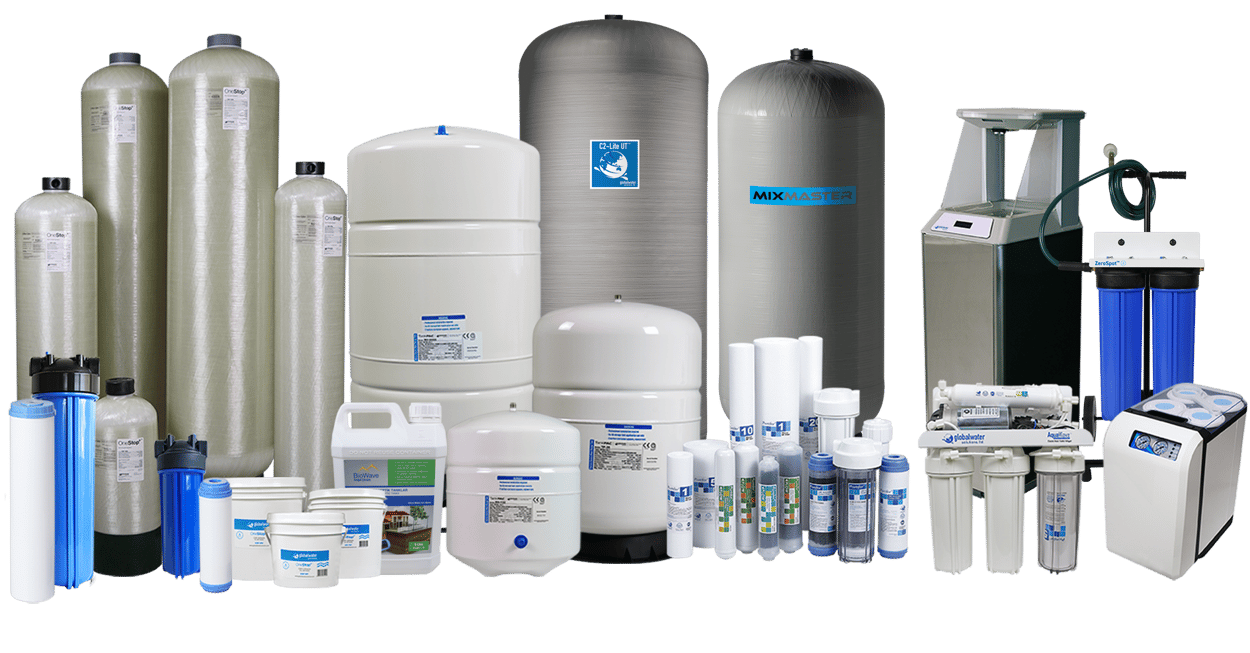
You know that cool, clear glass of water you reach for first thing in the morning? It didn’t just happen. Behind that simple, refreshing sip is a tiny, hard-working army of drinking water treatment chemicals—the unsung heroes of your kitchen faucet.
The Magic Behind the Tap
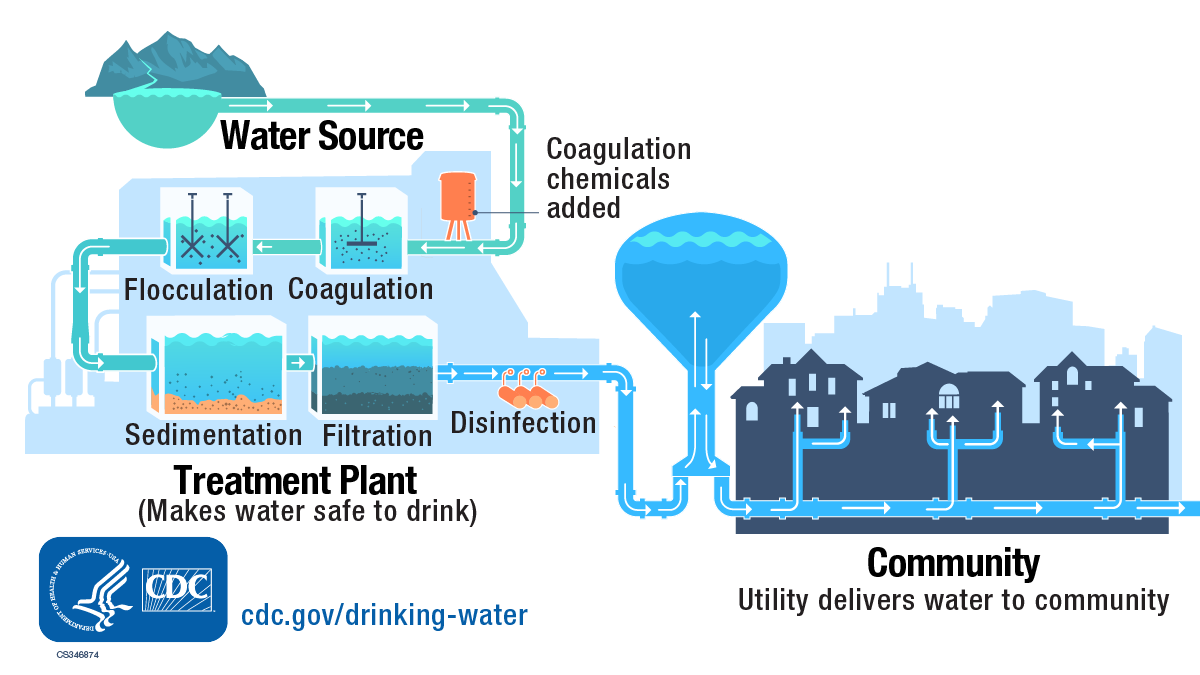
Think back to the last time you made a pot of coffee. You probably used a filter, right? Your city’s water plant is doing the same thing, but on a much bigger (and more exciting) scale. They use special chemical products to trap the stuff you don’t want, like dirt, tiny bugs, and weird tastes.
It’s a bit like making magic mud pies as a kid. You’d add a little powder to make the dirt clump together. Water plants use coagulants, like aluminum sulfate, to do exactly that—grab all the invisible gunk and make it heavy enough to settle to the bottom.
Must Read
Without these hard-working chemicals, your water would look more like a murky pond than a crystal-clear glass. And honestly, nobody wants a pond-flavored morning coffee.
The "Bad Guy" Bouncers
Next up, we have the bouncers. Disinfectants like chlorine are the tough guys at the club door, but for your water. They kick out bacteria, viruses, and other tiny party crashers that would love to make you sick.
I remember visiting a friend’s cabin by a lake. We tried the well water, and it smelled a bit like a damp basement. A little bit of chlorine shock treatment later, and it was like a brand new world—clean, fresh, and safe to drink. That’s real chemical magic.
We often complain about that slight "pool smell" in our tap water. But think of it this way: that faint whiff is the sound of your water’s personal security team doing a perfect job of keeping the bad guys out.
Fixing the Taste and Look
Have you ever filled a glass and thought, "Hmm, that water looks a little cloudy"? That’s usually just tiny air bubbles, but sometimes it’s turbidity—little bits of stuff floating around. Chemical flocculants gently help those bits stick together so they can be filtered out completely.
Then there’s the matter of hard water. If you’ve ever seen white, crusty buildup on your showerhead or your tea kettle, you’ve met calcium and magnesium. These minerals aren’t unhealthy, but they can be a real pain.
Treatment plants sometimes add lime or soda ash to soften the water. It’s like adding a fabric softener to your laundry, but for your whole house. Your soap bubbles better, your dishes spot less, and your skin feels way less dry. It’s a little chemical hug for your whole plumbing system.
The pH Balancing Act
Water can be naturally a little acidic, especially if it comes from rain or groundwater. Acidic water is like that friend who’s a little too sour—it can actually start to eat away at your metal pipes.
 Water Purification: Khám Phá Lọc Nước Và Cách Sử Dụng Hiệu Quả
To fix this, plants add pH adjusters, usually something simple like sodium carbonate. It’s a basic soothing agent that brings the water back to neutral. Think of it as giving your water a calm, happy place to live so it doesn’t corrode your new copper pipes.
This balancing act also helps the disinfectants work better. It’s all about teamwork—the right chemicals at the right levels make every part of the process work in harmony.
Why You Should Care (The Fun Part)
Look, I know "chemical products" sounds like a science lab. But these are the same kinds of helpers you use at home. You use dish soap to break down grease. You use laundry detergent to lift dirt. Water treatment is just a bigger, more careful version of that.
Here’s the real kicker: this process saves lives. Before modern treatment, diseases like cholera and typhoid were common in cities. Now, because of these chemical guardians, we can turn on the tap without a second thought. That’s a superhero origin story we rarely celebrate.
Next time you fill your water bottle for a hike, pour a glass for your kids, or make that perfect iced tea, take a second. Give a little nod to the coagulants, disinfectants, and pH adjusters—the workhorses of the water world. They’re the reason you’re drinking something so clean and tasty, not a science experiment gone wrong.
A Little Gratitude Goes a Long Way
So, is it "just chemicals"? No way. It’s carefully chosen, expertly managed, life-giving chemistry. It’s the difference between a scary swamp and a trusty sidekick.
I don’t know about you, but I’m raising my glass to those treatment plant operators and their big bags of white powder. They’re making sure the water you drink is the best possible version of itself. Cheers to that.
Drink up, friend. The chemistry is on your side.
