Blackwater Estuary National Nature Reserve

So, picture this: I’m standing on a muddy path, wind whipping my hair into a frenzy, and a massive, prehistoric-looking bird flies just a few feet over my head. Its wing tip p...
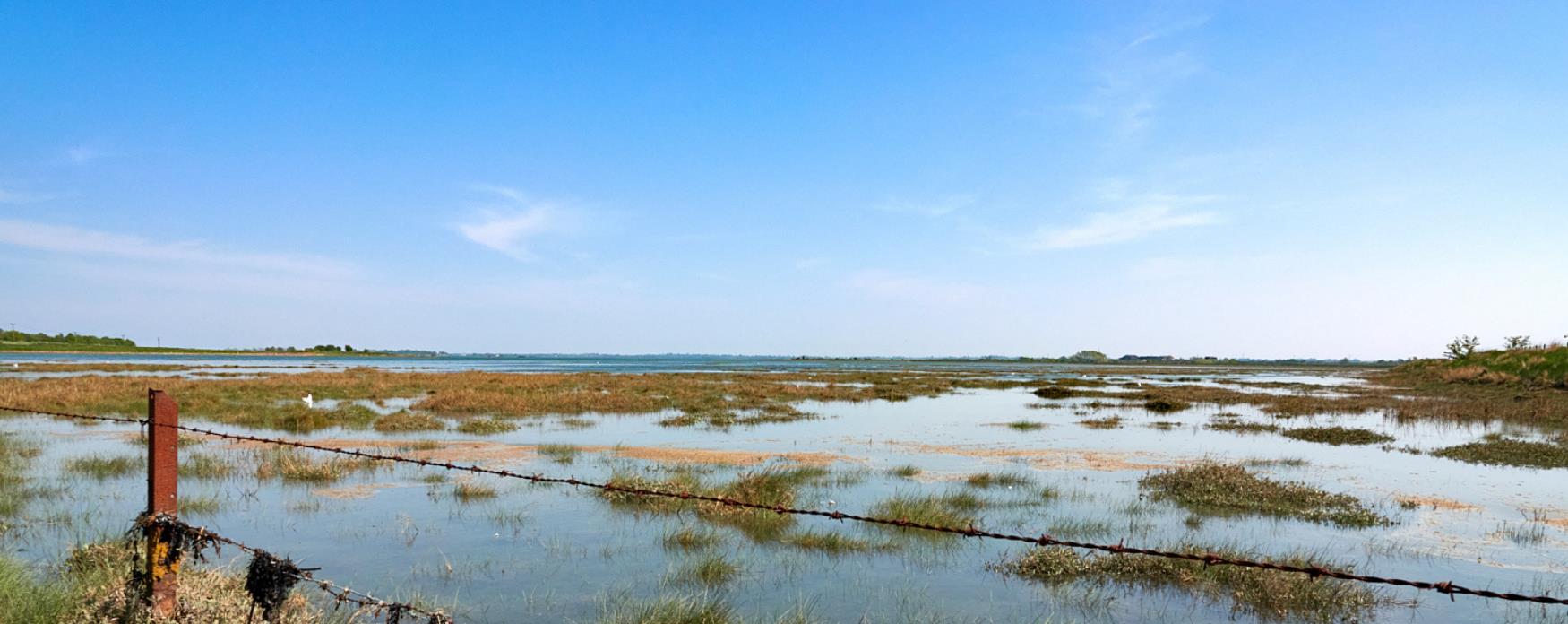
So, picture this: I’m standing on a muddy path, wind whipping my hair into a frenzy, and a massive, prehistoric-looking bird flies just a few feet over my head. Its wing tip practically brushed my ear (no joke), and I let out a noise that was half-scream, half-laugh. It was a marsh harrier, obviously unimpressed by my dramatics, and it was showing off exactly why the Blackwater Estuary National Nature Reserve is one of the UK’s best-kept secrets.
That close encounter wasn’t a fluke; it’s the whole point of this place. The Blackwater Estuary isn’t just a big puddle with some grass around it—it’s a spectacular mosaic of saltmarshes, mudflats, and creeks that makes bird nerds and nature lovers go completely weak at the knees. You don’t just visit; you wade into a landscape that’s constantly breathing, shifting with every tide.
The Mud, the Birds, and the Absolute Chaos of the Tide
Must Read
Let’s get one thing straight: this reserve is muddy. Gloriously, disgustingly muddy. If you’re the type who hates getting dirt on your sneakers, you might want to sit this one out. For everyone else, the mudflats here are like a five-star buffet for thousands of wading birds.
Think of it as avian fast food—only healthier, because these birds are truly wild. Curlews with their absurdly long, curved beaks probe the sludge like they’re searching for buried treasure. (Spoiler: they usually find worms.) And then there are the oystercatchers, looking like they’re dressed for a fancy dinner party in their black-and-white tuxedos, screaming at each other over a clam.
You can’t escape the sheer volume of life here. During winter, you’ll see flocks of brent geese flying overhead in tight V-formations. They honk like they’re complaining about the traffic, but honestly, it’s the most beautiful noise you’ll ever hear—unless you’re trying to have a quiet phone call.
Why You Should Go at Low Tide (And Why You’ll Smell Like It)
Here’s the golden rule, and I’m saying this directly to you: check the tide times before you go. Seriously, do it. At high tide, the water covers everything, and the birds are just floating specks in the distance. But at low tide?
That’s when the magic happens. The mudflats are exposed, and tens of thousands of birds—knots, dunlins, grey plovers—descend to feed. They move in these synchronized waves, like a living river of feathers. You’ll think your eyes are glitching. And yes, you will smell like low tide—a mix of salt, decaying seaweed, and what I can only describe as “earthy funk.” Own it. It’s a badge of honor.
The Weird History You Didn’t Ask For (But I’m Telling You Anyway)
You might think this place has always been a quiet bird sanctuary, but the Blackwater Estuary has a wild backstory. Back in the day, it was a hotspot for smugglers. Seriously. Those winding creeks and hidden inlets were perfect for sneaking in contraband like brandy and tobacco without paying the taxman.
Can you imagine? Drunken smugglers in rowboats, cursing under their breath while trying to avoid the excise men, all while a flock of shelducks just watches them from the reeds. It’s almost too perfect. Today, the only illegal activity happens when you steal a bit of driftwood for your beach collection (please don’t, the crabs need it).
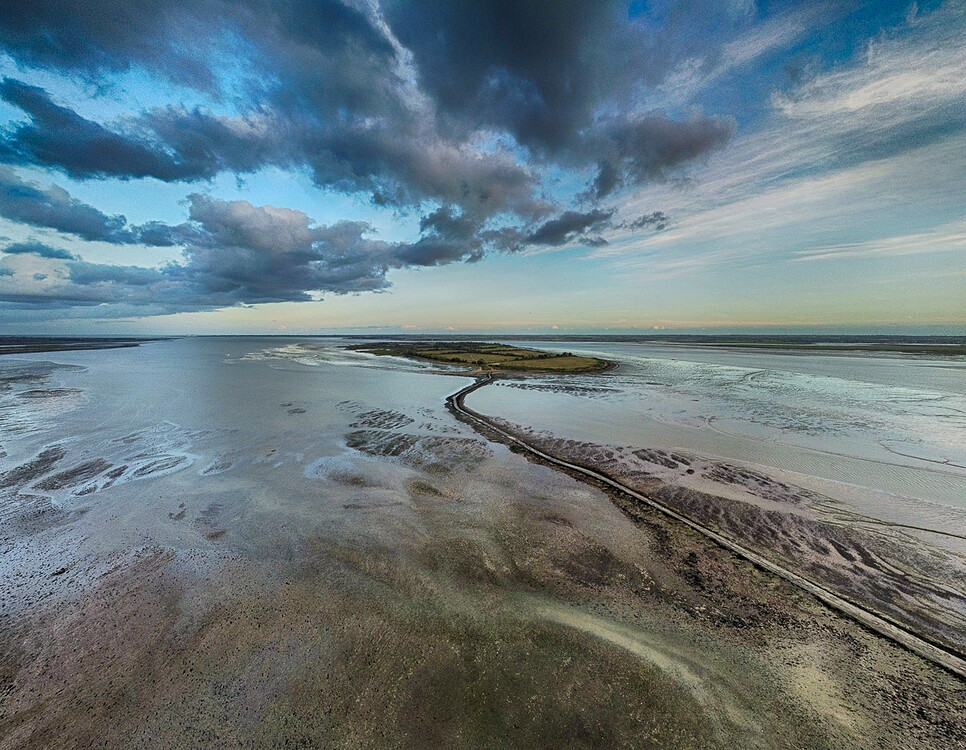 Osea Island and Causeway, Blackwater Estuary - Photos by Drone - Grey
And then there’s the military connection. The estuary was used for secret WWII training exercises. Landing craft practiced here, getting stuck in the mud just like I do when I take a wrong step. So if you ever feel clumsy while walking the sea wall, just remember: the Royal Navy probably did the same thing here, but with tanks.
What You Absolutely Must Do (And What You Should Avoid)
First, bring binoculars. I know, I know, it sounds like a cliché, but you’ll regret it if you don’t. Your phone’s zoom is a joke compared to seeing a little egret’s yellow feet through proper glass. Walk the sea wall path from Mill Beach to the hide near Tollesbury—it’s flat, easy, and gives you the best front-row seats.
Second, avoid the saltmarsh at high tide. There’s a reason it’s called a “marsh.” You won’t be walking; you’ll be wading in frigid water up to your knees, clutching your camera bag like a fool. I’ve done it. I’m still embarrassed.
Third, talk to the local birdwatchers. They’re a bunch of friendly, slightly obsessed people with tripods and thermoses of tea. They’ll point out a peregrine falcon doing a 200mph dive, and you’ll feel like you’ve joined a secret club.
The Quiet Magic You Can’t Plan For
Here’s the thing about the Blackwater Estuary that I can’t really put into a neat list: it’s huge and empty in a way that makes your brain reset. You can walk for an hour and see no one but a solitary grebe fishing in a narrow creek.
The light changes constantly. One minute, the sky is a perfect, angry grey, matching the mud. The next, a gap in the clouds turns the water into liquid silver. It’s the kind of place that makes you think about big, pointless things—like time, or what ducks dream about.
So, if you need a break from… well, everything… pack some waterproof boots, a flask of something warm, and head to the Blackwater. Let a marsh harrier scare the daylights out of you. Get your shoes filthy. And when you feel that cold wind on your face, just remember: the smugglers and the soldiers and the geese all found something here. You will too.
