Average Water Bill For Commercial Property

So, you’re thinking about the average water bill for a commercial property. Exciting stuff, right? I know, it’s not exactly the plot of a summer blockbuster. But trust me, thi...
So, you’re thinking about the average water bill for a commercial property. Exciting stuff, right? I know, it’s not exactly the plot of a summer blockbuster. But trust me, this is the kind of knowledge that keeps your wallet from feeling like a leaky faucet.
Let’s be real: nobody wants a surprise water bill that looks like a phone number. That’s the kind of shock that makes you question your business life choices. But we’re going to dive in and figure this out together—no scuba gear required.
What’s the Magic Number, Anyway?
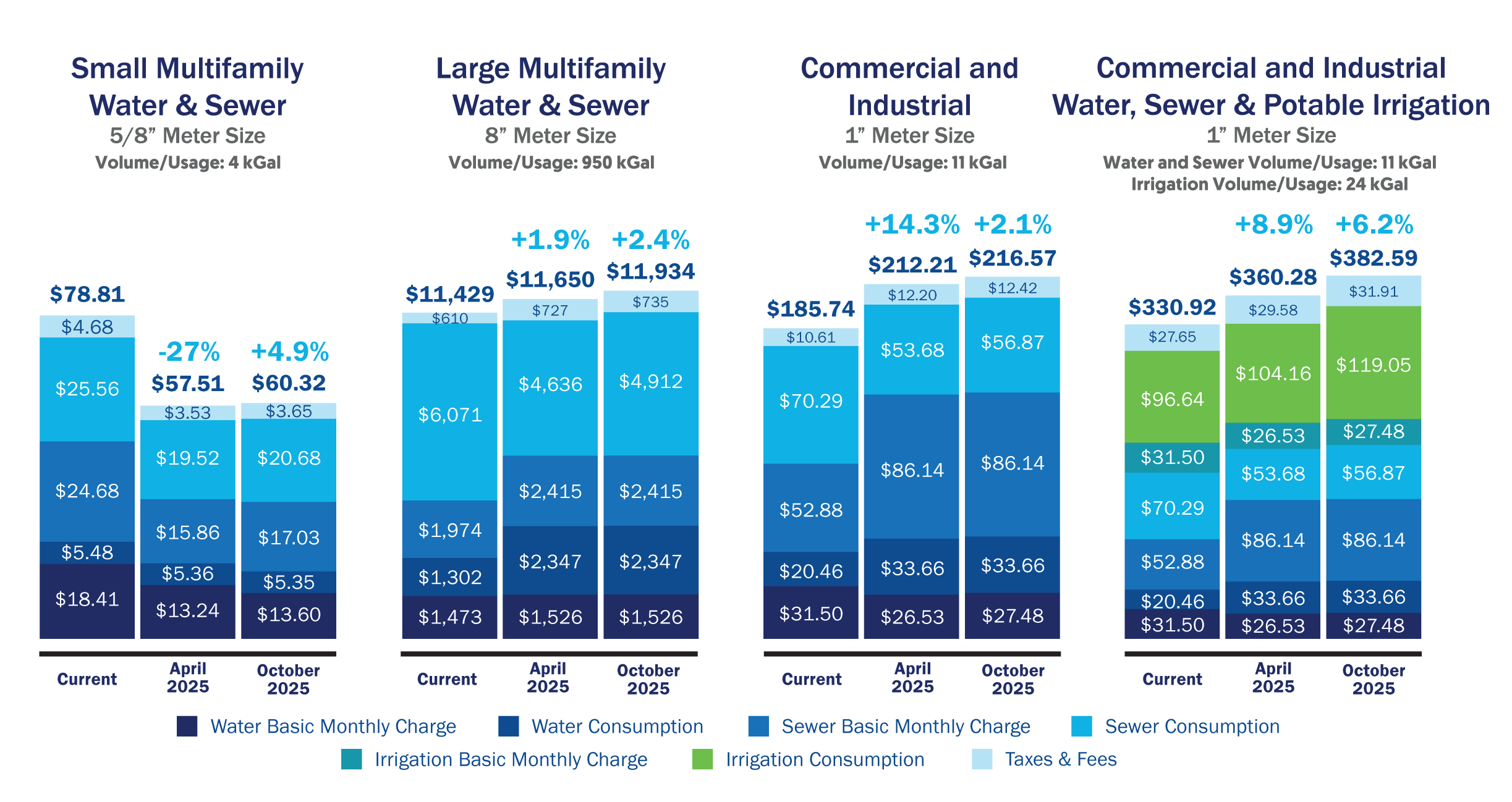
Okay, let’s rip off the Band-Aid. The average commercial water bill in the U.S. can range from $150 to $500 per month. I know, “average” is a bit like saying “average pizza.” It depends on whether you’re in a tiny office or a car wash that hoses down SUVs all day.
Must Read
That number can skyrocket to $1,000 or more for industries like laundromats, restaurants, or fancy hotels. If you run a brewery, your water bill might be higher than your rent. Cheers to that, I guess.
The “It Depends” Trap (and Why You Shouldn’t Panic)
Here’s the thing: your specific bill depends on three big factors: how many people use the water, what you do with it, and where you live. A dentist’s office? You’re mostly just washing hands. A gym with a pool? You’re basically running a miniature ocean.
Location matters more than you think. A commercial property in New York City might pay double what a similar one in Phoenix pays. That’s right—water prices vary by city like ice cream flavors. Some cities add fees for sewage, others for stormwater, and some just like to watch you sweat.
Don’t forget seasonal madness. If your property has landscaping, expect your water bill to moonwalk upward in summer. Grass doesn’t grow on cheap water, unfortunately. And if you’re in a drought-prone area, your city might add a “because we’re running out” surcharge. Fun times.
Breaking Down the Bill (Without a Calculator)
Let’s peek inside a typical commercial water bill. You’ll see usage charges (how many gallons you used), service fees (the “just because” charge), and sewer charges (for all the stuff that goes down the drain). Sewer is often the bigger headache—it’s usually more expensive than the water itself. Ironic, right?
Some bills also include fixed charges for meter maintenance. That’s like paying a cover charge at a club, but way less fun. And if you have a fire sprinkler system, you might be paying a fee for “fire line” water that you hope you never use.
Here’s a pro tip: check your bill for leak adjustments. If a toilet runs like a haunted house ghost, your water company might give you a one-time break. Don’t be shy—call them and say, “My toilet is crying.” They’ve heard worse.
The Industry-Specific Reality (Worst-Case Scenario vs. Best Case)
Let’s play a quick game of “How Much Does Your Industry Leak?”
Restaurants are the rock stars of water bills. Between dishwashers, ice machines, and handwashing every five minutes, a mid-sized restaurant can easily hit $500–$800 per month. That’s a lot of soup.
Office buildings are the chill ones—just bathrooms and a breakroom sink. You’re probably looking at $150–$300 unless you have a koi pond in the lobby (which I don’t recommend for accounting firms).
 Commercial Water Bill Calculator
Medical offices? Dental practices especially use gallon after gallon for suction and cleaning. Expect $350–$600. But hey, at least your patients have nice smiles.
How to Cut That Bill (Without Becoming a Water Witch)
First, get low-flow fixtures. Toilets, faucets, and showerheads that use less water are like giving your property a diet. It’s easier than you think. Also, install aerators on taps—they add air to the water stream so you use less without noticing. It’s like a magic trick for your plumbing.
Second, hunt for leaks like you’re on a reality TV show. A single dripping faucet can waste 3,000 gallons a year. That’s enough to fill a small swimming pool—a pool of regret. Most water companies will send a technician for free to check. Use that power.
Third, negotiate your rate. Yes, you can haggle with your water utility! Call them and ask if they have “commercial conservation rates” or “wastewater credits.” You’d be surprised how many discounts hide in the fine print. They want you to use less water, so let them help you.
And if you have landscaping, water at night. It’s cooler, so less evaporates. Plus, you feel like a secret agent sneaking around with a hose in the dark.
What About Smart Tech? (Spoiler: It’s Worth It)
There are smart water meters now that send alerts to your phone if usage spikes. It’s like a Fitbit for your building. One restaurant owner I know caught a major leak at 2 a.m. and saved $1,200 in one month. That’s a weekend in Cabo, my friend.
You can also install submeters for different areas of your property. That way, you know exactly which tenant is having a 20-minute shower party. It’s not about being nosy—it’s about fairness. And accountability. Okay, maybe a little nosy.
The Uplifting Conclusion (Because You Made It This Far)
Look, water bills for commercial properties are like a grumpy neighbor—they show up uninvited and demand attention. But now you know the average, the variables, and the hacks to keep your costs cool. You’ve got this.
Remember, every drop you save is a victory dance for your budget. And one day, when you get that perfectly reasonable water bill, you’ll smile and think, “I am the master of hydration economics.” Or at least you’ll have more money for coffee.
So go ahead—check your pipes, call your utility, and high-five your plumber. Your property is going to be a water-saving legend. And if anyone asks, you can say you learned it from a friend who wrote a very cool article about it. You’re welcome. 😉
