Under Sink Hot And Cold Water Filter System

So, you’ve finally realized that drinking straight from the tap is basically a game of “Will It Kill Me?” The ice cubes clink, but so does the secret sediment party happening...
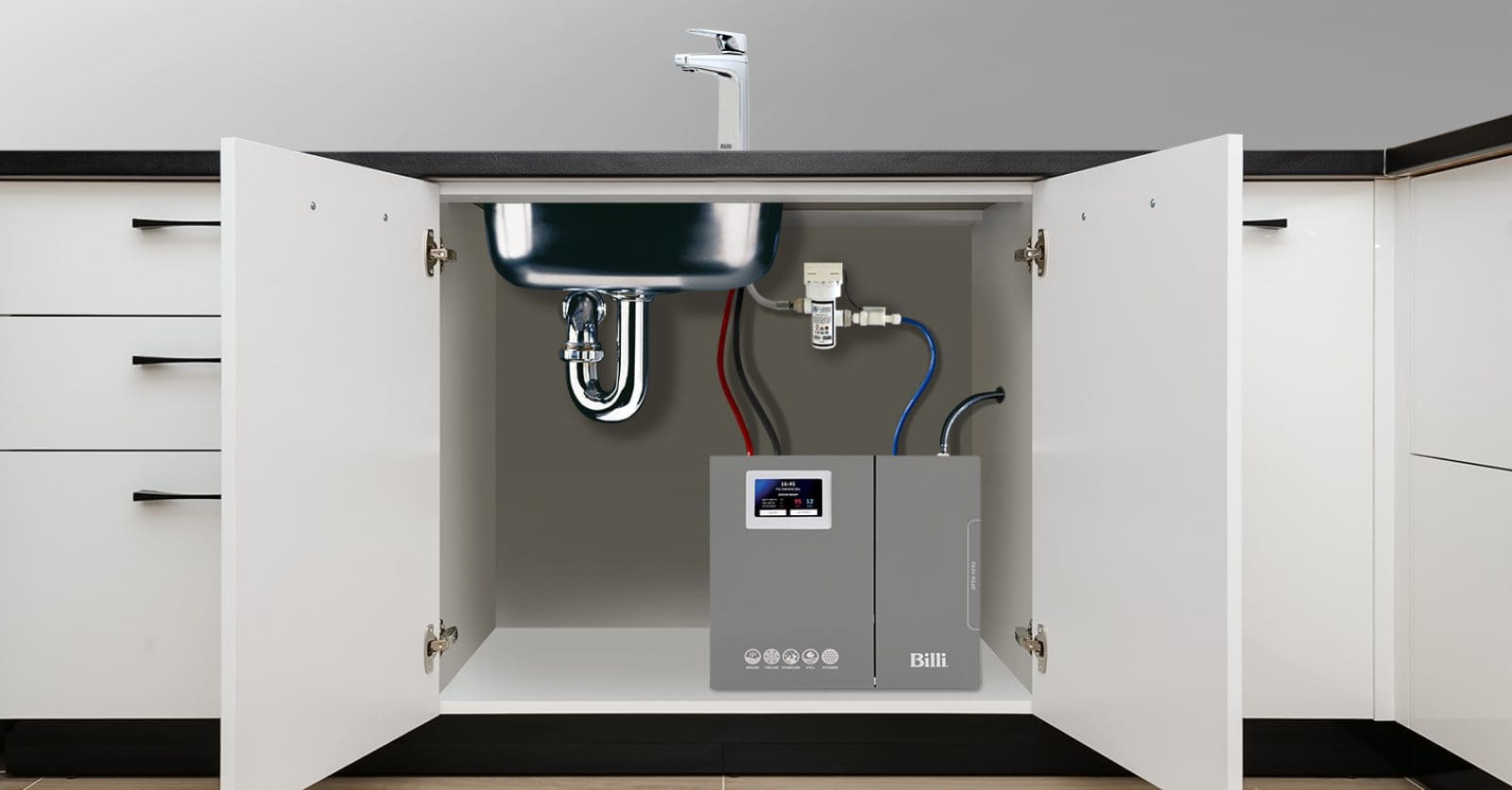
So, you’ve finally realized that drinking straight from the tap is basically a game of “Will It Kill Me?” The ice cubes clink, but so does the secret sediment party happening in your pipes. You tell yourself bottled water is fine, but then you remember it’s a massive scam run by fancy labels and guilt.
Enter the hero you didn’t know you needed: the under-sink hot and cold water filter system. It’s like a tiny, thirsty wizard who lives in your cabinet and fights crime (and chlorine) all day. This isn’t your grandma’s sad pitcher filter—this is a serious appliance that turns your sink into a five-star hydration station.
The "Horrible" Reality of Tap Water (A Mild Panic Attack)
Let’s be honest: tap water is a wild card. One day it’s crisp, the next it tastes like a swimming pool had a fistfight with a rusty tractor. According to the EPA, over 286 contaminants can legally lurk in your tap water. That’s not a typo—286. Some are harmless, but others are just… yikes.
Must Read
You know that metallic tang? That’s iron and copper doing a tango on your tongue. And the smell? That’s chlorine, which is basically bleach’s ugly cousin. Your water isn’t dirty; it’s just dramatic. The under-sink filter says, “Sit down, drama queen—I’ve got this.”
It’s a shameful secret, but I once boiled water to make it “safe,” then realized I was just making hot dirt soup. Never again.
How This Under-Sink Wizard Actually Works
Imagine a tiny, hardworking robot that sits under your sink and only asks for a soda now and then. That’s basically it. The system has two separate taps: one for icy cold filtered water, and one for scalding hot water (instant ramen, anyone?). The cold side runs through a micron filter that catches the stuff your eyes can’t see—like lead, cysts, and the ghost of that old pizza you dropped down the drain.
The hot side is where things get absurdly convenient. It uses a 2.5-liter tank heated to 200°F, which is hotter than the core of a jealous ex. Push the handle, and you get near-boiling water in seconds. No kettle, no whistling, no waiting for water to boil while you contemplate your life choices.
Surprising fact: the hot water dispenser actually saves energy. A kettle uses about 1500 watts to boil a liter, but this system uses 500 watts to keep that tank hot all day. Your electric bill might drop a cent, but your soul will feel richer.
The "Late Night Ramen" Effect (And Other Miracles)
I bought mine for the cold, filtered water. I stayed for the instant hot water. It’s 1 AM, you’re wearing pajamas that have seen better days, and you want noodles. No more waiting four minutes for a kettle—just BLAM, hot water is coming out of your sink like a baby volcano. You’ll make tea, oatmeal, and even boil eggs in a mug. It’s dangerous efficiency.
But the cold side is the real MVP. It removes the taste of “city pipe” and replaces it with “mountain spring that never touched a lead pipe.” Your iced coffee will taste less like regret and more like paradise. Your house guests will compliment you, and you’ll just smirk. “Yeah, I have a system. It’s under the sink. Don’t touch it.”
Fun fact: the filters usually last 6 to 12 months, depending on how much you drink. If you’re like me—an actual human camel—replace it every 8. You’ll know it’s time when the water starts tasting like “meh” instead of “ahhh.”
 What is a Water Filtration System? A Comprehensive Guide - Globaluf
Installation: Easier Than Assembling IKEA Furniture (But Not By Much)
I installed mine in 45 minutes, which is a personal record. I also broke two drill bits and yelled at a pipe fitting for ten minutes. Your mileage may vary. Most systems come with a “push-fit” connector that makes you feel like a plumber God. You cut a hole in your counter (scary), drop in the faucet, and connect three tubes. It’s simpler than it sounds.
Just buy a cheap step drill bit—trust me. Don’t use a hammer and a dream. Also, make sure you have space under your sink. If it’s currently a graveyard for old sponges and a bottle of Windex, you’ll need to Marie Kondo that mess first.
You don’t need to be a handyman. If you’ve successfully reset a router, you can do this. The instructions are actually readable, which is a modern miracle.
The "Wow" Factor (And One Annoying Downside)
Your friends will think you’ve upgraded your entire kitchen. They’ll ask, “Is that a bidet?” No, Linda, it’s a hydration station. The hot water handle is a party trick: pour a cup of tea and watch them gasp. One visitor nearly burned her hand because she expected lukewarm water. Nope. That stuff is hot enough to melt your lip gloss.
The only downside? The hot tank takes up space. It’s a silver cylinder about the size of a football, so your cabinet will be a bit tighter. Also, if the power goes out, you lose the hot water function. But the cold filter still works, so you’re not totally defeated.
Oh, and the initial cost. A decent system runs $200 to $400. That sounds steep until you realize you spend $300 a year on bottled water alone. Plus, you save the planet from literal mountains of plastic. You, hero.
Final Verdict: Should You Buy One?
Yes. Unless you hate convenience, clean taste, and looking like a domestic god. The under-sink system is the upgrade your kitchen has been begging for. It makes water taste like a luxury vacation. It makes tea in three seconds. It’s the best friend your sink has ever had.
Surprising fact: some systems now come with a UV light that kills 99.99% of bacteria. That’s not a filter—that’s a tiny death star for germs. You are now officially the cleanest person in your neighborhood. Congrats.
So go buy one, install it, then invite me over. I’ll bring the ramen. You bring the near-boiling spigot of joy.
