What Causes Coliform Bacteria In Well Water

So, you’re staring at a water test report that says “coliform bacteria present,” and suddenly your morning coffee feels like a science experiment. It’s a moment that makes you...

So, you’re staring at a water test report that says “coliform bacteria present,” and suddenly your morning coffee feels like a science experiment. It’s a moment that makes you question every glass of tap water you’ve ever chugged. But before you panic and start boiling your toothbrush, let’s get real about what’s going on underground.
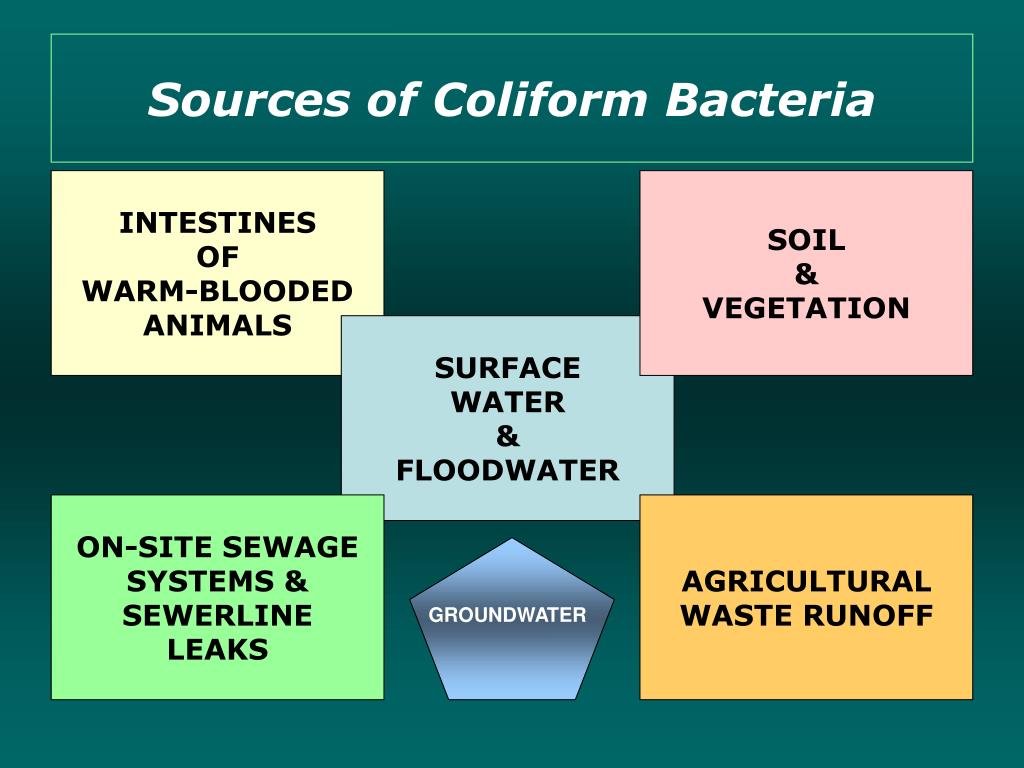
Coliform bacteria are basically the gossipy neighbors of the microbe world. They live in soil, on plants, and in the guts of warm-blooded animals. Finding them in your well water is like seeing a single mouse in your kitchen—it doesn’t mean the house is infested, but it’s a huge red flag that something’s off.
Your Well Has a Secret Door
The number one culprit for coliform in well water is a broken or unsealed well cap. Think of your well cap as a rain hat. If it’s cracked, loose, or missing, rainwater and runoff can waltz right in.
Must Read
That puddle from last week’s storm? It might have carried a parade of little hitchhikers straight into your drinking water. It’s the equivalent of leaving your front door open during a mudslide and wondering why the living room looks like a swamp.
The “Oops, I Dropped the Bucket” Problem
Sometimes, the bacteria come from surface water seeping down the sides of the well casing. Imagine a straw in a cup of juice. If the straw has a tiny crack, juice leaks in—except here, the “juice” is dirty water from your lawn.
This usually happens when the ground around your well isn’t sloped away properly. It’s like your well lives in a shallow bowl, and every rainstorm turns it into a microbial hot tub. Not the relaxing kind.
Your Own Backyard Might Be the Villain
Let’s talk about the elephant in the yard: animal poop. If you have a septic system that’s too close to your well, or if your neighbor’s cows use your property as a bathroom, coliform can travel through the soil.
Yes, soil naturally filters a lot of gross stuff, but it’s not magic. Heavy rain can push contaminants faster than the ground can clean them. It’s like trying to filter muddy water through a paper towel—eventually, the towel just gives up.
The “I Dug a New Flower Bed” Mistake
Another sneaky source? Recent construction or digging near your well. Disturbing the soil can break underground seals or create new pathways for bacteria.
You might have just planted a lovely rose bush, but the shovel could have cracked your well casing. It’s the plumbing version of accidentally punching a hole in a balloon while trying to tie a ribbon on it. Oops.
What About The Water Itself?
Here’s a funny thing: your well water might not have been contaminated at all—your sampling method might be the problem. If you didn’t disinfect the spigot or you let the hose dangle in the dirt, that bacteria count is on you, not the well.
 PPT - Testing New Wells for Coliform Bacteria PowerPoint Presentation
It’s like blaming your kitchen for a bad meal when you dropped the steak on the floor. The water might be perfectly safe; you just gave the test a dirty spoon to eat with.
Wait, Is This Dangerous?
Here’s the deal: Total coliform itself usually won’t make you sick. It’s a warning light, not a health crisis. Think of it like a check engine light in your car—you can drive to the mechanic, but you shouldn’t ignore it for a road trip.
The real worry is E. coli, which is a type of coliform that comes from human or animal waste. If the test finds that, you’ve got a problem that needs immediate attention. It’s the difference between a warning light and smoke pouring out of the hood.
How to Make It Stop (Without Selling a Kidney)
First, don’t reach for the bleach jug just yet. Shocking your well with chlorine can kill the bacteria, but it’s a temporary fix—like spraying air freshener instead of taking out the trash.
You need to fix the source. Call a well driller to check your cap, casing, and seals. Often, they can spot the issue in ten minutes. You might just need a new $50 rubber gasket. Suddenly, that panic feels a bit silly, right?
The “I Probably Just Need A New Cap” Feeling
Nine times out of ten, the fix is simpler than you think. Homeowners often imagine a massive underground lake of filth, but the reality is usually a crack the size of a hair.
So, take a breath. That coliform report isn’t a death sentence—it’s a nudge. A friendly reminder that your well is a living thing, connected to the soil, the rain, and the occasional wandering raccoon.
Just fix the cap, test again, and enjoy your glass of water without imagining a microscopic rave happening inside it. You’ve got this.
