Commercial Water Treatment System Servicing

So, picture this: I’m standing in the break room of a busy café, staring at a coffee machine that’s spitting out brown water. Not coffee—brown water. The barista, looking like...

So, picture this: I’m standing in the break room of a busy café, staring at a coffee machine that’s spitting out brown water. Not coffee—brown water. The barista, looking like she just lost her best friend, says, “We had the water filter serviced last year.” I almost choked on my not-coffee. Last year. In commercial water treatment, that’s like saying you changed your oil in 2019 and expect your car to purr today.
That’s laughable, right? But it’s also the single most common mistake I see in businesses: assuming water treatment systems are “set it and forget it.” They are not. They are more like a neglected houseplant—they’ll survive a few weeks, then slowly die while your equipment screams for help. And that scream? It usually comes as a $3,000 repair bill for a boilers or a reverse osmosis membrane that looks like a used tea bag.
What Actually Happens in a System (Without You Seeing It)
Let’s get geeky for a second, but not too geeky. Inside your water treatment system—whether it’s a softener, a filter, or an RO unit—minerals, bacteria, and scale are throwing a non-stop party. They build up on surfaces, clog pipes, and reduce efficiency by up to 30% before you notice your water tastes “funny.”
Must Read
And here’s the kicker: you won’t see any of this. Water looks clear. Tastes fine. But inside, your system is slowly suffocating. Think of it like bad tofu—you can’t smell it until it’s too late. That’s why regular servicing isn’t a luxury; it’s a preventive health plan for your equipment.
The “But We Just Installed It” Lie
I hear this all the time: “But we just installed the system six months ago!” Great. That’s like saying you just bought a car and never need to check the oil. Sediment doesn’t care when you installed it. It settles the moment water flows. In commercial settings—restaurants, laundromats, manufacturing plants—that buildup happens fast. A softener resin bed can get fouled in three months if you’re treating hard well water.
So, yes, new systems need love, too. Service isn’t a reaction; it’s a rhythm. Imagine if you only brushed your teeth when they started hurting. That’s the commercial water treatment version of “we’ll call you when there’s a problem.” Spoiler: that phone call always comes on a Friday at 4:59 PM.
The Real Cost of Skipping Service
Let’s talk dollars, because that’s what keeps owners up at night. A typical commercial water softener costs around $2,000 to $8,000. A professional service visit? Maybe $200 to $500, twice a year. Skipping service doesn’t save money; it just delays the pain. When the brine tank fills with sludge, or the membrane tears, you’re looking at replacement costs that dwarf the service fee.
Then there’s the hidden cost: downtime. A café without good water? That’s not just bad coffee—it’s lost customers, bad reviews, and the kind of stress that makes you consider selling the business and moving to a cabin in the woods. Totally rational, but avoidable.
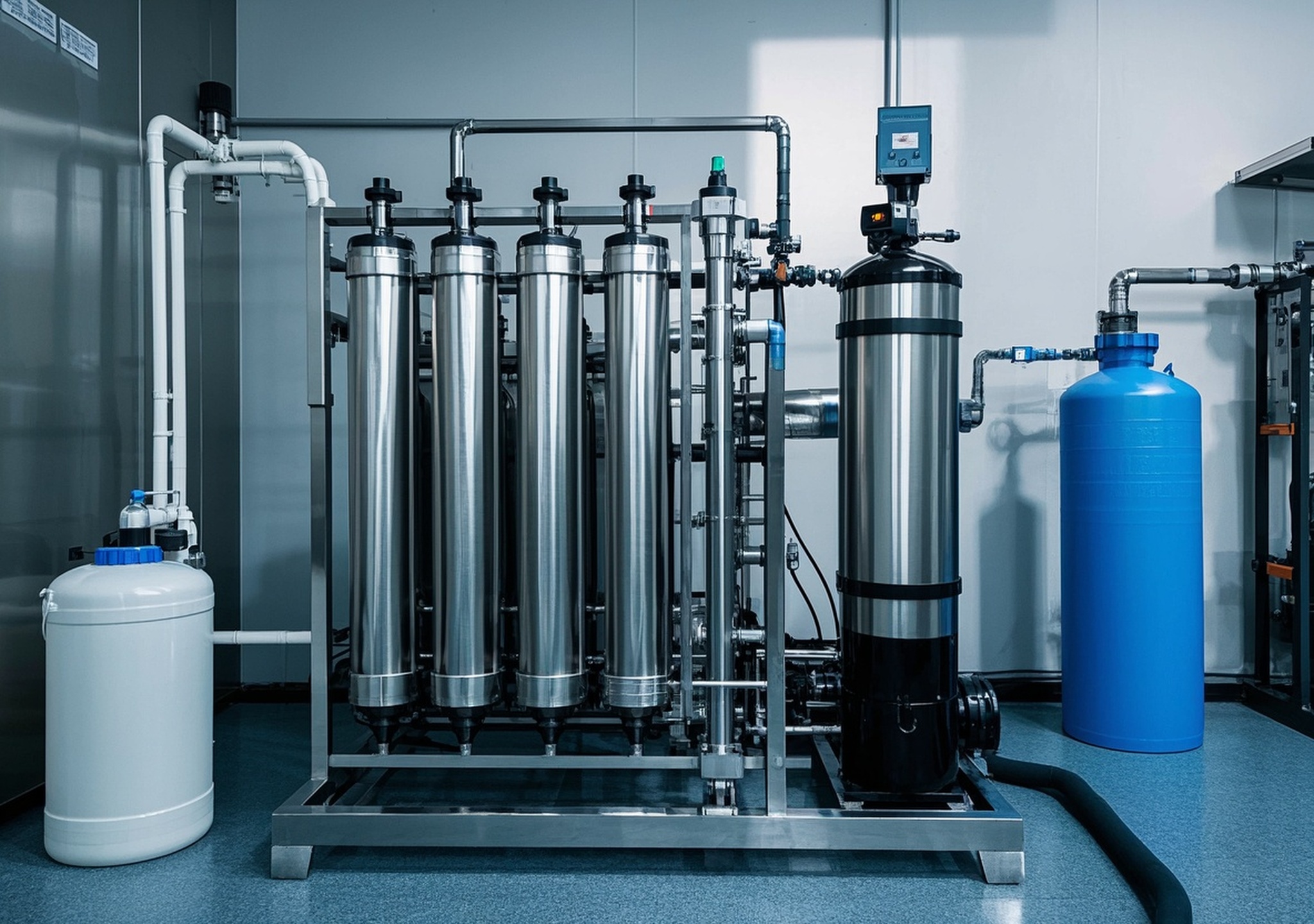 Mastering Water Quality: Ultrafiltration Water Treatment Systems in
What a Good Service Visit Actually Looks Like
You think it’s just swapping a filter? Nope. A proper technician will test your inlet and outlet water quality (yes, with a meter, not a taste test). They’ll check for iron, chlorine, hardness, and pH. They’ll inspect the resin bed for channeling, clean brine floats, and reset timer clocks that somehow get set to “permanent vacation.”
Also, they’ll ask about your water usage. Fun fact: your system might be programmed for a café that used 500 gallons a day, but now you’re up to 1,200 because you added a second espresso machine. The settings are wrong. And guess what? That’s a ten-minute fix that saves you from scaling your new $12,000 machine. Nice, huh?
Irony Alert: The Worst Clients Are the Smartest Ones
I once serviced a lab that tested water for a living. Incredible scientists. Their own water treatment system? Completely neglected—resin was brick-hard, like a ceramic block. They knew water chemistry backwards, but they forgot empathy for their own pipes. It happens. We get busy, we assume the machine is smarter than it is. But machines are just dumb buckets of plastic and metal that need a human to show up and say, “Hey, clean your stuff.”
How to Not Be That Person
Step one: schedule service like you schedule a dentist appointment for your business—bi-annually, without fail. If your system has a log book, use it. If not, put a sticky note on the machine that says “SERVICE ME OR CRY LATER.” Step two: actually hire a pro who specializes in commercial systems, not the guy who also fixes refrigerators. They’re not the same. Commercial water treatment is a different beast—higher flow rates, chemical dosages, and consequences that escalate fast.
And step three: don’t ignore the warning signs. Low pressure, funny taste, scale on your kettle, or equipment that cycles more often? That’s your system whispering, “Help me.” If you wait until it’s screaming, you’ll be looking at that same brown water I saw in the café. And trust me, no barista wants to hand that to a customer.
The Final Sip
Servicing your commercial water treatment system isn’t glamorous. It’s not a shiny new espresso machine or a remodeled kitchen. But it’s the quiet guardian of your operation. It keeps your ice clear, your boiler happy, your dishes spotless, and your coffee drinkable. Skip it, and you’re gambling with all of that. So call your technician. Schedule a visit. And please, for the love of good water, don’t wait until it’s brown.
