What Kind Of Water To Use With Baby Formula

So, you’re staring at a can of baby formula, a bottle, and a faucet, and suddenly you’re questioning your entire existence. What kind of water do you actually use here? It’s a...
:max_bytes(150000):strip_icc()/what-water-to-use-for-formula-284337_nologo-f7d42a0346ca4badb0cae16e078d6c70.png)
So, you’re staring at a can of baby formula, a bottle, and a faucet, and suddenly you’re questioning your entire existence. What kind of water do you actually use here? It’s a totally valid panic, and honestly, it’s cooler than you think.
Let’s start with the obvious: tap water. In most of the developed world, this is perfectly safe and often the most convenient choice. It’s basically the reliable minivan of water options—gets the job done without any fuss.
But Wait—Is Tap Water Actually Safe?
Here’s the twist: tap water can contain fluoride, which is great for teeth but tricky for babies under six months. Too much fluoride can cause a harmless but unsightly condition called fluorosis on their little baby teeth.
Must Read
Also, lead from old pipes? Yeah, that’s a villain we all want to avoid. If you’re on a public system, you can usually check your local water quality report online—it’s kind of like reading a thriller, but for plumbing.
Still, many pediatricians say tap water is fine if you boil it first and let it cool. Boiling kills the bad stuff, and it’s like giving your water a spa day before the baby drinks it.
The Cool Factor of Filtered Water
Enter the pitcher filter or a faucet-mounted system. This is like upgrading from a cassette tape to a Spotify playlist—smooth, clean, and customizable. Filters remove chlorine, lead, and that weird taste without nuking the good minerals.
But here’s the catch: not all filters remove fluoride. If you want to avoid fluoride, you need a filter specifically labeled for that, like a reverse osmosis system. That’s the fancy espresso machine of water filters—expensive, but perfect for purists.
Filtered water is chill because it’s ready to go straight from the tap. No boiling, no waiting, just pour and mix. It’s like having a peace treaty with your kitchen!
Bottled Water: The Mystery Guest
Okay, bottled water seems easy, right? Just grab a gallon at the store. But here’s the sneaky secret: not all bottled water is created equal. Some are just repackaged tap water, and others have added minerals you don’t want for a tiny tummy.
Look for bottles that say “low fluoride” or “purified,” and avoid sparkling or mineral water—those bubbles and salts are for fancy adult drinks, not baby bottles. It’s like wearing a tuxedo to a picnic: unnecessary and a little awkward.
Also, store-brand distilled water is often the safest bet. Distilled means it’s boiled into steam and condensed, leaving behind impurities. It’s the air fryer of water—simple, effective, and trendily pure.
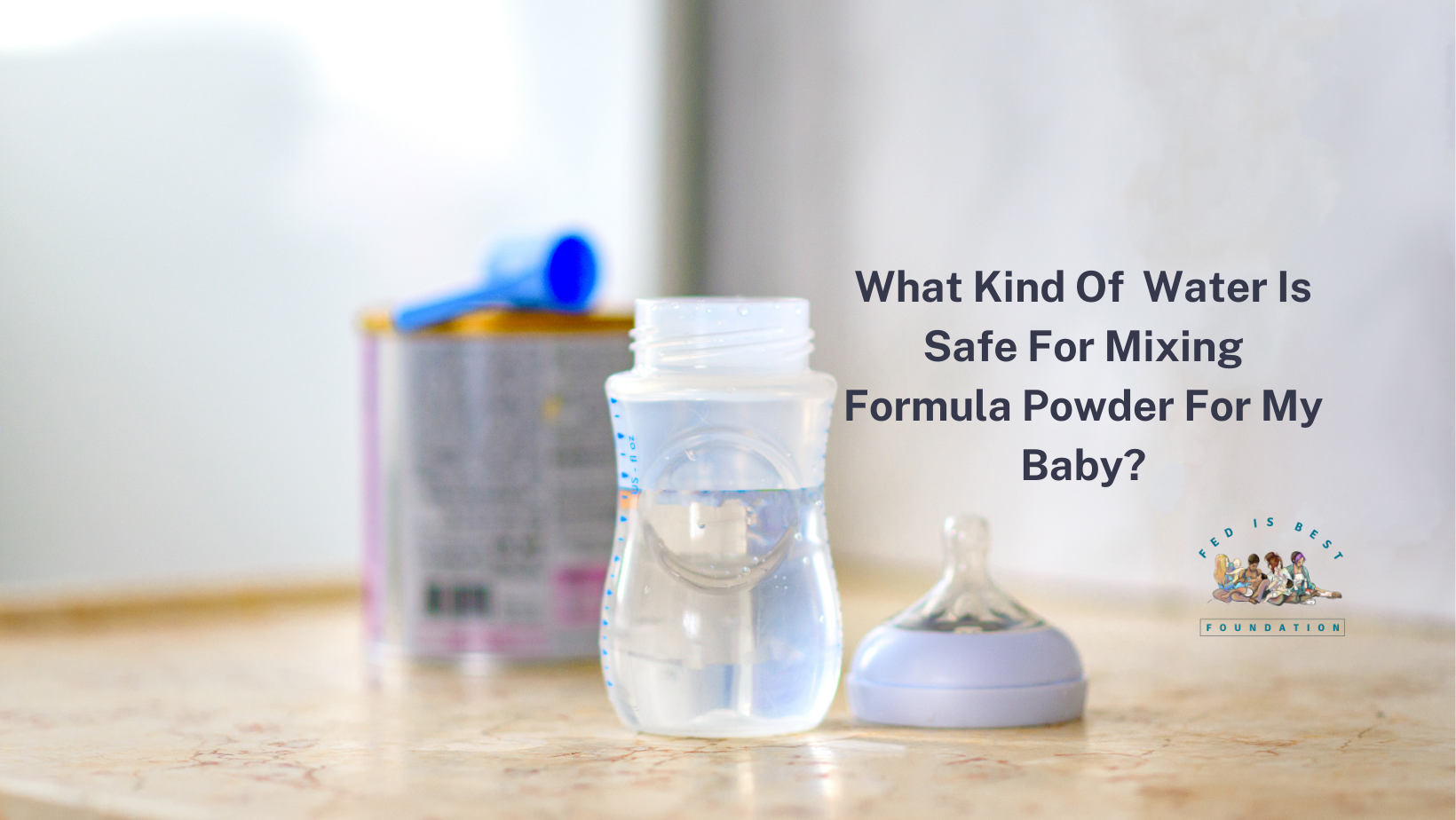 Water For Baby Powder Formula at Barbara Fowler blog
Why Boiling Still Rocks
Let’s be real: boiling water for formula used to be the gold standard, and it still makes sense for preemies or babies under three months. Boil for one minute, then cool to room temperature—it’s like a hi-tech incubator for your water.
The fun part? You can boil a batch and store it in a clean pitcher for up to 24 hours. That’s meal prep, baby-style. You’ll feel like a master chef, except your ingredient is just water.
But here’s the thing: once the water is boiled and cooled, don’t boil it again because it can concentrate minerals. One and done, like a one-hit wonder.
The Formula Mixing Dance
No matter what water you choose, the real magic is in the mix. Always add the powder to the water before shaking, or you’ll get clumps that taste lumpy and weird. It’s like making a smoothie—liquid first, then the stuff.
And here’s a mind-bender: you don’t need to boil water if you’re using ready-to-feed liquid formula. That stuff is already sterile, like a superhero in a carton. Just open, pour, and you’re a miracle worker.
But for most of us scooping powder, the water temperature is key. Use water that’s cool enough to touch your wrist (around 70°F or 20°C) because hot water can mess with the nutrients. Think of it as the Goldilocks zone of formula prep.
Final Pour: Trust Your Gut
Honestly, the best water for baby formula is the one that makes you feel confident. Tap, filtered, or bottled—they all work if you’re smart about it. The baby doesn’t care; they just want the milk.
So go ahead, test a sip of your tap water. If it tastes like a swimming pool or a rusty pipe, maybe filter it. If it’s crisp and clean, you’re golden. Your baby is basically a tiny water sommelier, but they’ll forgive you for not using Fiji.
Remember: it’s just water. The love you put into the bottle is what really matters. And maybe a little less panic, a little more pouring.
:max_bytes(150000):strip_icc()/what-water-to-use-for-formula-284337_nologo-f7d42a0346ca4badb0cae16e078d6c70.png&description=What+Kind+Of+Water+To+Use+With+Baby+Formula)