Is Fabric Softener And Conditioner The Same

Okay, let’s settle this over coffee, shall we? You’re standing in the laundry aisle, staring at a bottle of fabric softener and a bottle of conditioner. You squint. You sigh....
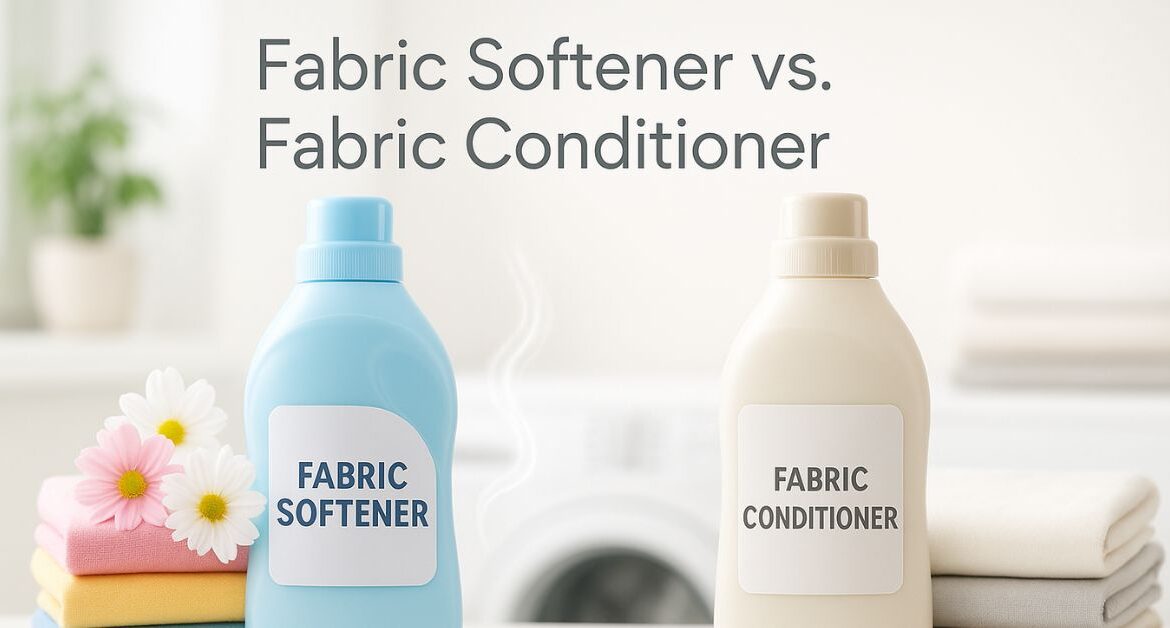
Okay, let’s settle this over coffee, shall we? You’re standing in the laundry aisle, staring at a bottle of fabric softener and a bottle of conditioner. You squint. You sigh. Are they the same thing?
The short answer is nope, not even a little bit. But the long answer is way more fun, so grab your mug.
The Big, Scented Confusion
I get why people mix them up. Both make your clothes smell like a meadow on a good day. Both promise softness.
Must Read
But here’s the kicker: fabric softener is basically a coating. It’s like putting a wax jacket on your cotton tee. Conditioner is a different beast entirely.
Let’s break it down without the chemical jargon. Your laundry detergent already lifted the dirt. Now what?
Fabric Softener: The Heavy-Handed Hug
Fabric softener is a lubricant. It’s made with quaternary ammonium compounds (say that three times fast). These compounds cling to your fabric fibers.
Think of it like a butter bath for your clothes. The goal? Reduce static cling and make that towel feel like a cloud. But there’s a catch.
That waxy coating actually builds up over time. Your towels lose their absorbency. Your workout gear stops wicking sweat. Whoops.
Rhetorical question: Do you really want oily, non-absorbent towels? I didn’t think so.
Fabric Conditioner: The Gentle Rejuvenator
Now, conditioner is a different story. It’s often used for specific fabrics like wool or delicates. It restores the natural softness without the heavy film.
How? It works with the fiber’s structure. Think of it like hair conditioner—it smooths the cuticle, but it doesn’t drown it in a waxy goop. You get softness without the residue.
Some conditioners are also pH balanced to protect silk or cashmere. That’s a whole level of care fabric softener just can’t reach.
The Sneaky Differences No One Talks About
Here’s where it gets really fun. Fabric softener can damage your washing machine over time. Yep, that waxy coating clogs the drum and the dispenser.
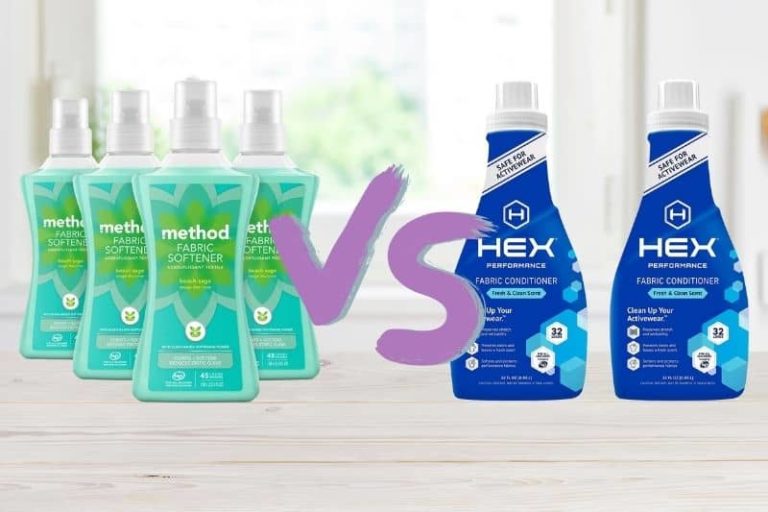 Fabric Softener vs. Conditioner - Are They the Same Thing?
Conditioner? Usually gentler. But check the label—some conditioners are just rebranded softener. Sneaky, sneaky.
Also, price tag. Fabric softener is often cheaper per bottle. But you use more of it because it’s diluted. Conditioner is usually concentrated, so a little goes a long way.
Your grandmother might swear by fabric softener. But she also wore polyester leisure suits. Does that count as a solid recommendation?
When to Use Each (And When to Run Away)
Use fabric softener for: jeans that feel stiff, cotton sheets you want to be a little fluffier, and any clothes where static is your nemesis. But never use it on towels, microfiber cloths, or activewear. Seriously, don’t.
Use conditioner for: wool sweaters, silk blouses, and anything labeled “hand wash only” that you’re machine washing anyway (we’ve all done it). It’s also great for reducing pilling on knits.
Avoid both on stain-resistant clothing. The coating from softener or conditioner can ruin that water-repellent finish. RIP to your raincoat’s performance.
The Verdict (Served Warm)
So, are fabric softener and conditioner the same? Nah. Think of it like mayo vs. aioli—one is a heavy emulsion, the other is a delicate seasoning. Both creamy, different jobs.
Your best bet? Read the bottle like a detective. Look for words like “lightweight” or “rinse-free” for true conditioners. Avoid anything with “softener” if you want minimal buildup.
Or just skip both entirely. White vinegar in the rinse cycle works wonders and is way cheaper. But that’s a coffee date for another day.
Now go forth and launder. Your clothes will thank you—and so will your washing machine.
