Can Drinking Too Much Water Cause Headaches

Let’s be honest—we’ve all heard the mantra: Drink more water! It’s the go-to advice for everything from tired skin to a sluggish brain. But what if I told you that guzzling do...
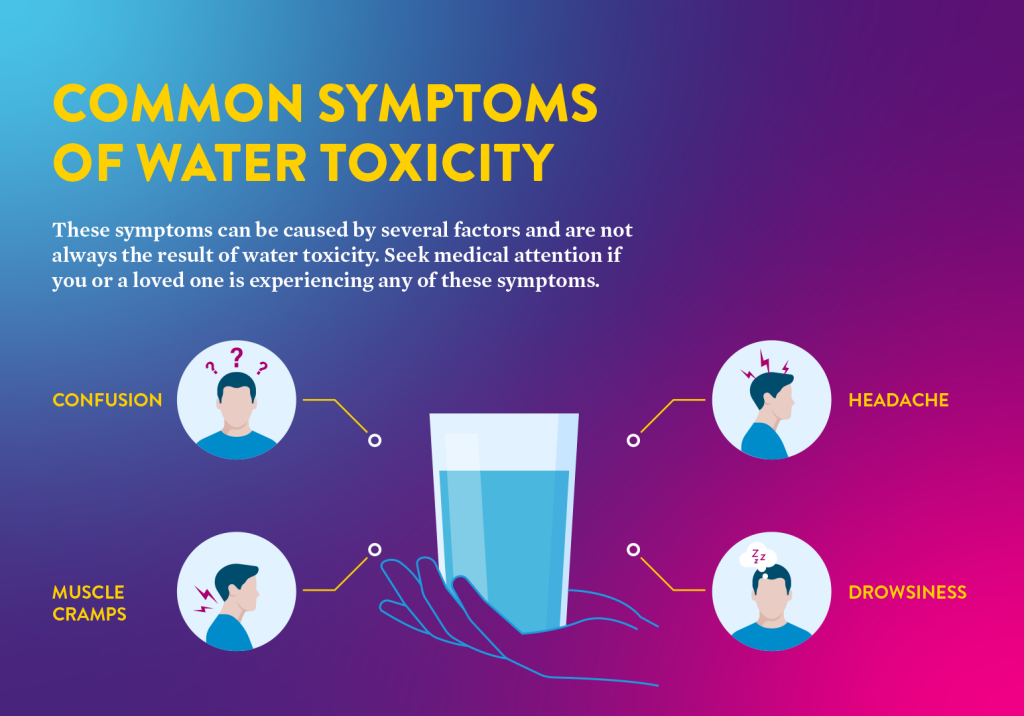
Let’s be honest—we’ve all heard the mantra: Drink more water! It’s the go-to advice for everything from tired skin to a sluggish brain. But what if I told you that guzzling down gallon after gallon might actually give you a pounding headache? It sounds like a cruel joke, right?
I once had a friend, let’s call her Sarah, who decided to “hack” her health. She carried a massive, one-gallon jug everywhere—to the gym, to brunch, even to bed. She was convinced that more water meant more energy. Then one Tuesday, she called me, nearly in tears: “I drank three liters before lunch, and now my head feels like it’s in a vice.” Sarah had stumbled into the weird world of overhydration headaches.
Here’s the simple science, without the jargon. Your body loves balance—specifically, a balance of water and salt (sodium). When you drink too much water too fast, you actually dilute the sodium in your blood. This condition is called hyponatremia, and your brain cells begin to swell as they try to correct the imbalance.
Must Read
Imagine your brain like a sponge. A slightly damp sponge sits happily in a bowl. But if you flood that bowl with pure water? The sponge starts swelling, pushing against the walls. That pressure is what triggers that dull, aching headache nobody warned you about.
How to Spot a Waterlogged Headache
It’s not like a normal “I’m dehydrated” headache. A dehydration headache usually feels sharp and comes with a dry mouth. An overhydration headache feels more like a heavy, throbbing pressure behind your eyes or at the base of your skull. You might also feel bloated, nauseous, or just… sloshy.
Think of it like this: your body is a Goldilocks. Not too little, not too much—just right. When you force down water past the point of comfort, your body taps the brakes. Your kidneys can only process about one liter per hour. Beyond that, you’re just storing water in places that don’t want it.
Remember that time you tried to water a houseplant that was already soaking wet? The roots rotted. Your brain cells are a bit like those roots. They don’t appreciate being waterlogged either.
When Do People Usually Overdo It?
Ironically, it often happens during good intentions. You know the scene: you start a new diet, or you attend a sweaty spin class, and you chug a huge bottle of water immediately. Then you feel proud—and then you feel a headache creeping in.
Another classic culprit: drinking contests or games. I once saw a guy at a backyard BBQ try to chug a gallon of water in ten minutes for a bet. He won the bet, but spent the rest of the afternoon with a screaming headache and a trip to the bathroom. Not the flex he thought it was.
Even marathon runners get caught. They sweat out a ton of salt, then replace it with only plain water. That’s a recipe for a sodium crash and a nasty post-race headache. For active folks, the fix is simple: use an electrolyte drink sometimes, not just plain H2O.
 Is There Such A Thing As Too Much Water Intake at Tammy Pough blog
So, How Much Should You Actually Drink?
Forget the “eight glasses a day” rule—that’s a guideline, not a law. The best advice is to listen to your thirst. Your body is a brilliant machine. If you feel thirsty, drink. If you don’t, don’t force it. And if your pee looks like pale lemonade, you’re already hydrated.
A funny trick I use: I keep a water bottle on my desk, but I sip it, not chug it. Sipping gives your kidneys time to process. Chugging is as stressful for your body as eating an entire birthday cake in five minutes—it’s just not how we were designed to handle inputs.
If you’re exercising or it’s super hot, yes, drink more. But do it gradually. And if you start feeling that weird pressure in your head while drinking water, stop. Your body is giving you a polite warning, not an invitation to push through.
What to Do If You Already Have a Water-Induced Headache
First, don’t panic. Put the water bottle down. Second, eat something salty. A few pretzels, a handful of salted nuts, or even a small bowl of broth can help restore that sodium balance. Your brain will thank you in about twenty minutes.
And no, you don’t need to buy fancy electrolyte powders (though they can help). Sometimes a simple glass of water with a pinch of salt and a squeeze of lemon does the trick. It sounds weird, but it works like magic.
Lastly, lie down with your head elevated. The pressure will ease as your body rebalances. Sarah, my friend, now drinks from a normal cup—and only when she’s actually thirsty. She hasn’t had a headache in months.
So next time you see someone carrying a massive jug of water, give them a friendly wink. Let them know that more isn’t always better. Your brain is a delicate, wonderful thing—don’t drown it in good intentions. Stay hydrated, sure. But also: stay smart.
Here’s to happy heads and happy sips. Just enough, not too much.
