Can You Use Fabric Softener To Wash Clothes

So, you’ve wandered into the laundry aisle, bleary-eyed, clutching a bottle of fabric softener that smells like a unicorn’s dreams. The question burning in your mind is, “Can...

So, you’ve wandered into the laundry aisle, bleary-eyed, clutching a bottle of fabric softener that smells like a unicorn’s dreams. The question burning in your mind is, “Can I just use this stuff to wash my clothes?” Hold your horses, scent-sational citizen, because the answer is a lot weirder than you think.
The Short, Disappointing Answer
Technically, no, you cannot use fabric softener as a substitute for laundry detergent. It’s like trying to wash your car with a bottle of cologne—you’ll smell nice, but the grime will laugh at you. Fabric softener is a conditioner, not a cleaner. It’s designed to coat fibers with waxy, greasy chemicals, not break down dirt or grease.
Think of it this way: detergent is the tough guy who scrubs your clothes with a wire brush, while fabric softener is the spa attendant who rubs them with oil and whispers “you’re soft.” They’re not interchangeable. Use softener alone, and you’ll just have grime glazed in lavender—a fancy garbage bag.
Must Read
But What If You're Really in a Pinch?
Let’s say you’re out of detergent, it’s 3 AM, and you have a date tomorrow. You’re staring at that bottle of Downy like it’s a magic elixir. Will it trick your clothes into being clean? Sure, if by “clean” you mean “smelling like a field of flowers while harboring a secret civilization of bacteria.” Fabric softener does not remove oils from your skin or sweat. It just masks them.
And here’s a surprising fact: many washing machine manufacturers explicitly advise against overusing fabric softener because it can gum up the machine’s innards. Using it solo is like pouring maple syrup into your gas tank. Your washer will cry. Your clothes will feel oddly sticky. And you’ll smell like a wet poodle that fell into a potpourri basket.
The Science of "Nope"
Fabric softener contains quaternary ammonium compounds—fancy words for “grease that makes cotton feel buttery.” When you use it as a detergent, you’re basically applying that grease to dirty fabric. The dirt gets trapped under the waxy layer, not removed. Over time, your shirts become less breathable and more prone to yellowing.
And don’t even get me started on towels. If you ever use fabric softener on towels, you’re a monster. The coating reduces absorbency by up to 50%, turning your fluffy bath towel into a raincoat that just pushes water around. You’ll end up more wet than when you started, like a defeated seal.
A Play-By-Play of the Disaster
Let’s imagine you go ahead and fill the dispenser with fabric softener anyway. You hit “Start.” The machine sloshes. You strut away feeling like a laundry rebel. But 30 minutes later, you open the door and your clothes are damp, greasy, and smell like a candle shop exploded in a locker room. You’ll then have to rewash everything with proper detergent—plus a cup of vinegar to strip the residue. Good job, genius.
And here’s the kicker: you might think you’re saving money. But fabric softener costs about three times as much per load as regular detergent. So you’d be paying more to mess up your clothes. It’s like ordering a salad to save money, then topping it with gold leaf.
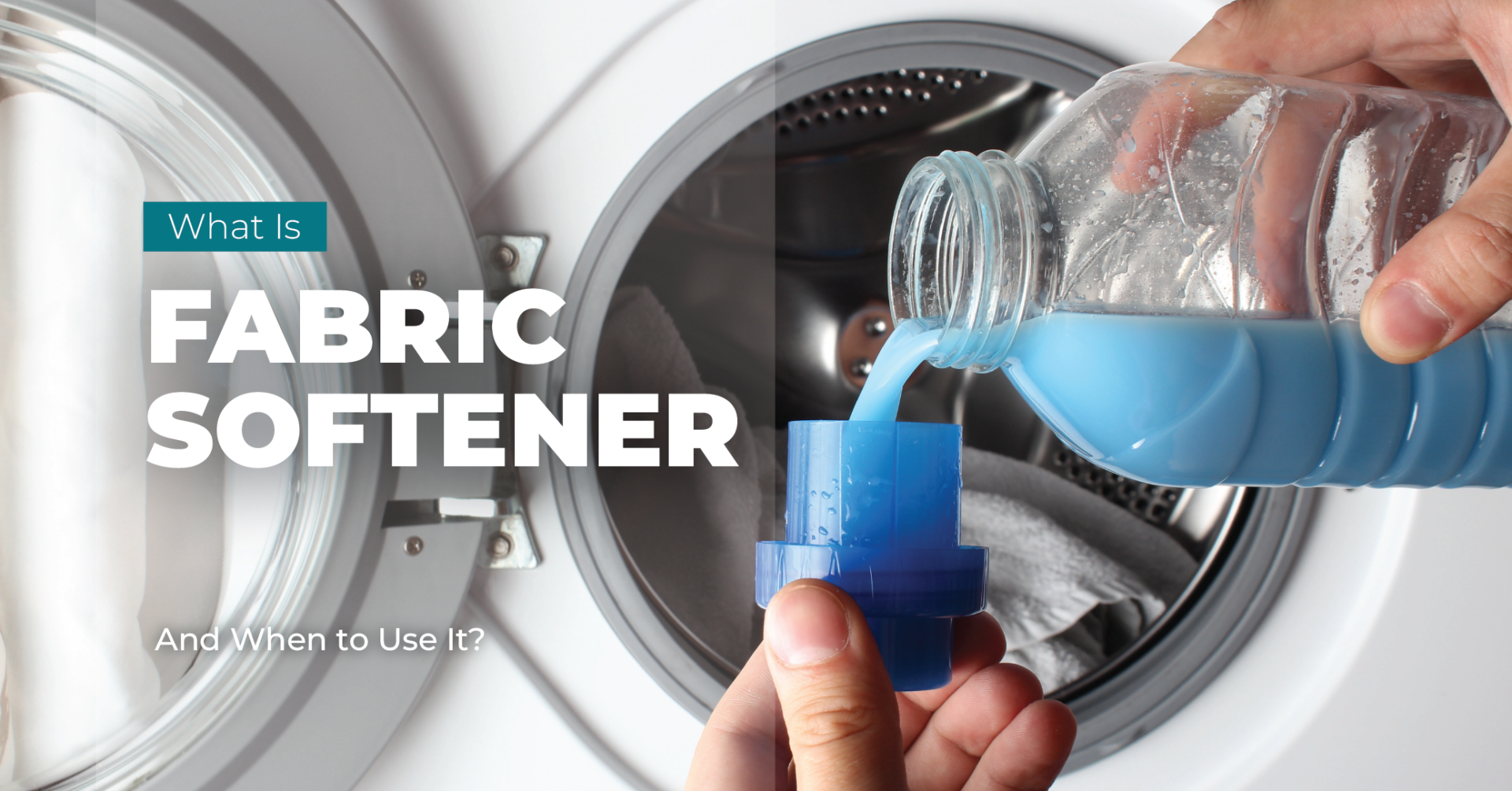 Using Water Fabric Softener Cold Power 2 In 1 With A Touch Of Fabric
What About Homemade Hacks?
Some corners of the internet will tell you to mix fabric softener with baking soda or water to make a “detergent.” Do not listen to these people. They are chaos agents. Baking soda can clean, but combined with softener’s waxy ingredients, you get a lumpy paste that clogs your machine and leaves white spots on your dark jeans. You will look like you’ve been dandruff-bombed.
On the flip side, there’s one weird trick that almost works: if you’re desperate, you can use a tiny splash of softener along with a squirt of dish soap. But the dish soap makes suds that could overflow your washer like a science fair volcano. Your floor will become a slip ‘n slide of regret.
The Only Time It’s Okay (Mostly)
So when can you use fabric softener all by itself? Never. But there’s one exception: if you’re a robot. Robots don’t sweat. They don’t have skin oils. They just need to smell “April Fresh” while plotting world domination. For humans? Stick to the proper stuff.
Instead, use softener only in the rinse cycle, alongside your regular detergent. And even then, skip it for sportswear, microfiber cloths, and anything you want to stay absorbent. That means towels, underwear, and your grandma’s prized dish rags all get the “softener-free” treatment. Sorry, Grandma.
Final Verdict: Just Say No
Fabric softener is to laundry what hair conditioner is to a greasy scalp—it makes things worse if you skip the shampoo. It’s a finishing product, not a cleaning product. You wouldn’t use lipstick to wash your face, would you? (Actually, don’t answer that. We’ve all been tired.)
So, can you use fabric softener to wash clothes? Only if you enjoy stiffness, stickiness, and the faint aroma of failure. Your clothes will look sad. Your machine will hate you. And the laundry gods will smite your next load with mysterious wrinkles. Just buy the proper detergent, pal. Your future self—and your towels—will thank you.
