Water Filtration Systems For Drinking Water

So, picture this: last summer, I’m hiking with a buddy, miles from nowhere, and we run out of water. We find this crystal-clear stream, all sparkly in the sun—looks like somet...

So, picture this: last summer, I’m hiking with a buddy, miles from nowhere, and we run out of water. We find this crystal-clear stream, all sparkly in the sun—looks like something out of a shampoo commercial. I dunk my bottle in, take a huge gulp, and let me tell you, it was delicious. Fast forward six hours, and I’m hugging a toilet, cursing every single filter I didn't bring. That’s the moment I got serious about water filtration.
Why We Even Bother
You’d think water is just water, right? It comes out of a tap, it’s clear, it’s wet—what’s the big deal? The big deal is that invisible hitchhikers—bacteria, parasites, lead, chlorine, and even microplastics—are everywhere. Even that “pristine” stream I drank from can host Giardia, a little bugger that will ruin your week in ways you can’t un-imagine. So, filtering isn’t just for survivalists; it’s for anyone who wants to avoid a surprise gastrointestinal party.
The Three Musketeers of Filtration
Not all filters are created equal, which is kinda annoying but also fascinating. Here’s the quick-and-dirty on the main types, so you don’t end up drinking what I did.
Must Read
1. Activated Carbon – The Old Reliable
This is the black, spongy stuff in your Brita pitcher or fridge dispenser. It’s fantastic at grabbing chlorine, bad tastes, and weird smells—you know, that “swimming pool” vibe from tap water. But here’s the catch: it’s mostly useless against heavy metals like lead or nasty microbes. (Sorry, that parasite from my hiking story would laugh at activated carbon.) It’s great for making your morning coffee taste better, though—just don’t trust it for backcountry streams.
2. Reverse Osmosis (RO) – The Overachiever
Think of RO as the PhD student of water filters. It forces water through a super-tiny membrane that blocks almost everything: lead, arsenic, fluoride, even some viruses. The downside? It’s slow, wastes a lot of water (like, 3 gallons wasted for every 1 filtered—ouch), and it strips out minerals that make water taste alive. You might end up with water so pure it actually tastes flat and weird. Like drinking a cloud? But if you live in a place with sketchy pipes, RO is your best friend.
3. UV Purification – The Silent Assassin
UV light doesn’t filter anything physically—it zaps microbes with radiation, smashing their DNA so they can’t reproduce. This is brilliant for camping (there are UV pens you just stir into a bottle), but it won’t remove sediment, dirt, or chemical pollutants. So, you still need a pre-filter if the water looks like mud. And it requires batteries—which always die at 2 a.m. on a trip, right?
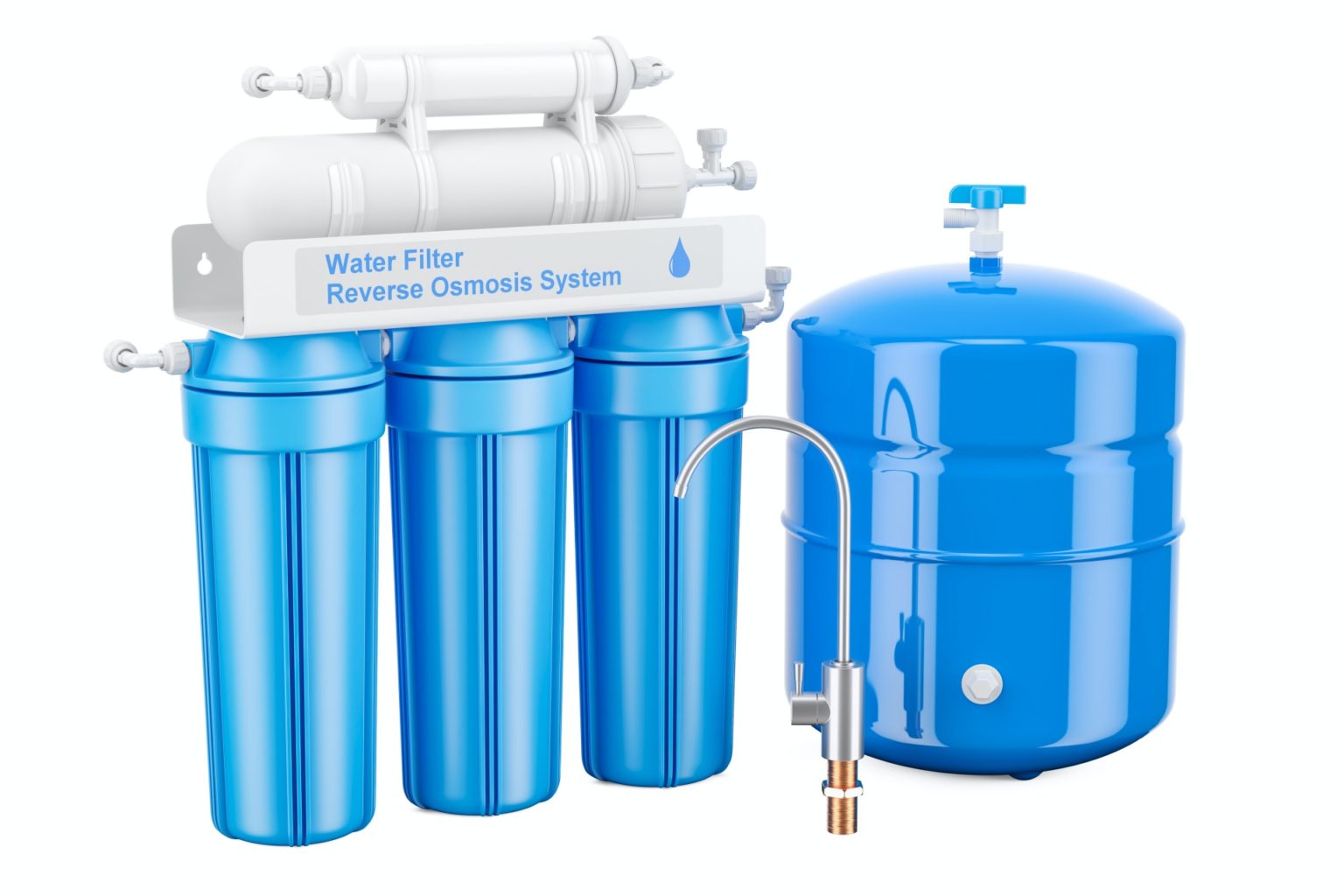 Residential Drinking Water Filter Systems | H2O Equipment
What About Your Tap Water?
Here’s where I get real with you: the filter you need depends entirely on what’s in your local water. If you’re on city water that smells like a pool, a simple carbon pitcher will do the trick. But if you’re on well water (hello, iron and sediment), you might need a whole-house sediment filter plus a RO system under the sink. Check your city’s annual water quality report—it’s public info, and it tells you exactly what’s in your glass. Yes, you can look that up while sipping your morning coffee. I dare you.
One Big Headache: Microplastics
We haven’t even talked about the fact that your plastic water bottle is slowly shedding tiny plastic bits into your drink. Most standard filters don’t catch these little bastards. Only specialized carbon blocks or RO membranes with a pore size of 1 micron or smaller will stop them. So if you’re buying a filter labeled “reduces microplastics,” check the fine print—it’s a marketing jungle out there.
The Verdict (No Judgment)
Look, I’m not saying you need to turn your kitchen into a water lab. For 90% of people, a decent carbon filter pitcher is totally fine for everyday drinking. It reduces chlorine, improves taste, and costs like $30. But if you’re pregnant, have kids, or live in an old building with lead pipes, spring for an under-sink RO system—it pays for itself compared to buying bottled water. Me? I now carry a portable UV pen and a pre-filter on hikes. Because I learned the hard way that clear water is a liar.
Cheers to not tasting the inside of a toilet again.
