Is It Unsafe To Reuse Plastic Water Bottles

We’ve all been there. You buy a single-use plastic water bottle, chug it down, and then feel a weird twinge of guilt as you stare at the empty container. Suddenly, you’re fill...
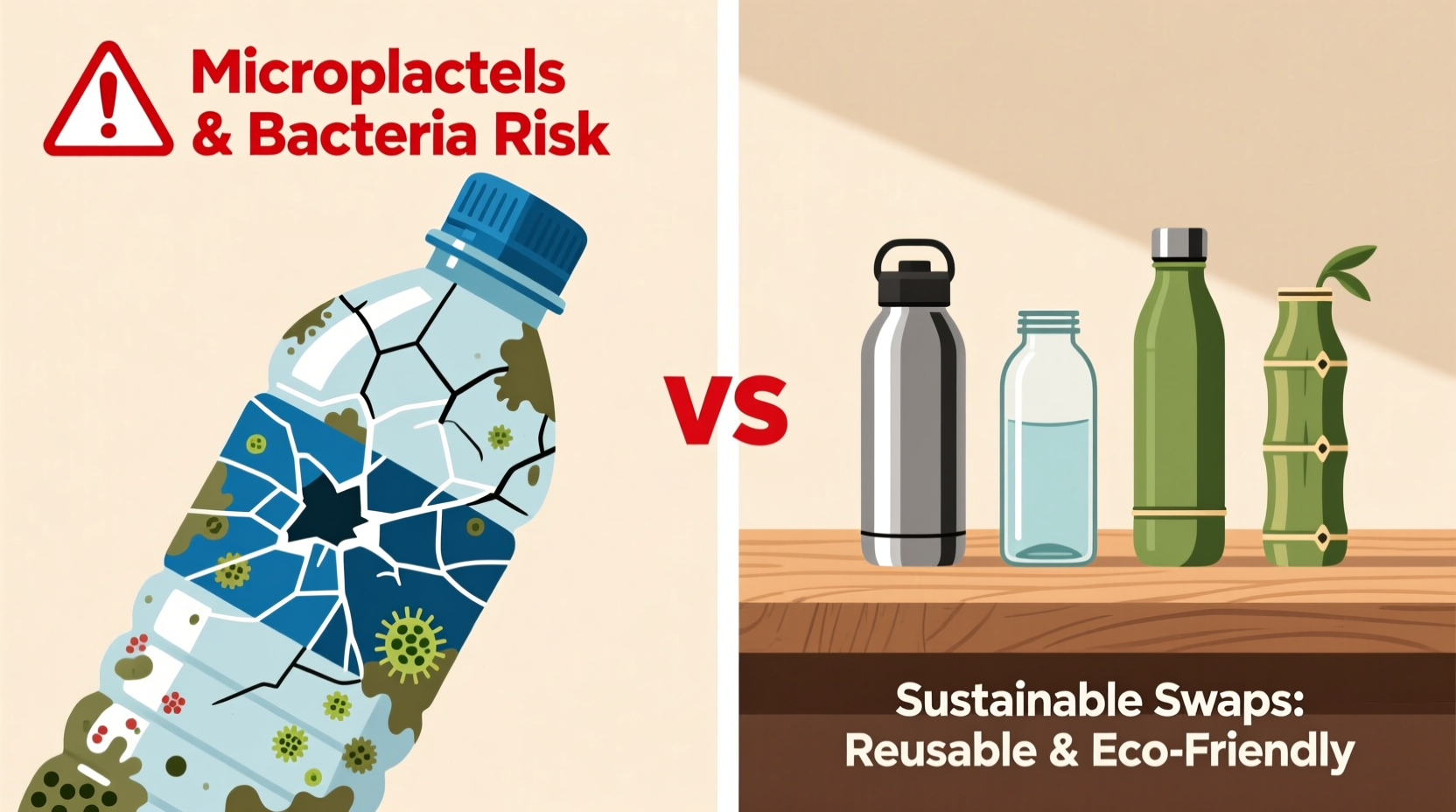
We’ve all been there. You buy a single-use plastic water bottle, chug it down, and then feel a weird twinge of guilt as you stare at the empty container. Suddenly, you’re filled with the eco-friendly spirit of a suburban warrior, and you decide to refill it. Again. And again. Until the bottle looks like it’s been through a war—dented, cloudy, and smelling faintly of someone’s forgotten gym bag.
Is that actually dangerous? Or are we just being dramatic about a little plastic? Let’s dig into the real dirt on reusing those crinkly bottles, without the science jargon that puts you to sleep.
The Chemistry of "Eww"
First, let’s talk about what happens to that bottle after the first sip. When you crush a plastic bottle to get that last drop, you’re basically giving it the structural integrity of a wet noodle. Those tiny scratches and cracks create a cozy five-star hotel for bacteria. Think of them as microscopic Airbnb listings for germs.
Must Read
You know how your cutting board gets those deep knife grooves? Yeah, same idea. Those grooves trap food and moisture, and your water bottle is no different. Reusing it is like licking the floor of a subway car—only with less dignity and more hydration.
The Great Chemical Leach-Out
Then there’s the chemical drama. Many single-use bottles are made of PET plastic, which is safe for one use but not designed for a long-term relationship. Heat is the enemy here. Leave your re-refilled bottle in a hot car, and you’re basically brewing a chemical soup.
Imagine you’re a plastic molecule, and your job is to just hang out. But when the car hits 90°F, you get bored and start to leach into the water. Antimony and other compounds can sneak into your drink. Is it enough to kill you? Probably not. But it’s like eating a bag of chips that’s been sitting in the sun—you’re not dying, but you’re not winning, either.
The "I’ve Done This For Years" Defense
I know what you’re thinking: “But my grandma used the same Poland Spring bottle for her tomato plants for a decade, and she’s fine.” Sure, but your grandma also used lard as sunscreen. We’ve evolved.
The real issue isn’t one bottle; it’s the long-term buildup. If you’re a chronic re-filler (like me in college), you’re giving bacteria a permanent vacation home in your bottle’s nooks and crannies. Washing helps, but not much. Hot water and soap can break down the plastic faster, releasing more chemicals. It’s a catch-22: you either drink germ soup or chemical soup.
Pick your poison, honestly. I’ve seen a friend reuse a Dasani bottle so many times that the label faded into a ghostly watermark. That bottle had more history than a high school yearbook.
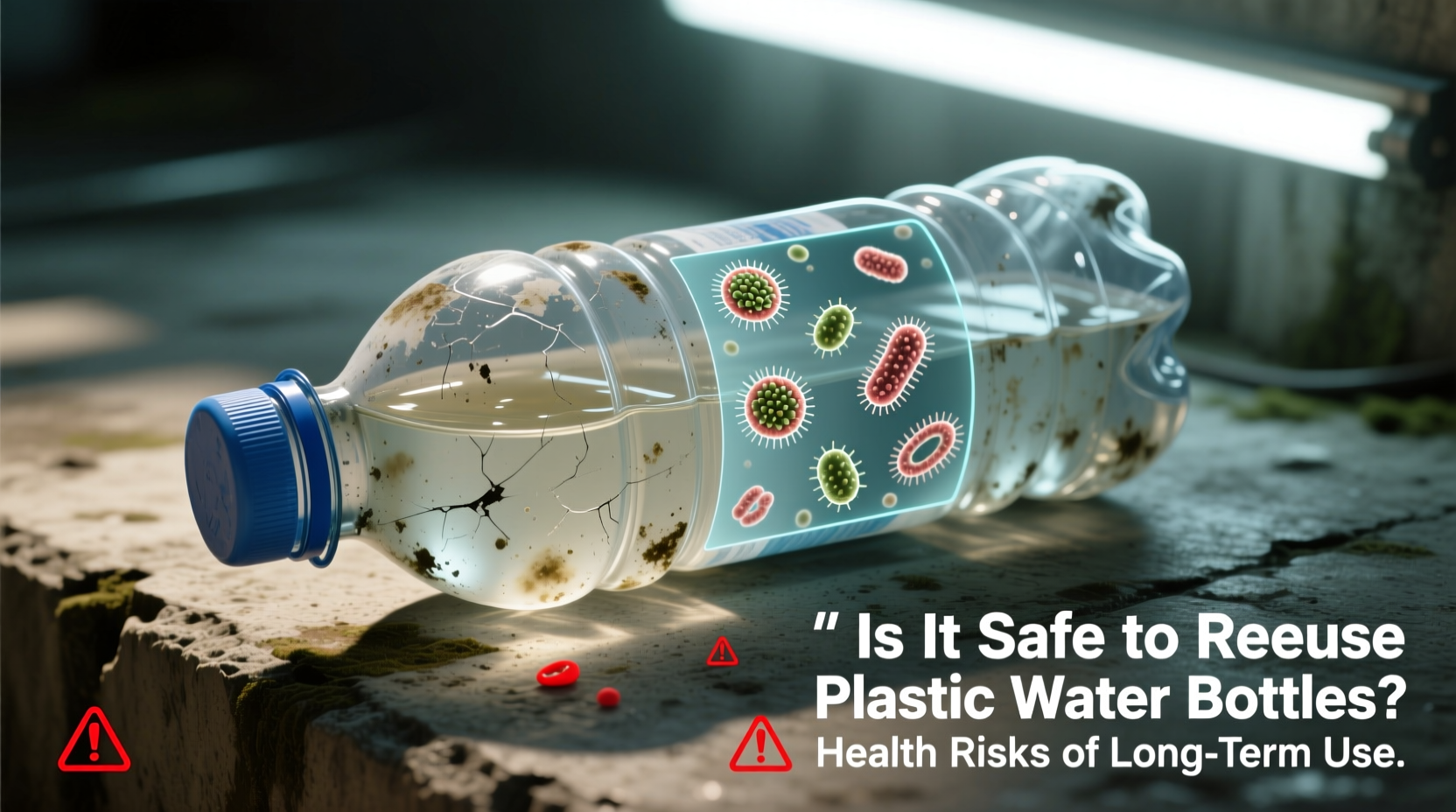 Is It Safe To Reuse Plastic Water Bottles And Health Risks Of Long Term Use
The "I Carried It In My Bag" Factor
Let’s not forget the bag factor. You toss that recycled bottle into your gym bag, next to a sweaty towel and a half-eaten granola bar. That bag is a petri dish. Every time you unscrew the cap, you’re inviting your gym germs to a pool party in your mouth.
Do you really want to share water with your gym socks? I didn’t think so. It’s like eating nachos off your car’s floor mat—you’ll survive, but you’ll feel deeply wrong about it.
The Bottom Line (With a Wink)
Look, I’m not here to scare you into buying a $50 stainless steel bottle that you’ll lose in three weeks. But reusing a flimsy plastic water bottle is like wearing a condom twice—it’s technically possible, but you’re pushing your luck. The bacteria and chemical leaching are real risks, even if they’re small.
If you must reuse, switch to a hard plastic or metal bottle. They last longer, you can actually clean them properly, and they don’t crinkle when you squeeze them. Your water will taste like water, not a chemistry experiment.
So next time you’re about to refill that crinkly, dented, label-peeling bottle, ask yourself: Would I put this in my mouth? If the answer is “eww,” just recycle it and move on. Your future self—and your taste buds—will thank you.
And if you’re still tempted, just remember: No bottle is worth drinking from the floor of a minivan. Cheers to smarter sipping.
