Disadvantages Of Hydrogen Peroxide In Pools

Let’s be real: pool maintenance can feel like a chemistry exam you never signed up for. You’re just trying to float on a unicorn raft, not calculate molarity! But when you hea...
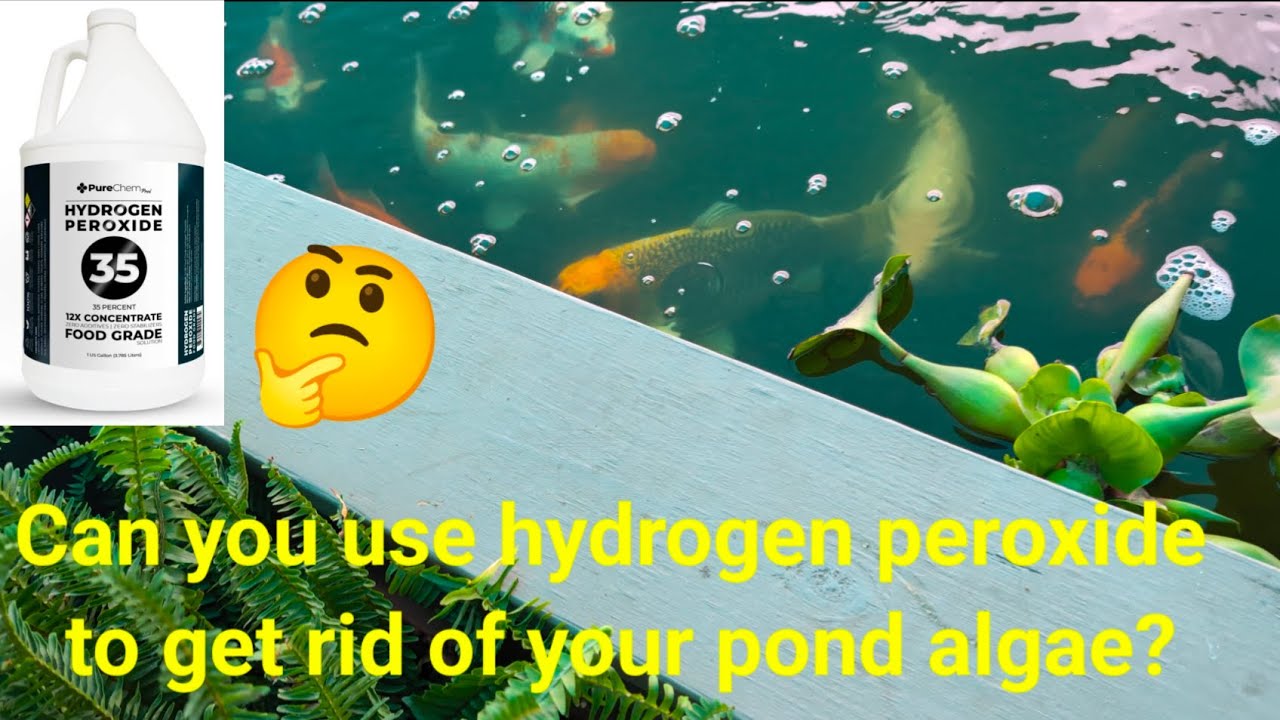
Let’s be real: pool maintenance can feel like a chemistry exam you never signed up for. You’re just trying to float on a unicorn raft, not calculate molarity! But when you hear about hydrogen peroxide as a “natural” pool alternative, it sounds like a dream come true, right? No harsh chlorine smell, no red eyes. Oh, what a beautiful fantasy!
Well, grab your pool noodle and hold on, because I’m about to splash some cold, hard truth on that dream. Hydrogen peroxide in pools? It’s not the miracle worker you’ve been promised. In fact, it comes with a whole list of disadvantages that might just turn your backyard oasis into a science experiment gone wrong.
The Big, Bubbly Problem: It’s a Lightweight Champ
First up, hydrogen peroxide is not a stable pool sanitizer. Unlike chlorine, which sticks around to fight bacteria all day long, hydrogen peroxide breaks down incredibly fast—especially in sunlight. That means you’re basically dumping money into a pool that loses its cleaning power within hours.
Must Read
You know that satisfying fizz when you pour peroxide on a cut? That’s exactly what it does in your pool—bubbles up and vanishes. So unless you’re planning to re-dose your pool every time a cloud moves, you’re inviting algae and bacteria to throw a wild party.
Disadvantage #2: Bye-Bye, Balance
Here’s the kicker: hydrogen peroxide is a powerful oxidizer. That sounds cool, but it actually means it can wreck your pool’s chemistry faster than a cannonball on a calm surface. It can spike your pH levels, making the water irritating to skin and eyes—ironic, since you switched to avoid that exact problem!
And if you have a saltwater or an ionizer system? Pregnancy alert: hydrogen peroxide can react negatively with those systems. You might end up with scale deposits or damaged equipment, turning your “low-maintenance” dream into an expensive headache.
The “Helpful” Hydrogen Peroxide That Backfires
Let’s talk about the elephant in the pool: safety. Hydrogen peroxide in high concentrations (the kind needed to actually sanitize a pool) is a serious chemical. In its concentrated form, it’s more caustic than chlorine and can cause skin burns or respiratory issues if mishandled. Not exactly the chill vibe you wanted for a summer afternoon.
Plus, it’s terrible at killing certain nasties like crypto or giardia. Those little buggers laugh at hydrogen peroxide. So while you’re feeling virtuous about your “green” pool, you might actually be swimming in a bacterial soup. Yikes!
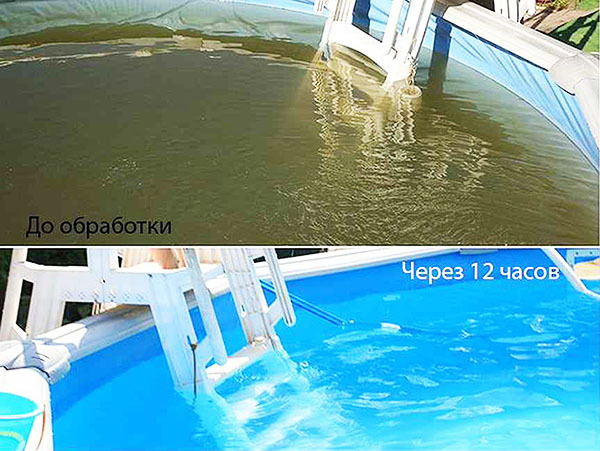 Hydrogen peroxide for the pool: concentration, dosage, proportions
It’s Not Even That Effective Against Algae
You know what hates hydrogen peroxide? Green algae. No, wait—it loves it. Peroxide actually breaks down into water and oxygen, which is food for algae. So you might find your “clear” pool turning into a frog habitat by next Tuesday. Not exactly the sparkling oasis you dreamed of, right?
And here’s the real irony: many pool experts use hydrogen peroxide as a one-time shock treatment to remove organic gunk, but never as a daily sanitizer. They’d rather keep the reliable old chlorine or bromine. If the pros won’t swim in it, maybe we shouldn’t either.
So What’s a Pool Owner to Do? (Don’t Panic!)
Look, I’m not here to rain on your pool party. The desire to avoid harsh chemicals is admirable—and even fun! There are totally cool alternatives out there, like UV sanitation or AOP (Advanced Oxidation Process) systems that genuinely work without the downsides. But hydrogen peroxide alone? It’s a trap.
Think of it like this: hydrogen peroxide is the enthusiastic friend who promises to help clean your garage but ends up knocking over the paint cans and leaving. It means well, but it’s just not the right tool for the job.
So go ahead, explore the world of pool care. Read labels, ask questions, and don’t be afraid to geek out a little. The more you learn, the more you realize that smart science is what keeps your pool sparkling, not trendy shortcuts. And hey, knowledge is power—and in this case, power means more time floating, less time stressing.
Here’s the uplifting note: Every “oops” in pool maintenance is just a stepping stone to being a brilliant water wizard. You’re already asking the right questions—that’s the hard part! So keep that curiosity alive, dive into the details, and watch your pool become the envy of the block. You’ve got this. Now go make some waves!
