Difference Between Distilled And Pure Water

Okay, let’s settle this once and for all. You’ve seen the labels: “distilled water” and “pure water.” They sound identical, right? Like a fancy twin situation. But trust me, t...
Okay, let’s settle this once and for all. You’ve seen the labels: “distilled water” and “pure water.” They sound identical, right? Like a fancy twin situation. But trust me, they are not the same thing, and grabbing the wrong one might actually be a little silly.
Grab your coffee. Or tea. Or, you know, actual water. Let’s chat.
First, what do we even mean by “pure water”?
Here’s the kicker: pure water is almost a marketing lie. Sorry to break it to you. In science, pure water is H₂O and only H₂O. No minerals, no bacteria, no nothing.
Must Read
But out in the real world? “Pure water” on a bottle usually just means it’s been filtered a bit. It might still have calcium, magnesium, or even a whisper of chlorine. It’s clean, but not chemically perfect. Think of it as "good enough" water.
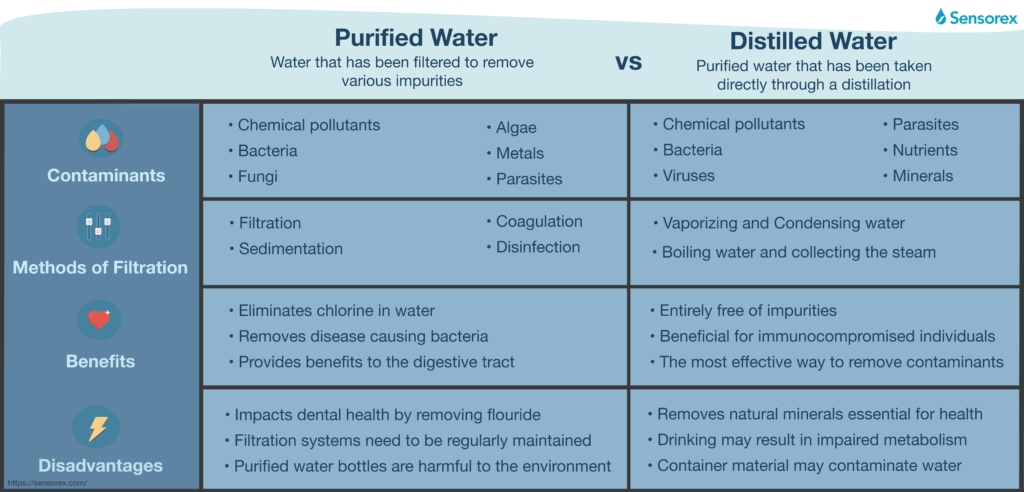
Distilled water, on the other hand, is a whole different beast. It’s been boiled into steam and then cooled back into liquid. That process strips away everything. Minerals? Gone. Bacteria? Dead. Your soul? Probably not, but it feels that empty.
So, the big difference is how they’re made.
Distillation is the water world’s version of a reality show elimination round. Boil, condense, repeat. Only the purest H₂O survives. Everything else gets left behind in the pot like last week’s burnt pasta.
“Pure” water (like from a Brita or a spring) is usually filtered. It passes through a carbon block or a fancy membrane. It’s like a bouncer at a club: it kicks out the really bad stuff (dirt, lead, big germs) but lets the harmless minerals sneak through.
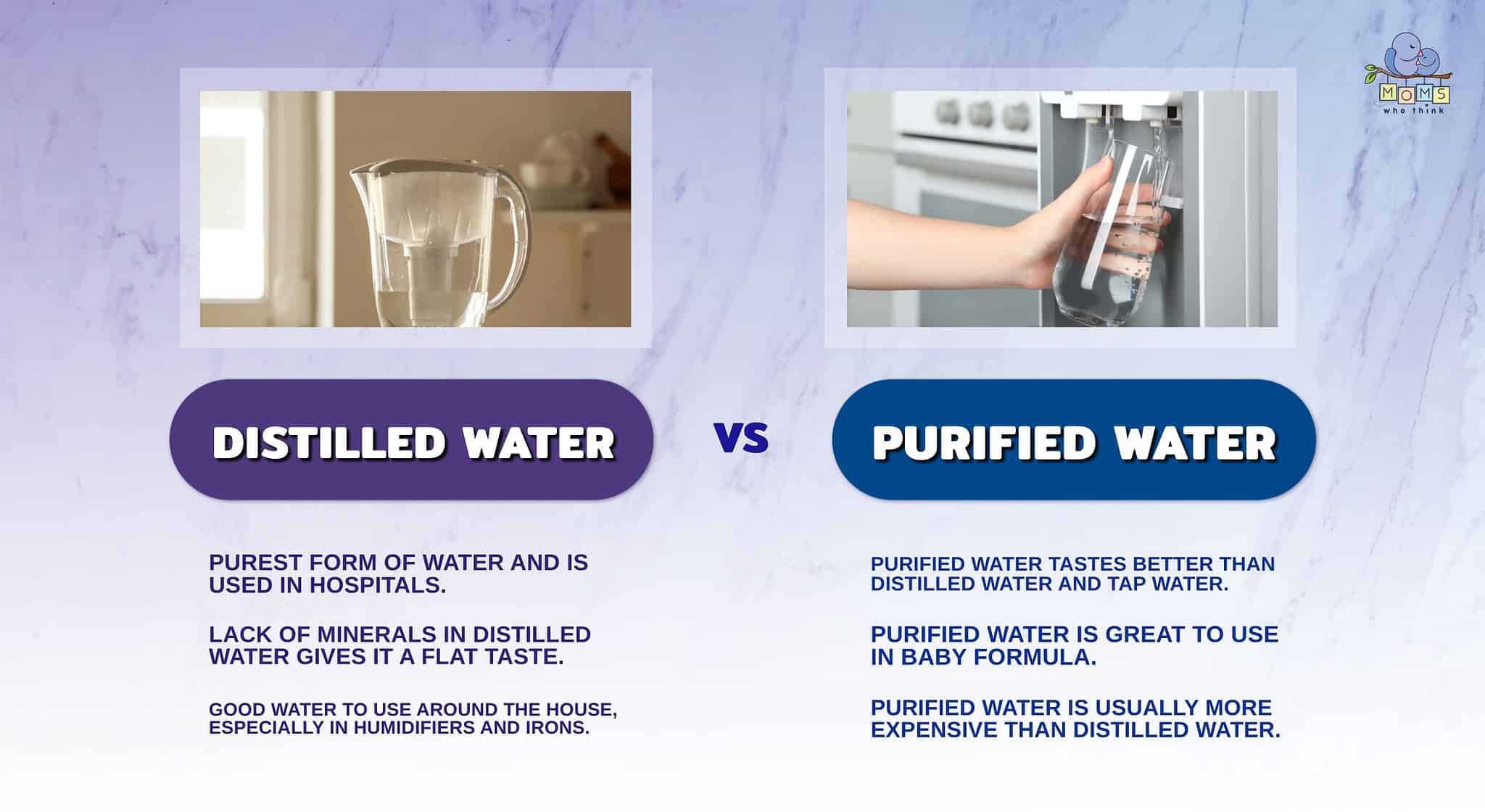
So which one tastes better? Honestly? Distilled water tastes flat. It’s so empty it’s almost sad. Pure filtered water has a bit of mineral zing. It’s like the difference between a crisp apple and a glass of sugary water. Your taste buds will notice.
Can you drink both? (Spoiler: yes, but with caveats)
You can absolutely drink distilled water. People do it all the time. But if you drink only distilled water for a month? You might leach minerals out of your body. It’s aggressively pure. It wants to absorb everything, even from you.
 Distilled vs. Purified Water: 4 Differences & Health Benefits
Regular “pure” water? That’s your daily driver. It hydrates you and gives you a little bonus calcium. Your dentist will probably thank you.
Here’s a hilarious scenario: you buy “pure water” for your iron. You pour it in. It works. Then you buy distilled water for the same iron. Boom. No scale build-up. That’s the secret. Distilled water is the MVP for appliances.
When would you actually choose one over the other?
Let’s get practical. Use distilled water for: your steam iron, your humidifier, your car’s battery, your fish tank (if you have fancy fish), or making baby formula. Seriously, doctors sometimes recommend it for baby formula because of no impurities.
Use pure filtered water for: drinking, cooking coffee, making ice cubes, and watering your plants. Plants hate distilled water. It’s like feeding them a vitamin-free diet. They’ll get sad and droopy.
Oh, and if you’re into making kombucha or sourdough? Don’t use distilled water. The good bacteria need those trace minerals to party.
The Bottom Line (I promise, no lecture)
Think of it this way: distilled water is the ultra-nerd of the water world. It’s technically perfect but a bit boring and socially awkward. Pure water is the cool, friendly cousin. It’s filtered enough to be safe but still has a little personality.
So next time you’re at the store, look at the label. If it says “distilled,” you know it’s been through the steam wars. If it says “pure,” it’s just well-behaved tap water. Either way? You’re hydrated, and that’s the real win. Cheers.
