Reverse Osmosis Drinking Water System Price

Let’s be honest—buying a reverse osmosis drinking water system feels a bit like shopping for a spaceship part. You’re standing there, staring at prices that range from “I can...
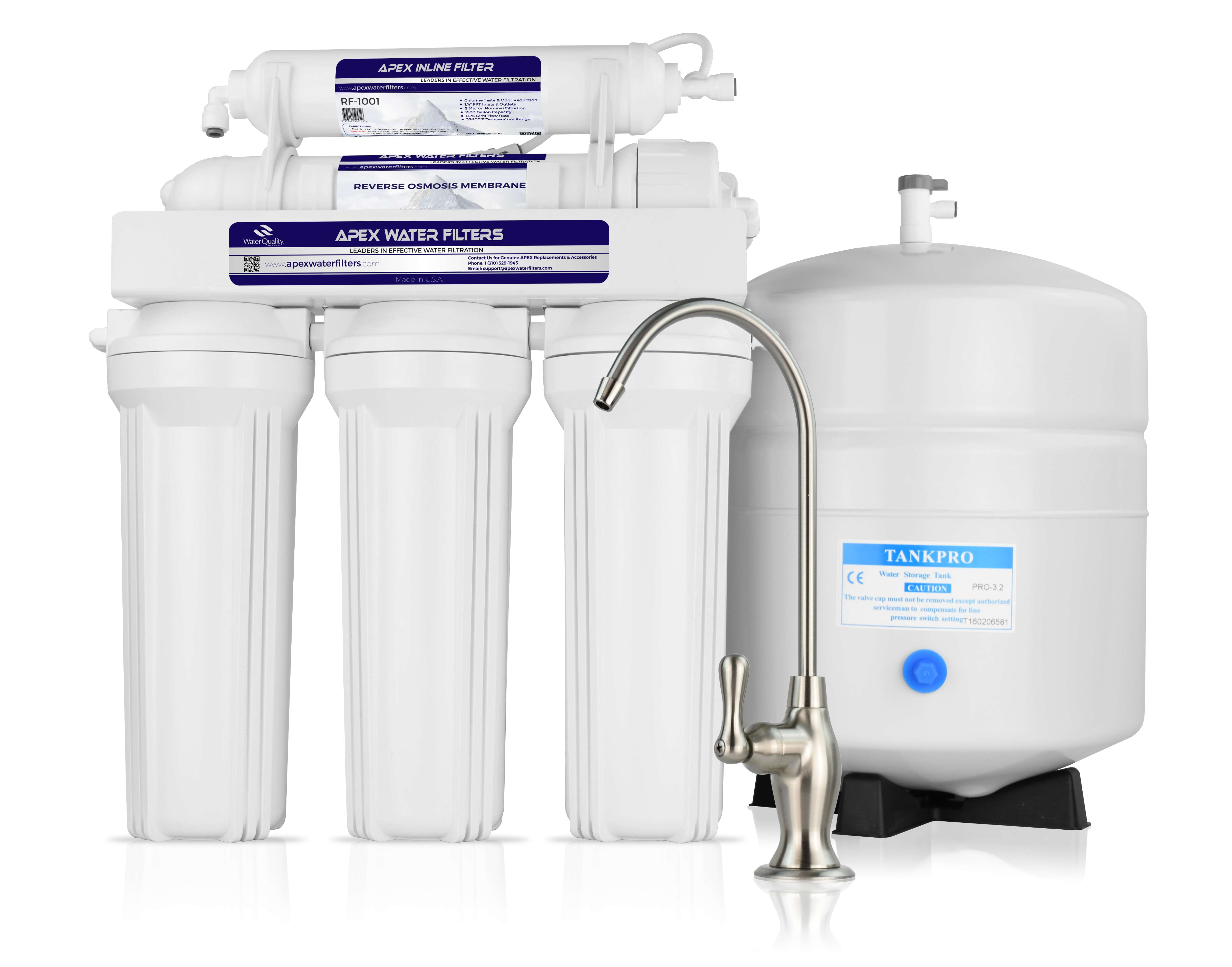
Let’s be honest—buying a reverse osmosis drinking water system feels a bit like shopping for a spaceship part. You’re standing there, staring at prices that range from “I can skip coffee for a week” to “Is this thing made of gold and tickles the water?” But here’s the thing: once you taste that crisp, pure water, you realize you’ve been drinking tap water that tastes like pool cleaner mixed with old pennies.
The price of a reverse osmosis system is a funny beast. You’ll see under-sink units for $150 that look like a plastic science project, and countertop models for $500 that probably come with a Bluetooth speaker. Remember your first car? One was a rusty Corolla, the other a leased BMW. Same wheels, different vibe.
I once bought a cheap system online—on a whim, after a bad day at work. It arrived in a box that was already dented, and the instructions were in hieroglyphics. After three hours of wrestling with tubes, I got a trickle of water that tasted vaguely of rubber. That’s when I learned: you get what you pay for, and sometimes you get a free side of regret.
Must Read
What’s really in that price tag?
Think of a reverse osmosis system like a coffee maker for water. The cheap ones use plastic filters that need swapping every few months, while the fancy ones include stainless steel tanks and multiple stages of filtration. You’re paying for how long you want to pretend you’re a scientist sipping from a glacier.
Most common systems cost between $200 and $600 upfront. That sounds like a lot until you realize your bottled water habit costs you $30 a month—and you’ve been paying for glorified tap water in a plastic bottle. Do the math: after a year, that system practically pays for itself while you save the planet from your own guilt.
Then there’s the installation cost. If you’re handy, you can do it yourself and save $100. If you’re like me—someone who once broke a sink by looking at it wrong—you’ll pay a plumber. They’ll drill a hole, mutter something about “easy jobs,” and leave you with a receipt that makes you question your life choices.
The “filter replacement” surprise
Here’s the kicker: the filter replacements. They’re like the ink cartridges for your printer—annoying and overpriced. A typical set of three filters costs $50 to $100 every six to twelve months. I once forgot to change mine for a year, and my water started tasting like a basement. My wife said, “Did you remember to feed the machine?” I had not.
But don’t freak out. Some systems come with long-lasting membranes that last two to three years. That’s like having a car that only needs an oil change when the seasons change. If you buy a system with a UV light stage, you’re basically paying for water that’s been kissed by a tiny sun. Worth it? Maybe, if you’re a germaphobe or just love sci-fi.
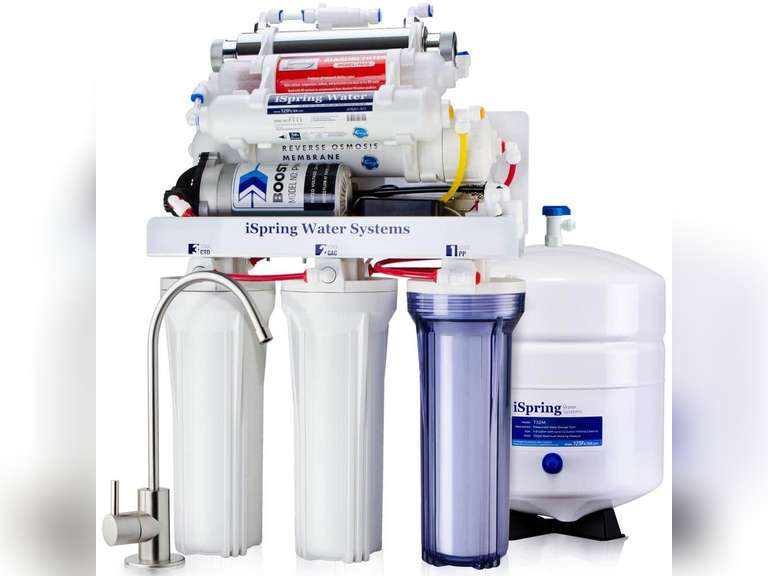 7-Stage 100 GPD Under-Sink Reverse Osmosis Drinking Water Filtration
I’ve seen whole-house reverse osmosis systems that cost $2,000 or more. Those are for people who have too much money or live in places where the tap water comes out looking like iced tea. For most of us, a simple under-sink unit for $250 to $400 is the sweet spot—like buying a decent pair of jeans that fit without selling a kidney.
Where to look without losing your mind
Start at big-box stores like Home Depot or Lowe’s. They have brands like GE or Whirlpool that won’t cost you rent money. Online, Amazon is a wild west of $99 “premium” systems that promise the moon but arrive with a missing screw. Read reviews like you’re a detective—look for people who mention “easy to install” and “tastes great,” not “it broke after three weeks.”
One friend of mine bought a countertop unit that cost $180, and it’s basically a decanter with a magic filter. He calls it his “fancy water pitcher,” and it works so well he can’t drink tap water at restaurants anymore. That’s the trap: once you go RO, regular water tastes like disappointment.
If you’re on a budget, look for refurbished units from reputable sellers. They’re like buying a used car that’s been checked by a mechanic—less shiny, but just as reliable. I snagged one for $150 that came with a warranty, and it’s been purring for two years. The only downside? My cat tries to drink from the spout.
The final sip of honesty
Here’s the truth: a reverse osmosis system is a luxury you didn’t know you needed until you taste the difference. Yes, the price might make you wince, but every time you fill a glass without that chlorine aftertaste, you’ll smile. It’s like upgrading from instant coffee to a pour-over—your taste buds throw a little party.
So, go ahead: browse the options, laugh at the prices, and maybe splurge a few bucks. You’ll save money in the long run, drink water that makes you feel fancy, and finally stop buying those plastic bottles that guilt-trip you. Just don’t forget to change the filters. Trust me—your water will thank you, and your spouse won’t have to ask if you remembered to “feed the machine.”
