Is It Okay To Use Tap Water In A Humidifier

You’ve finally upgraded your bedroom oasis with a sleek, whisper-quiet humidifier. Now, as you stand at the sink, something else arises: can you just fill it with tap water? I...
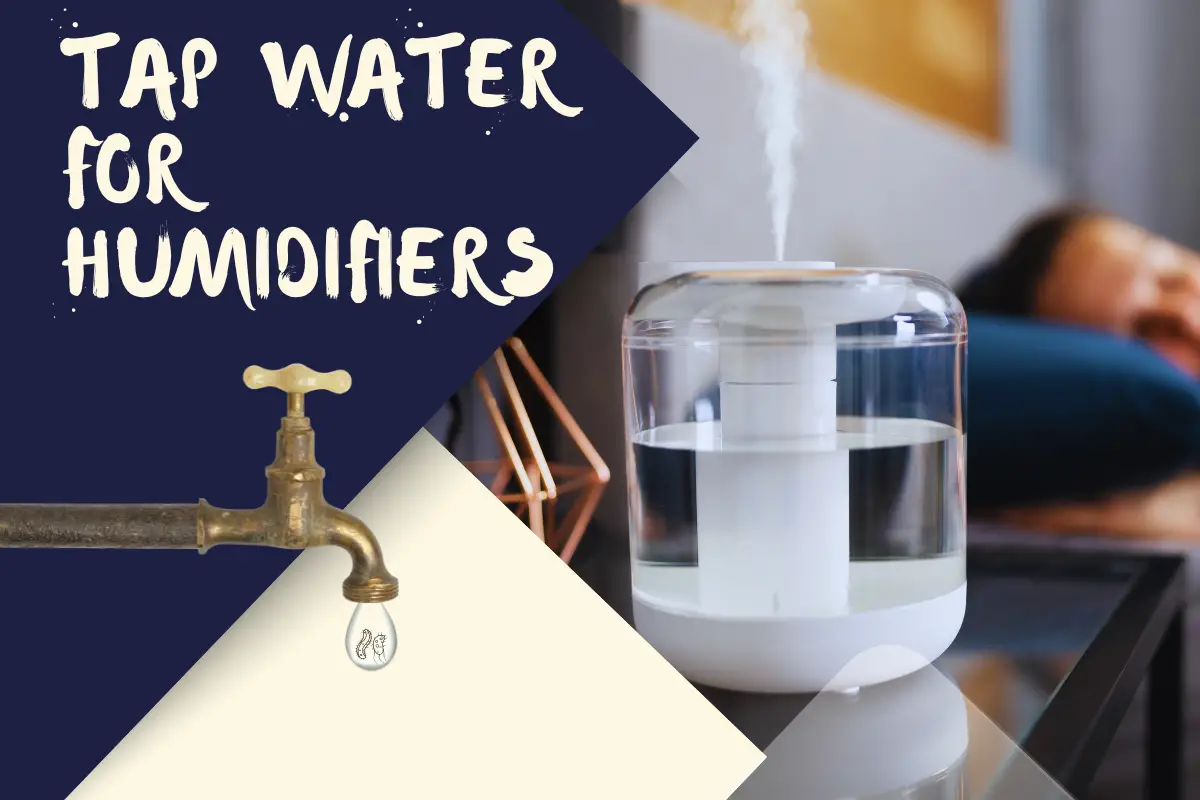
You’ve finally upgraded your bedroom oasis with a sleek, whisper-quiet humidifier. Now, as you stand at the sink, something else arises: can you just fill it with tap water? It feels so simple, yet the internet loves to turn this into a debate worthy of a high-drama reality show.
Let’s cut through the noise. The short answer is yes, you absolutely can use tap water in most humidifiers—but there’s a catch. It’s less about safety and more about maintenance, that boring adult word that separates a zen space from a science experiment.
The White Dust Problem
Remember the scene in Breaking Bad where Walter White obsesses over purity? That’s basically your tap water. It contains minerals like calcium and magnesium, which are great for your bones but a nightmare for your humidifier.
Must Read
When you use tap water, these minerals get launched into the air as fine, white dust. It settles on your nightstand, your books, and even your lungs’ bronchial tubes if you’re particularly sensitive. Think of it as invisible chalk dust—except it’s silently covering your life.
Fun fact: this white dust is the exact same stuff that makes your kettle scale up. Your humidifier is basically a tiny, atmospheric tea kettle, and it will complain about it.
Bacteria? It’s a Party in There
Tap water isn’t sterile—and it’s not supposed to be. But when it sits in a warm, dark tank for days, it becomes a Club Med for microbes. You’re essentially aerosolizing a microbial house party every night.
This is where distilled or demineralized water wins the day. It’s like the bouncer who kicks out the minerals and most bacteria before they even get near the dance floor. If you have a cool-mist ultrasonic humidifier, the whispers online are true: distilled water keeps it clean and foggy, not crusty.
Still, if you’re feeling rebellious or you just ran out of distilled water, tap water won’t send you to the ER. The real risk is gunk buildup that turns your machine into a moldy Jackson Pollock.
Cool-Mist vs. Warm-Mist: The Great Divide
If you have a warm-mist or steam vaporizer, you’re in luck. The heat actually kills bacteria and reduces mineral dust. Tap water is much more forgiving here—think of it as a gentle, humidifying hot spring for your stuffy nose.
But for ultrasonic or evaporative cool-mist models, tap water is like feeding a vegan a steak. It works, but the machine will eventually protest. The minerals can clog the wicking filter or the vibrating disc, cutting your humidifier’s life short by months.
Cultural reality check: in many European homes, tap water is harder than a calculus exam. Meanwhile, in places like New York City, the water is famously soft—which means less dust, less scale. Your local water hardness is the silent boss of this entire conversation.
 Tap Water in Humidifiers: Is It Safe? What You MUST Know Now
Practical Tips for the Pragmatic Person
First, check your owner’s manual. If it says “use distilled water only,” do not ignore it unless you enjoy buying new humidifiers every season. Think of it as the fine print of your self-care routine.
Second, if you must use tap water, clean your humidifier weekly. Soak the tank in a 50/50 water and white vinegar solution for 30 minutes. It’s the same trick your grandma used for the coffee maker, and it works like a charm.
Third, buy a demineralization cartridge or a humidifier filter. These little plastic gadgets cost about the same as two lattes and will save you a lot of scrubbing. It’s the “airplane mode” for your water—easy and effective.
Fun Fact Interlude
Did you know that in ancient Rome, wealthy citizens used aqueduct water in their fountains to humidify their villas? Sadly, their marble humidifiers didn’t have replaceable filters. The fall of Rome? Probably white dust buildup on the togas. (Okay, maybe not, but it sounds plausible.)
On a more serious note, using tap water can also void your humidifier warranty. So if you’re the kind of person who buys the extended warranty on a toaster, stick to distilled water. Your future self will thank you while sleeping on a dust-free pillow.
The Verdict (No Spin Zone)
So, is it okay? Yes, in the same way it’s okay to wear sneakers on a muddy hike. You’ll get where you’re going, but you’ll spend a lot of time cleaning up later. For a low-maintenance, long-term humidifier friendship, distilled or filtered water is the classy choice.
But if you’re a weekend warrior who just needs a bit of moisture during dry season, tap water is fine—just commit to the weekly vinegar soak. Your humidifier isn’t a high-maintenance diva, but it does appreciate a little respect.
In the end, this question is really about what kind of life you want to live. Do you want to fuss over water, or do you want to breathe easy and move on? The choice is yours, and honestly, both are valid. Just don’t be the person who blames the humidifier for a layer of dust on your face cream.
Final reflection: The next time you fill that tank, remember that the quality of water is the quality of air is the quality of rest. In a world that’s already noisy and harsh, a little bit of careful attention to the invisible things—like water, air, and how we treat our small machines—can turn a routine chore into a quiet act of self-care. So go ahead, use tap water if you must. But maybe, just maybe, pour in that distilled water and let the fog carry your worries away.
