Activated Carbon Filter For Water Treatment

So there I was, standing in my kitchen, staring at a glass of tap water that looked perfectly clear. I took a sip, and—blech—that faint taste of chlorine and dirt crept in. Yo...
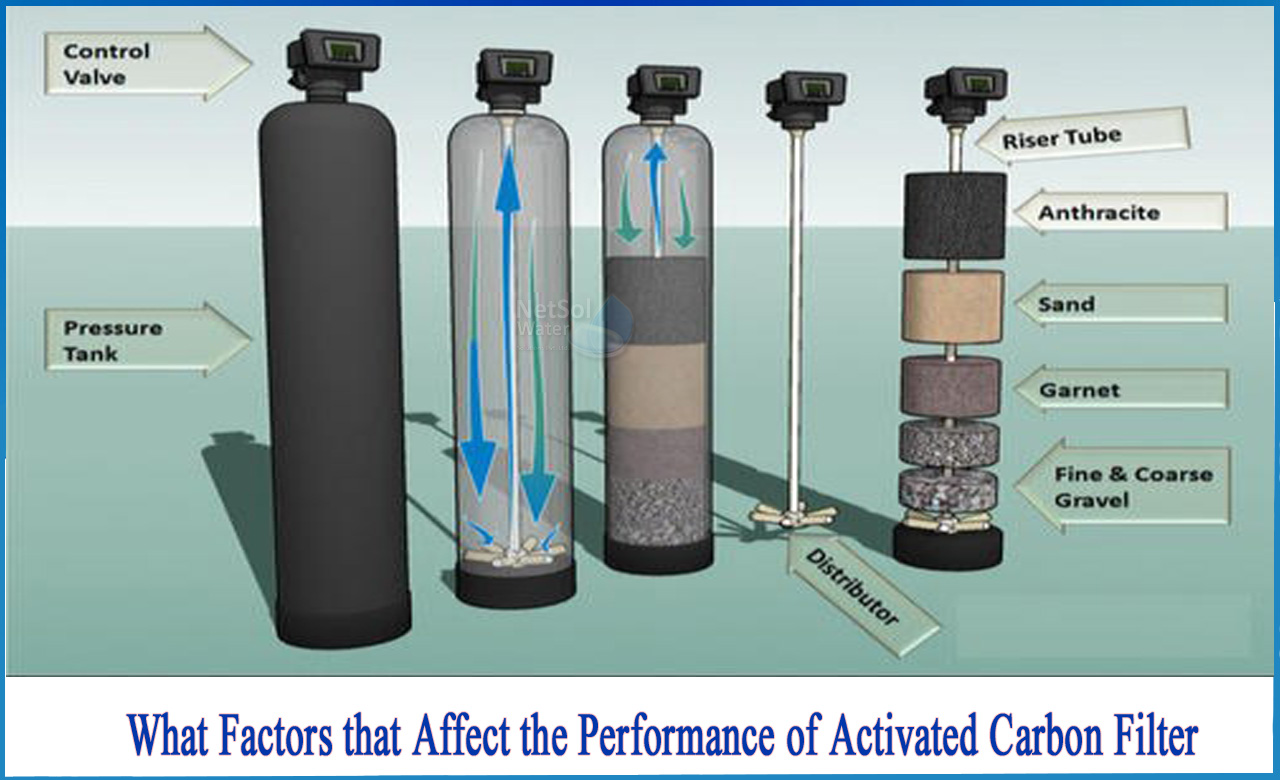
So there I was, standing in my kitchen, staring at a glass of tap water that looked perfectly clear. I took a sip, and—blech—that faint taste of chlorine and dirt crept in. You know the one. I almost poured it down the sink out of pure spite.
Then a friend, who’s way too into DIY projects, handed me a pitcher with a funny black cartridge inside. “Try this,” he said.
I did. And the water actually tasted… clean. Like, real water. That little cartridge? It was an activated carbon filter. And it totally changed my relationship with my kitchen faucet.
Must Read
Let’s be honest: tap water is a gamble. It’s usually safe, but it can carry that weird “pool water” vibe or a metallic aftertaste. That’s where activated carbon struts in like a superhero—except its cape is made of porous, black powder.
What even is activated carbon? (And no, it’s not the stuff in your grill)
Activated carbon is basically charcoal that’s been zapped with heat or chemicals to make it super porous. Think of it like a microscopic sponge with a million tiny caves inside.
One gram of this stuff has a surface area bigger than a football field—actually. It’s that insane. When water flows over it, those little caves grab onto chlorine, pesticides, and funky odors like a toddler grabbing candy.
But here’s the kicker: it’s not magic. It’s science. Adsorption (not absorption, because grammar matters) is the process where pollutants stick to the carbon’s surface. That’s why it’s so good at removing bad tastes and smells.
What does it actually tackle? (Spoiler: not everything)
Activated carbon filters are amazing at removing chlorine, volatile organic compounds (VOCs), and sediment. That means your water will look clearer, smell neutral, and taste like it came from a mountain spring—not a pipe.
But let’s be real: they won’t remove dissolved minerals, heavy metals, or bacteria. If you’re worried about lead or fluoride, you’ll need a different setup. Carbon is a specialist, not a generalist. Kind of like that friend who’s great at fixing bikes but can’t cook toast.
Oh, and one more thing: if your water is already contaminated with pathogens, activated carbon might actually help them grow in the filter. Gross, right? That’s why most systems combine carbon with other tech like UV or reverse osmosis.
How long does it last? (Until it betrays you)
Most activated carbon filters need replacing every 3–6 months. I know, I know—it feels like a scam, like printer ink all over again. But if you don’t swap it, the carbon gets “full,” and then it just… stops working. Worse, it can release trapped gunk back into your water. Yum.
Here’s a good rule of thumb: if you notice a funky taste or low water flow again, it’s time. Or just mark your calendar and pretend you’re a responsible adult.
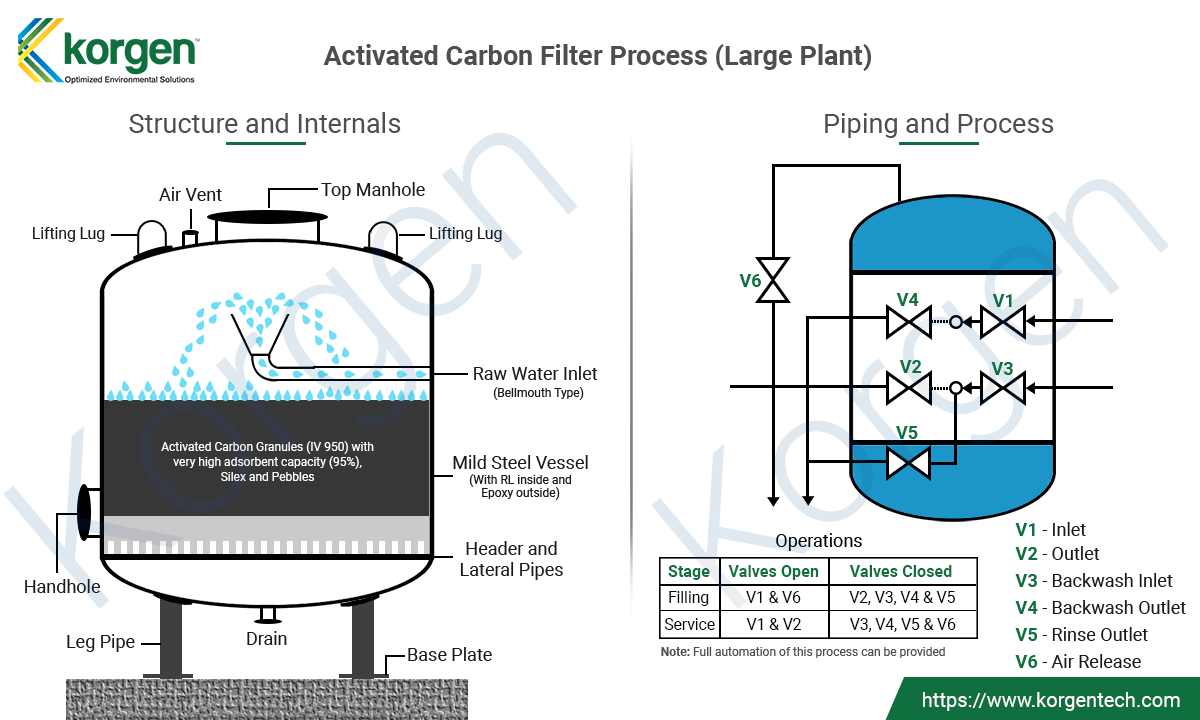 Korgen - Activated Carbon Filters | Water Filtration Plants
Types of carbon filters (Because one size doesn’t fit all)
You’ve got granular activated carbon (GAC), which looks like black sand. It’s cheap and great for bigger particles, but it can channel water through gaps, missing some stuff. It’s like trying to stop a leak with a colander—occasionally effective.
Then there’s carbon block. This is carbon pressed into a solid brick. It’s denser, lasts longer, and catches more contaminants. Way more efficient. But it also slows down water flow, so your filter pitcher might take forever to fill. You win some, you sip slow.
Why should you care? (Besides not drinking chlorine juice)
Look, I’m not saying you need to become a water snob. But clean water is the one luxury you use every single day. That morning coffee? Tastes better without the chlorine aftertaste. That glass of water at 2 AM? Less chance of it tasting like metal.
Activated carbon filters are also cheap. A basic pitcher is like $20, and replacements are a few bucks each. Compare that to buying plastic water bottles forever—your wallet and the planet will high-five you.
A little warning (Don’t skip this, really)
Not all activated carbon is created equal. Some cheap filters are just colored plastic with barely any carbon inside. Look for ones certified by NSF/ANSI Standard 42 or 53. That fancy code means the filter actually does what it promises, not just sits there looking noir-ish.
Also, if your water has high levels of sediment, pre-filter it first. Otherwise, the carbon gets clogged with dirt, and then it’s done—like a vacuum with a full bag. You’ve been warned.
The final pour
Back to my kitchen: after that first filtered glass, I bought a countertop system. It’s not fancy, but every sip reminds me that simple solutions work. Activated carbon won’t fix all your water woes, but for taste and smell? It’s a tiny, porous miracle.
So go ahead. Ditch the bottled water guilt. Grab a filter. And finally enjoy what comes out of your tap—without side-eyeing the glass first. You deserve water that tastes like nothing.
And that, my friend, is a beautiful thing.
