Is Reverse Osmosis Water Good For Fish Tanks

So, you’ve got a fish tank, and suddenly you’re down a rabbit hole about water. You’ve heard about reverse osmosis (RO) water, and now you’re wondering: is this fancy, super-p...
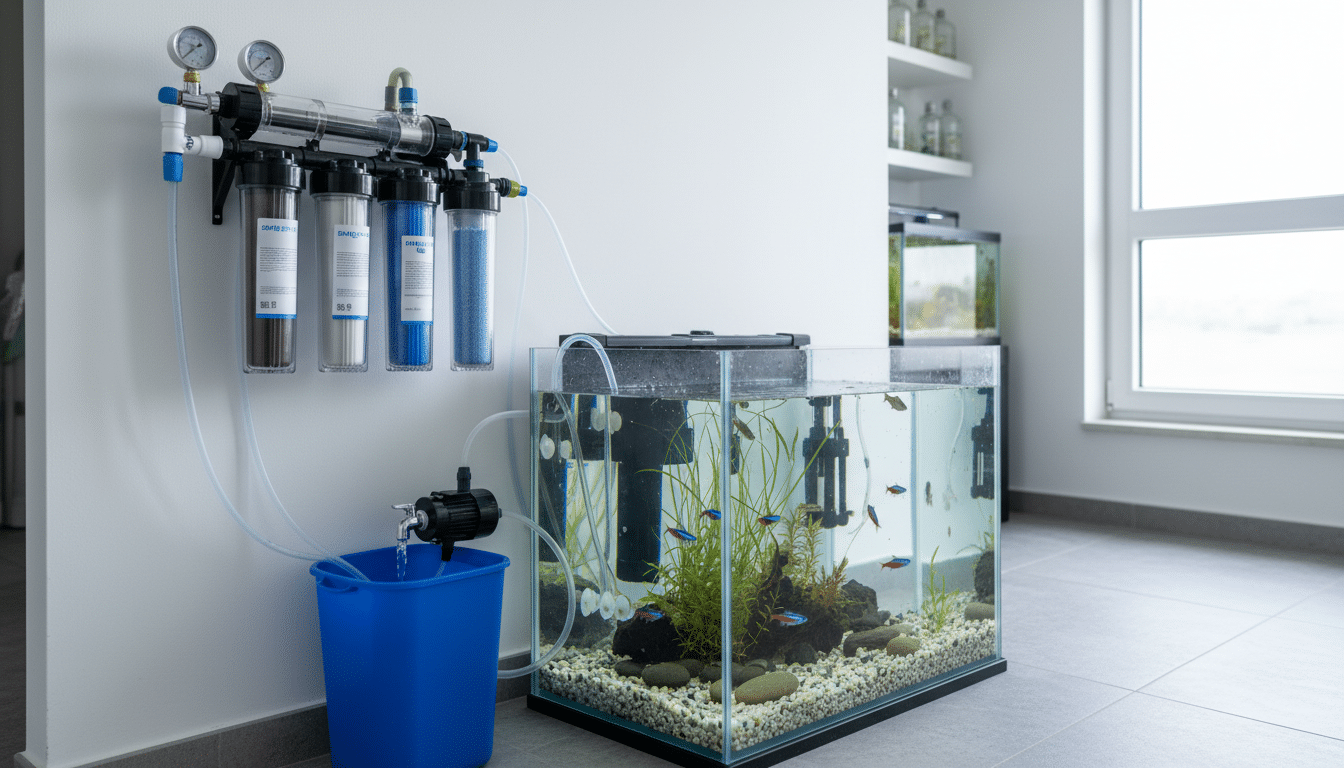
So, you’ve got a fish tank, and suddenly you’re down a rabbit hole about water. You’ve heard about reverse osmosis (RO) water, and now you’re wondering: is this fancy, super-purified stuff actually good for my fish? Let’s take a chill dive into this, no science degree required, okay?
First off, what is reverse osmosis water? Imagine you’re making coffee, but in reverse—RO systems push tap water through a super-fine membrane that kicks out almost everything: minerals, chemicals, heavy metals, the works. The result is water that’s about as pure as a mountain spring, but without the “naturally occurring” minerals.
The Cool Part: Why RO Water is a Secret Weapon
Here’s where it gets interesting. RO water gives you total control. You know how some fish are super picky? Like discus or crystal red shrimp—they demand water softer than a cloud. Tap water is a wild card; it can change pH and hardness depending on your city’s mood that week. RO water is a blank slate.
Must Read
Think of it like baking a cake. Tap water is like pre-mixed flour with random salt already in it. RO water is pure flour—you add exactly what you need. That’s why serious aquascapers and breeders swear by it. You can remineralize it to match your fish’s natural Amazonian or Asian stream, perfectly.
But wait—doesn’t that sound like extra work? Yeah, maybe a little. But it’s predictable work. No more panicking because your tap water suddenly smells like chlorine. RO strips that chaos away.
The Catch: Is Pure Water Too Pure for Fish?
Here’s the big question: can fish live in water that’s basically nothing? The short answer is no—not directly. Fish need minerals in the water to regulate their osmoregulation (fancy word for keeping their cells balanced). If you drop a goldfish in pure RO water, it’s like you drinking distilled water all day—it can mess with your body’s chemistry.
But here’s the fun twist: you aren’t supposed to use straight RO water. You mix it with tap water or add special minerals back in. It’s like a cocktail recipe. “Start with RO, then add 20% tap water” or “remineralize with a specific salt blend.” Suddenly, you’re a mad scientist, but for fish.
So, RO water isn’t a “good or bad” thing—it’s a tool. Would you give a cactus the same soil as a fern? No. Same vibe. For some fish, RO water is a lifesaver. For others, like hard-water loving guppies, it’s overkill.
Fun Comparisons: When to Use (and Avoid) RO
Think of your tank like a party. Tap water is the chill DJ playing top 40 hits—fine for most, but some fish want classical, some want death metal. RO water lets you customize the playlist. If you’re keeping South American cichlids that need acidic, soft water, RO is your VIP pass.
 The Benefits Of Reverse Osmosis Water For Your Fish Tank | PetShun
On the flip side, using RO for African cichlids from Lake Tanganyika? That’s like giving a camel a glass of distilled water—they need hard, alkaline conditions. Doing that would stress them out faster than a TikTok drama.
Here’s a pro tip: don’t start with RO if you’re a beginner. Just stick with dechlorinated tap water and test your parameters first. RO is an upgrade, not a starter pack. It shines when you know exactly what your fish need and you want to remove variables like heavy metals or nitrates.
The Environmental and Budget Reality Check
Let’s be real: RO systems waste water. For every gallon of pure water, they usually dump 3-4 gallons down the drain. That’s like buying a fancy coffee and throwing out half the cup. If you’re eco-conscious or on a water bill, that might sting.
Also, the initial cost? A decent RO unit runs about $50 to $200. Plus, you need storage buckets and a pump if you’re doing big water changes. It’s not a “just buy it” thing—it’s a commitment. But for a dedicated aquarist with sensitive fish, it’s worth every penny.
So, is reverse osmosis water good for fish tanks? It depends. It’s not magic, but it’s a powerful tool for water nerds. If you love control, crave consistency, or have picky aquatic divas, RO water is your new best friend. If you’ve got hardy fish and a steady tap supply, maybe save your cash and just get a bucket.
In the end, it’s all about the fish. They don’t care if you’re using RO or tap—they care about stability and comfort. So ask yourself: are you ready to become a water wizard? Because that’s what RO is—a wand, not a cure-all. Use it wisely, and your underwater world will thank you.
