Is Tap Water From The Bathroom Safe To Drink

Let’s be honest: we’ve all done it. It’s 2 AM, you’re parched, and the kitchen feels a mile away. You cup your hands under the bathroom tap and take a long, desperate gulp. Bu...
:max_bytes(150000):strip_icc()/is-london-tap-water-safe-1583358-FINAL-5c26657d46e0fb0001a47358.png)
Let’s be honest: we’ve all done it. It’s 2 AM, you’re parched, and the kitchen feels a mile away. You cup your hands under the bathroom tap and take a long, desperate gulp. But then, the post-sip guilt hits you. Is this actually okay?
The short answer is yes, in most developed countries, the water from your bathroom tap is perfectly safe to drink. It comes from the exact same municipal supply as your kitchen sink. That’s the good news, and it’s a solid foundation for late-night hydration.
However, the real story is a little more nuanced. The difference rarely lies in the water itself, but in how it’s stored and delivered. Your bathroom might have older pipes, a different type of faucet, or—crucially—a hot water tank that’s seen better days.
Must Read
What Lurks in the Pipes?
If you live in a house built before the mid-1980s, there’s a chance the pipes are made of lead or have lead solder. Water sitting in those pipes for hours, especially hot water, can absorb trace amounts of lead. This is a real health risk, particularly for children and pregnant women.
Another culprit is the water heater. That large metal tank in your closet or basement is a perfect breeding ground for sediment, rust, and even bacteria if it’s not maintained. The Environmental Protection Agency (EPA) actually advises against drinking from the hot water tap for cooking or drinking.
Fun fact: In the UK, it’s a cultural no-no to drink from the bathroom tap. Many Brits will look at you like you’ve just insulted their grandmother. It’s less about safety and more about tradition—and the fact that cold water tanks in attics are often open to dust.
The Simple Rule of Thumb
Here’s your cheat sheet: Always run the cold water for 30 seconds before drinking from any tap, including the bathroom. This flushes out any water that has been sitting in the pipes, pulling in fresh, cooler supply from the main line.
Never, ever drink from the hot water tap. Hot water dissolves lead and other minerals from pipes faster than cold water. Plus, that water has likely been sitting in your water heater, picking up flavor notes like “copper” and “vintage dust.” Not ideal.
If your bathroom faucet is equipped with an aeration screen (that little mesh end piece), clean it regularly. These can trap bacteria, mold, and tiny debris. A simple soak in vinegar once a month keeps the water flowing clean.
A Nod to Global Standards
If you’re traveling, the bathroom tap is a different story. In places like Singapore or Tokyo, tap water is pristine from any tap. In Mexico, Egypt, or parts of Southeast Asia, none of it is safe unless specifically labeled. When in doubt, ask a local or stick to bottled.
For the eco-conscious, this debate is a goldmine. Drinking from the bathroom tap saves a plastic bottle and a trip to the fridge. Studies show that keeping a glass by the sink increases your daily water intake by up to 20%. It’s a sneaky health hack.
There’s also a psychological barrier. Let’s face it: the bathroom smells like soap and toothpaste. Your brain associates that space with hygiene rituals, not refreshment. This “ick factor” is powerful, even if the water is chemically identical to the kitchen.
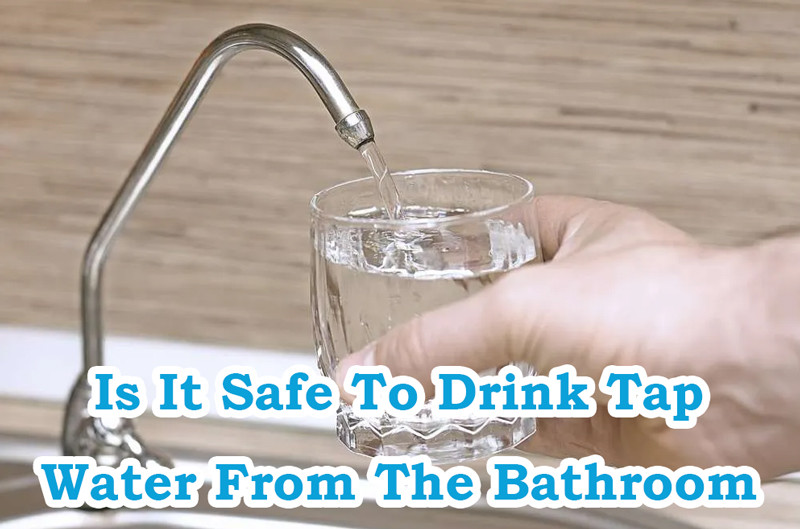 Is It Safe To Drink Tap Water From The Bathroom
How to Upgrade Your Bathroom Water
If you’re still uneasy, install a small filter on the bathroom faucet. A basic carbon filter removes chlorine taste, sediment, and some heavy metals. It’s a $30 fix that turns your sink into a hydration station.
Use a dedicated water bottle or cup—not the same one you use for mouthwash. Cross-contamination of flavors is real. A stainless steel cup on the vanity feels intentional and stylish. It’s a small act of self-care.
Fun fact: The U.S. has the safest public drinking water in the world, according to the CDC. But that safety applies to the source. Your local coffee shop’s water might be filtered four times; your bathroom might be filtered zero times. Know your building.
The Cultural Quirks
In France, bathroom taps are labeled “Eau Potable” (Drinkable) or clearly marked. In Germany, it’s common to have a “Badezimmer” glass specifically for water. In Australia, they joke that you’ll turn into a kangaroo if you drink from the hot tap. The myths are endless.
What about the water pressure? Some people swear bathroom water tastes “fresher” because it comes through smaller pipes at higher pressure. Is that science? Not really. But it makes for a great party fact at your next dinner gathering.
Here’s the bottom line: Cold, freshly-run bathroom tap water is generally safe in any modern home. The risk comes from neglect—old pipes, unmaintained tanks, and hot water. A 30-second flush is your best friend.
A Daily Reflection
We spend so much energy worrying about what’s “pure” that we forget the simple joy of quenching a thirst. That late-night sip from the bathroom tap isn’t just hydration; it’s a small rebellion against overthinking. It’s a reminder that most of us are incredibly lucky to have clean water flowing from any tap we choose.
So next time you’re standing in the bathroom, half asleep, don’t panic. Run the cold water for a few seconds, smile at your reflection, and drink up. Life’s too short for a glass of water to be a source of anxiety. Trust your infrastructure—and your instincts.
And if you’re really worried? Just keep a water bottle in the kitchen. But where’s the adventure in that?
:max_bytes(150000):strip_icc()/is-london-tap-water-safe-1583358-FINAL-5c26657d46e0fb0001a47358.png&description=Is+Tap+Water+From+The+Bathroom+Safe+To+Drink)