How Do Activated Charcoal Water Filters Work

Ever wonder what’s really going on inside those trendy black water bottles or the simple pitcher in your fridge? You’ve probably seen “activated charcoal” on labels and though...
Ever wonder what’s really going on inside those trendy black water bottles or the simple pitcher in your fridge? You’ve probably seen “activated charcoal” on labels and thought, “Wait, isn’t that what they use in hospitals for poison?” Yep, it’s the same stuff. And it’s actually pretty fascinating. Let’s break it down without the science jargon, just a chill look at how this magic black sponge works.
The Home for Unwanted Guests
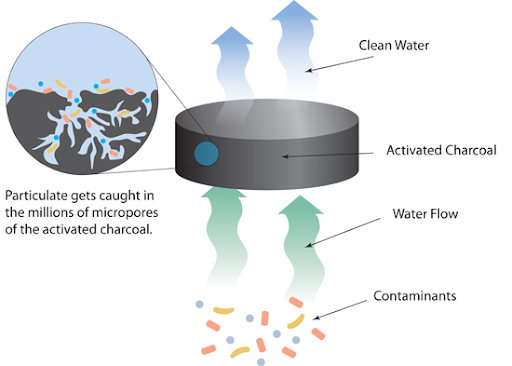
Think of activated charcoal as a tiny, super-powered sponge. Before it’s “activated,” regular charcoal is just burnt wood or coconut shells—kind of like the stuff in your barbecue. But then, it goes through a special process where it’s treated with gas or heat. This opens up millions of tiny pores inside each particle.
Imagine a single grain of sand suddenly developing a labyrinth of tunnels inside it. That’s what activated charcoal looks like under a microscope. These pores create a massive surface area. In fact, just one teaspoon of this stuff has the surface area of a football field. Wild, right?
Must Read
So when water flows over or through this charcoal, something cool happens. The charcoal plays host, but it only invites certain guests.
Adsorption: Not Absorption
Here’s the key trick: it’s not “absorption” like a paper towel soaking up water. It’s adsorption (with a ‘d’). This means impurities in the water stick to the outer and inner surfaces of the charcoal pores like static cling. Chlorine, some pesticides, and chemicals that give your tap water a weird smell or taste get trapped.
It works because of a little thing called van der Waals forces (fancy physics term, but just imagine tiny magnets). The charcoal attracts these unwanted molecules and holds them tight. The clean water flows right through, leaving the “bad stuff” behind.
It’s like having a bouncer at a club who only lets the cool, clean water molecules in, while keeping the smelly, chemical-looking characters out. Simple, but effective.
What It Can’t Do
Okay, let’s keep it real. Activated charcoal is awesome, but it’s not a miracle cure. It’s excellent at grabbing chlorine, volatile organic compounds (VOCs), and stuff that makes water taste “swimming-pool-y.” That’s why your water suddenly tastes crisp and fresh.
But here’s the catch: it doesn’t remove heavy metals like lead, copper, or arsenic. It also won’t get rid of bacteria, viruses, fluoride, or hard minerals. Think of it as a taste and odor specialist, not a full-blown water purifier. It’s the fine-tuner, not the bulldozer.
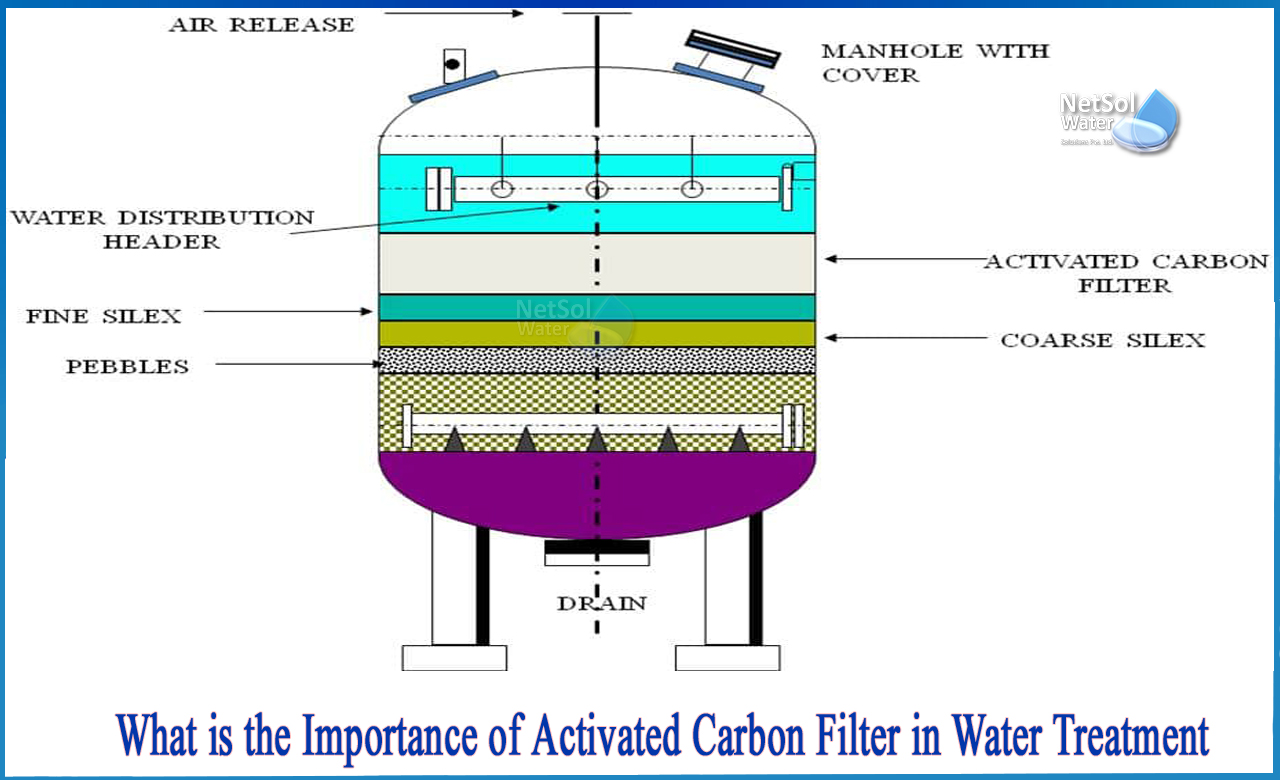 Function Of Charcoal In Home Made Filter at Charlie Ortega blog
So if you’re camping and worried about giardia? Don’t rely on a charcoal filter. You’ll need a proper filter or a way to boil it. But for improving your daily tap water at home? It’s a solid, simple choice.
The Lifecycle of a Sponge
One more cool thing: these filters don’t last forever. Eventually, all those tiny pores fill up with trapped stuff. They become like a parking lot that’s completely full. If the filter stops working, it can actually become a breeding ground for bacteria—feeding off the trapped organic matter.
That’s why you need to change the cartridge or bag regularly. When your water starts tasting a bit off again, that’s your filter shouting, “I’m full! Give me a break!” Most guides say swap it every two to six months, depending on how much you use it.
Is It Worth the Hype?
Honestly, for a few bucks and almost zero effort, activated charcoal filters are pretty cool. They don’t use electricity. They don’t waste water like reverse osmosis systems do. They just sit there, quietly being a molecular bouncer. You pour in tap water, and out comes something that tastes like mountain spring water (minus the actual mountain).
Plus, it’s all natural. Charcoal is made from coconut shells or wood, not scary chemicals. It’s a simple, old-school trick that humans have known about for thousands of years. Ancient Egyptians used it to purify water, and physicians used it to treat stomach issues.
So next time you take a sip of that clear, clean water from your black bottle, you can smile knowing you’ve created a tiny, high-tech hotel for unwanted smells and tastes. And they’re all checked in, while you get the good stuff. Pretty neat, huh?
