Reverse Osmosis Water Filtration System Cost

So, you’re thinking about diving into the world of reverse osmosis, huh? Maybe you’ve seen those sleek under-sink systems online and wondered, “Can my tap water actually taste...
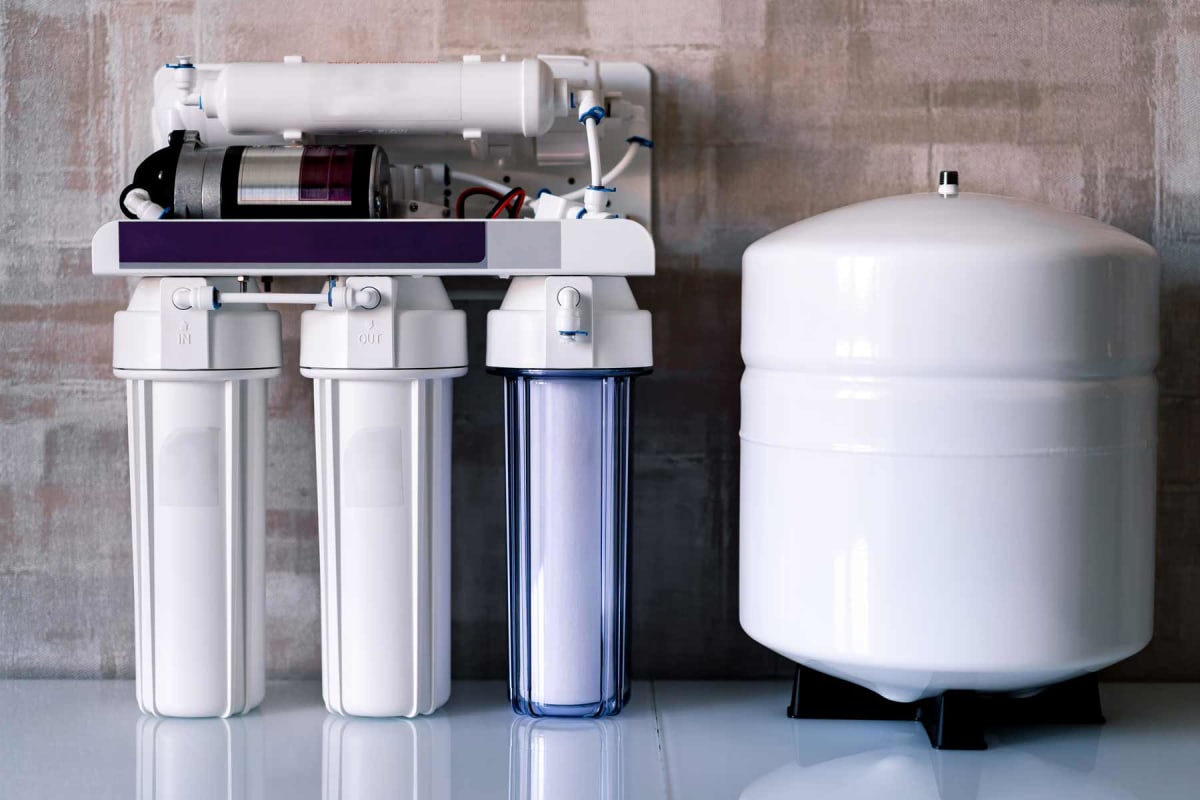
So, you’re thinking about diving into the world of reverse osmosis, huh? Maybe you’ve seen those sleek under-sink systems online and wondered, “Can my tap water actually taste that good?” Let’s be real: the first thing everyone checks is the cost, and it can feel like a jungle of numbers. But don’t worry, we’re just going to mosey through it together, no pressure.
What’s the damage? The upfront price tag.
The big question is always, “How much will this set me back?” For a basic countertop or faucet-mounted unit, you might spend anywhere from $50 to $150. Think of it like buying a really nice coffee maker—one that doesn’t just brew, but also purifies your water.
If you want something a bit more permanent, like an under-sink system, prices usually start around $150 and can easily climb to $600 or more. That’s like the jump from a reliable backpack to a professional hiking pack—both work, but one has all the fancy upgrades and storage pockets.
Must Read
For the total home solution (a whole-house RO system), you’re looking at a whole different ballgame, often $1,000 to $3,000. That’s less like a coffee maker and more like buying a new refrigerator—it’s a real investment in your kitchen’s vibe.
Why is the price so spread out? Size matters, and so do features.
You might be wondering why one system costs three times as much as another. Well, a huge factor is filtration stages. A basic $100 system might have three steps, while a $400 unit might have five or even seven stages, including a fancy alkaline filter to boost minerals. It’s like comparing a two-speed blender to a professional Vitamix—they both blend, but one makes smoother smoothies.
Another biggie is the waste water ratio. Older models waste a lot of water (like 4 gallons wasted for every 1 gallon of pure water). Newer “high-efficiency” models can get that down to 1:1 or even better. That’s like upgrading from an old gas-guzzling car to a zippy hybrid; your wallet (and the planet) will thank you later.
Don’t forget the storage tank. Systems with bigger tanks (like 3 or 4 gallons) cost more, but they also mean you won’t be waiting impatiently for a glass of water after dinner. Think of it like buying a bigger fridge vs. a mini-fridge: convenience is worth something.
The sneaky hidden cost: maintenance and filters.
Here’s where a lot of people get tripped up—it’s not just the initial purchase. Every reverse osmosis system needs new filters. It’s like owning a fish tank: you can’t just set it up and forget about it unless you want questionable results.
 500 Lph Industrial Water Treatment RO Filtration System Reverse Osmosis
Typically, you’ll need to replace the sediment and carbon filters every 6 to 12 months. Those cost about $30 to $80 per year. The real kicker is the RO membrane itself, which lasts 2 to 4 years but costs $50 to $150 to swap out. Pop quiz: that’s roughly $100 to $200 per year in ongoing costs. It’s like a Netflix subscription, except instead of movies, you get crisp, clean water.
Still, consider this: a single bottle of fancy spring water costs around $2. If a family of four drinks 8 glasses a day, that’s a lot of money spent on plastic bottles. Even with the filter costs, an RO system often pays for itself within a year or two. It’s like growing your own tomatoes instead of buying the fancy organic ones at the store—a little effort upfront saves cash and waste over time.
So, is it worth the cost? Let’s keep it chill.
Ultimately, you’re paying for peace of mind. An RO system strips out over 90% of common contaminants like lead, chlorine, fluoride, and PFAS (those “forever chemicals” you hear about). It’s not just about taste; it’s about knowing what’s coming out of your tap is some of the purest water money can buy. That is pretty cool.
If you’re on a tight budget, start with a simple countertop unit. See if you love the taste. If you get hooked, you can always upgrade later. But if you’re a water snob like me, the jump to an under-sink system feels like going from a hotel room to a luxury suite—it’s a noticeable upgrade in your daily life.
So, what’s the final verdict? The cost can be as low as a nice dinner out or as high as a small vacation. But remember, every glass of water you drink is a little victory for your taste buds and your health. And honestly, isn’t that a pretty cool reason to spend a little cash? Cheers to that.
