Difference Between Water And Distilled Water

So, my friend Lisa once called me in a panic. She’d just brewed her fancy pour-over coffee with what she thought was "pure" spring water. "It tastes like a swimming pool!" she...
So, my friend Lisa once called me in a panic. She’d just brewed her fancy pour-over coffee with what she thought was "pure" spring water. "It tastes like a swimming pool!" she wailed. I had to break the news: she’d accidentally grabbed the jug of distilled water meant for her iron.
That moment is a perfect snapshot of why you need to know the difference between regular water and distilled water. They might look identical in a glass, but trust me—your taste buds and your houseplants will absolutely notice. Let’s dive in, shall we?
What is Regular Water, Really?
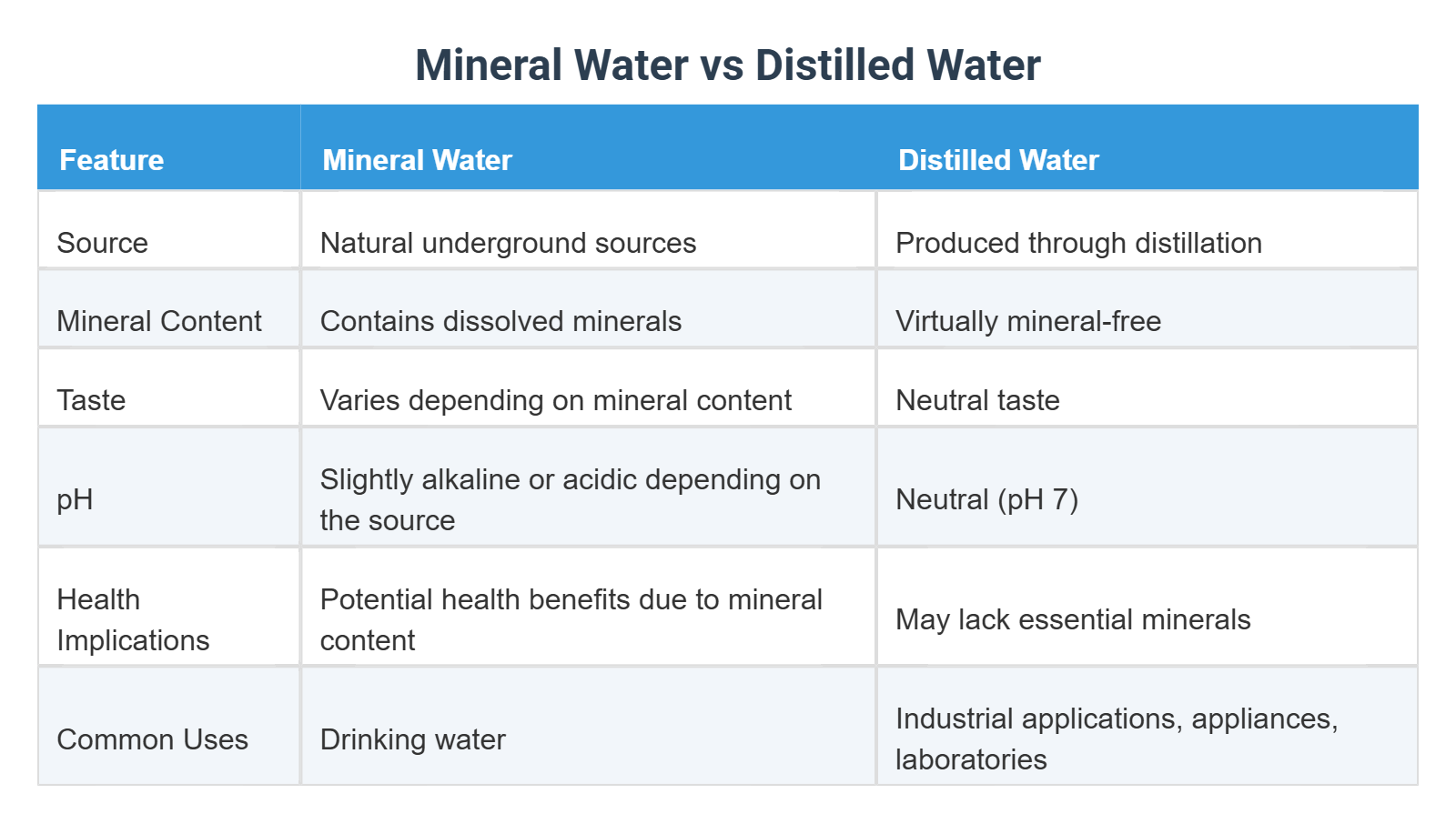
When we say "regular water," we mean tap water, spring water, or bottled drinking water. It’s pretty much H₂O that’s been hanging out with a bunch of other stuff underground or in pipes.
Must Read
That "other stuff" includes minerals like calcium, magnesium, and potassium. It can also have traces of chlorine (for cleaning), fluoride (for teeth), and sometimes a bit of dirt or sediment. Don’t panic—most of this is harmless and even good for you.
Think of regular water like a wild party of molecules. It’s alive, it’s got character, and it’s what your body evolved to drink for thousands of years.
What is Distilled Water? The Lonely Cloud
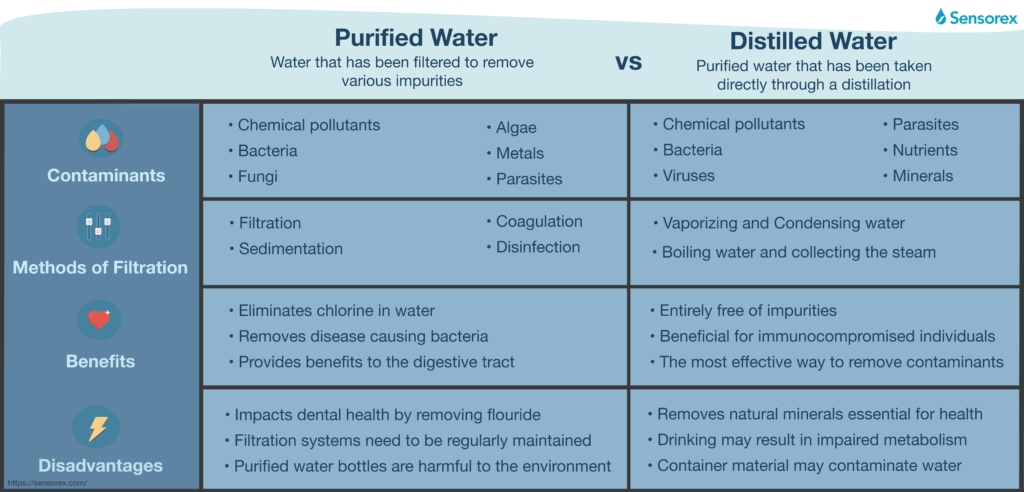
Distilled water is the introvert of the water world. It’s created by boiling regular water into steam, then cooling that steam back into liquid. This process leaves everything else behind—minerals, bacteria, salt, and even that weird taste from old pipes.
So, what you get is pure H₂O. Nothing else. Not a single stray calcium ion. It’s too pure for its own good, honestly. It’s the water equivalent of a blank white room—perfectly clean, but kind of boring.
And here’s the kicker: because it’s so pure, distilled water is actually thirsty. It will try to absorb minerals from whatever it touches, including your mug or your coffee grounds. That’s why Lisa’s coffee tasted flat—the water literally stole flavor compounds and left nothing behind.
The Taste Test (Your Tongue Knows Best)
Pour yourself a glass of tap water. Now pour a glass of distilled water. Take a sip of the tap first—it should feel "full" or "crisp." Now sip the distilled stuff. Blank, right? Almost metallic or slightly bitter?
That flatness is the absence of minerals. Your tongue is used to a little tang from calcium or a hint of sweetness from magnesium. Distilled water is like listening to a song with no bass guitar—technically correct, but deeply unsatisfying.
I always joke that distilled water tastes like the memory of a water droplet. It’s a ghost.
Health Showdown: Which is Better for You?
For drinking, regular water wins, hands down. Your body needs those minerals for everything from muscle function to bone health. Distilled water doesn’t provide them, and over time, it might even leach small amounts from your body. (No, you won’t turn into a raisin, but it’s not ideal.)
 What’s the Difference Between Purified vs. Distilled Water? - Sensorex
Distilled water is the all-star for appliances, though. Your iron, humidifier, and car battery love it because it leaves zero mineral deposits. No scale, no rust, no headaches. For your coffee maker? Ehhh, maybe not. It’ll make weak coffee, but it’ll keep your machine clean.
So the rule is: drink the regular stuff, use the distilled stuff. Unless you’re trying to brew the saddest cup of coffee on earth—then go crazy with the distilled.
Five Quick Scenarios (So You Don’t Mess Up Like Lisa)
1. Your pet’s water bowl. Regular tap water is fine. Distilled water? Some vets say it’s okay in a pinch, but it lacks fluoride and minerals your furball needs. Stick to tap.
2. Your houseplants. Oh boy, this is a trap. Plants love distilled water for a week, then they start looking sad. They need minerals to grow! Only use distilled for super delicate carnivorous plants like Venus flytraps.
3. Baby formula. Pediatricians often recommend distilled or purified water because it’s sterile. But don’t use it exclusively—babies need fluoride for teeth. Check with your doctor.
4. The fish tank. Please, for the love of Nemo, don’t use distilled water. Your fish need trace minerals to regulate their body fluids. They will die. (Actually, they’ll swell up and die from osmotic shock. It’s grim.)
5. A long road trip. If your car’s radiator is low, distilled is perfect. Regular tap leaves mineral crust that can clog your engine. So stash a jug in the trunk—but don’t drink it.
The Bigger Picture: Which One Should You Buy?
Unless you live in a lab or you’re a vintage steam-iron collector, don’t replace your drinking water with distilled. It’s like eating plain white rice for every meal—safe, but boring and nutritionally bankrupt.
Keep a pitcher of filtered tap water in the fridge for drinking, and a smaller bottle of distilled for your iron, humidifier, and maybe a cool science experiment. Your taste buds will thank you, your appliances will thank you, and Lisa will finally stop making emergency calls.
Now go pour yourself a real glass of water. You earned it.
