How Do You Know If Water Softener Is Working

So you bought a water softener. Congratulations! You’re now the proud owner of a gadget that promises to turn your rock-hard tap water into something that won’t slowly petrify...
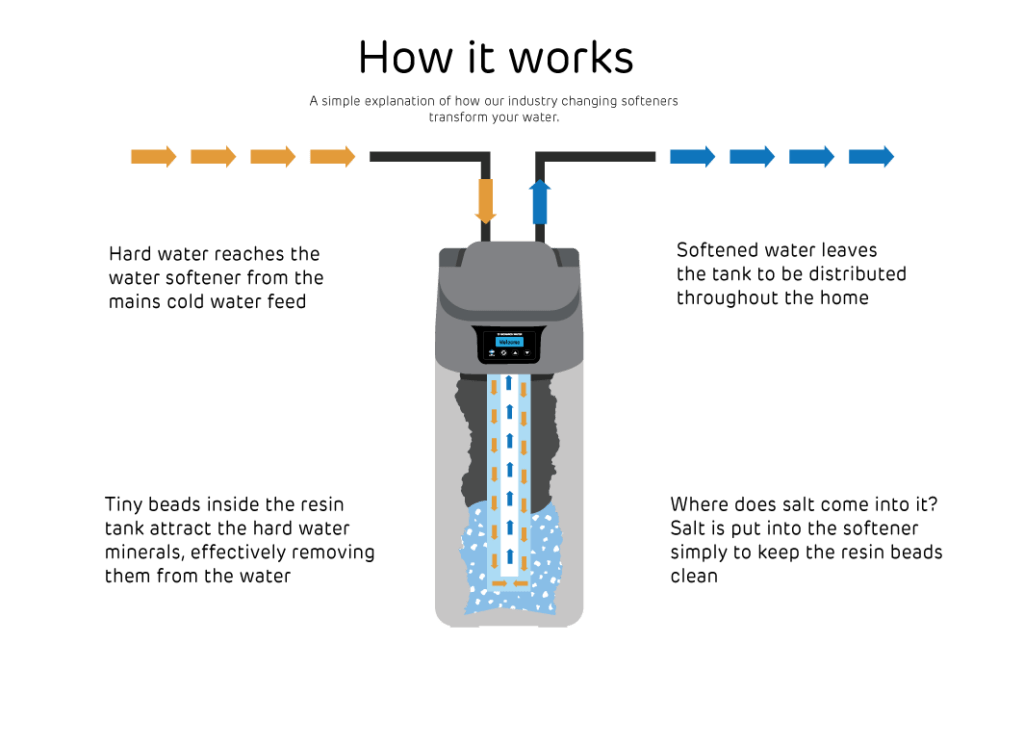
So you bought a water softener. Congratulations! You’re now the proud owner of a gadget that promises to turn your rock-hard tap water into something that won’t slowly petrify your pipes. But let’s be real: how do you know if that expensive box of salt and magic is actually earning its keep? You don’t want to be the person paying for a spa day for your water heater while your shower still leaves you feeling like a crustacean.
Fear not, fellow homeowner. I’m here to help you figure out if your water softener is working—or just sitting there, laughing at you in brine. The first clue is the most obvious and the most satisfying: the soap test. Grab a bar of soap and try to lather up in the shower. If the water is hard, you’ll need to scrub like you’re trying to start a fire with wet sticks, and you’ll still feel a film of scum on your skin. But with soft water? A tiny smear of soap creates a creamy, billowy lather in seconds. It’s like the soap finally decided to do its job.
If your hands feel squeaky-clean—almost too slippery—that’s a good sign. Hard water leaves a residue that feels tacky; soft water leaves you feeling like you just applied a coat of frictionless grease. It’s weird, but it’s proof. Pro tip: If you have a glass shower door, check for spots. No spots? Your softener is likely winning the war against mineral crust. Spots everywhere? You might have a traitor in your utility closet.
Must Read
But what about the science part? Let’s get nerdy for half a second. Water softeners work by swapping magnesium and calcium ions for sodium ions. You can test the water with a simple hardness test strip from a hardware store. Dip it in, wait a few seconds, and compare the color to the chart. If it shows zero or very low hardness, congratulations—your machine is doing its job. If it shows high hardness, your salt tank might be empty, or your resin bed is a sad, exhausted sponge.
Here’s a surprising fact that will blow your mind: hard water actually makes you use more soap. The minerals in hard water react with soap to form a sticky, insoluble goo called soap scum. So your conditioner bottles, dish soap, and laundry detergent all run out faster when your softener is broken. If you’re suddenly buying a new bottle of Tide every week, your softener might be having a crisis. Conversely, if your shampoo suddenly lasts twice as long and your skin doesn’t feel like sandpaper, pat that machine on its metallic back.
The Fingerprint Test and the Glassware Trick
Have you seen those memes about “hard water hands” that feel like you’re wearing invisible gloves? It’s real. Rub your fingers together after washing them with hard water—they feel sticky and weird. Soft water leaves your fingers feeling almost unpleasantly smooth, like you just dipped them in olive oil. If your hands feel like a newborn baby’s bottom, your softener is working. If they feel like you just grabbed a fistful of sand, something’s wrong.
Also, check your glassware. Pull a clean glass from the cabinet. If it’s covered in a hazy, rainbow-tinged film when dry, that’s calcium carbonate from hard water. Crystal clear glass? Thank your softener. If the tumbler looks like it’s wearing a permanent fog coat, you might need to manually add salt or reset the unit. Oh, and if your coffee maker suddenly stops having that white crusty buildup inside? Your softener is the silent hero we all needed.
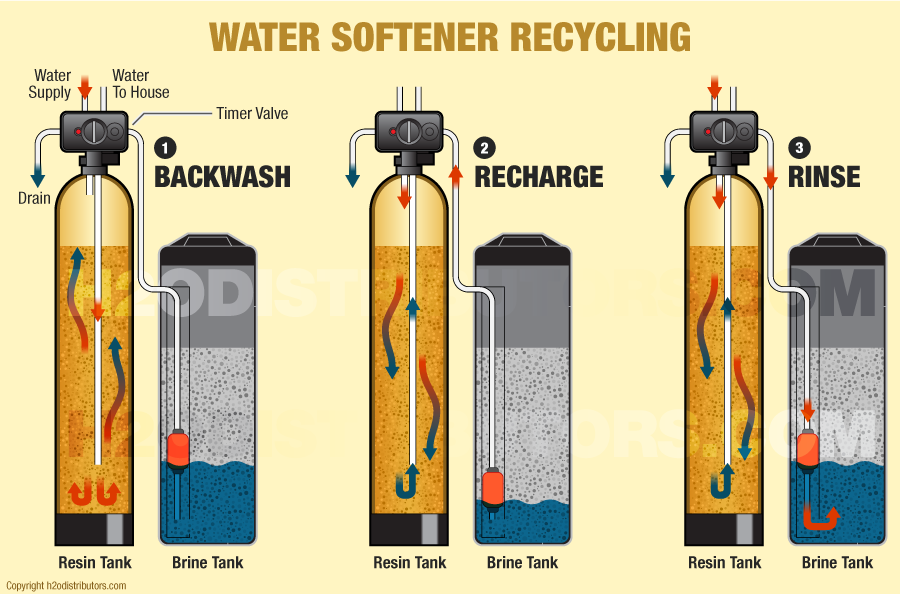 How Water Softeners Work Diagram Water Softener System With Automatic
The Salt-Licking Conspiracy
Let’s address the elephant in the brine tank: you should not taste your water to see if it’s salty. That’s a myth. A properly functioning softener adds only a tiny amount of sodium—about 20-30 milligrams per glass, which is less than a slice of bread. You won’t taste salt unless the unit is broken and dumping brine into your pipes. If your water tastes like a gulp of ocean, you have a problem. That’s not working; that’s a malfunction. In that case, call a plumber before your morning coffee makes you feel like you’re marinating.
But here’s the most fun test: the sudsy spaghetti test. Fill a pot with water from your tap and try to boil pasta. Hard water takes forever to reach a rolling boil (thanks, minerals) and leaves a white film on the pot. Soft water boils faster and leaves your pasta shiny and slippery. If your noodles come out looking like they just left a vat of silk, your softener is flexing. If they look drab and starchy, your water is still hard as a brick.
Now, a quick reality check: softeners don’t last forever. Most resin beads need to be cleaned or replaced every 10–15 years. If you’ve got an ancient unit from the Clinton administration, it might be working so poorly that you don’t even know what soft water is anymore. You’ve just been living with “slightly less murderous” water. Check the manufacturer’s manual or call a pro if you suspect your unit has reached fossil status.
Finally, the ultimate test: listen to your clothes dryer. Hard water makes fabric stiff and scratchy because mineral residue clings to fibers. After a softener, your towels should feel fluffy, not like sandpaper. If your jeans are still standing up on their own in the corner, your softener is either broken or you’re secretly washing your clothes with sand. Pay attention to the lint trap, too—less gray dust means less mineral buildup. It’s not poetic, but it’s science.
So there you have it. You don’t need a PhD in plumbing to know if your water softener is working. Just look for soap lather, clear glassware, and towels that don’t double as exfoliating mitts. And remember: if your water tastes like the ocean, something is very, very wrong. But if it feels like a baby’s kiss and makes your coffee taste like heaven’s nectar, your softener is the unsung hero of your home. Give it a little salt. It deserves it.
