Reverse Osmosis System With Remineralization

Your Tap Water’s New Best Friend: The Reverse Osmosis Remineralization Squad Okay, let’s talk about water. I know, it sounds boring, but stick with me. You’ve probably heard o...

Your Tap Water’s New Best Friend: The Reverse Osmosis Remineralization Squad
Okay, let’s talk about water. I know, it sounds boring, but stick with me. You’ve probably heard of Reverse Osmosis (RO) systems, those fancy under-sink gadgets that claim to make your tap water taste like it’s from a pristine mountain stream.
They’re amazing at removing everything from lead to weird chemical smells. But here’s the dirty little secret: plain RO water is basically a blank slate. It’s so pure it’s almost too pure—like a celebrity with no personality.
That’s where the remineralization stage swoops in to save the day. Think of it as the water’s personal life coach—putting back the good stuff that makes it healthy and tasty.
Must Read
Wait, Why Does Pure Water Need a Makeover?
Imagine eating a French fry with zero salt. That’s what drinking straight RO water can feel like. It’s flat, a little weird on your tongue, and honestly? Your body misses the minerals.
See, while RO strips away bad guys like chlorine, fluoride, and heavy metals, it also kicks out beneficial minerals like calcium and magnesium. These aren’t just for fancy spa water—they help with bone health, muscle function, and even give water that crisp, “yum” taste.
A remineralization filter is like throwing a tiny mineral party in your water glass. It adds back just the right amount, so you get the best of both worlds: pure, clean water that actually tastes good.
The “How Does It Work?” Part (But I Promise It’s Fun)
Picture a three-step VIP pass for your water. First, the water gets pushed through a semi-permeable membrane—like a bouncer at an exclusive club who only lets water molecules through, while kicking out all the riff-raff (dissolved solids, bacteria, etc.).
Then, the now-super-pure water flows through a remineralization cartridge. This is usually packed with calcite or magnesium media—basically little rocks that slowly dissolve into the water. Science is just fancy rock-spice.
Finally, that water hits your glass with a balanced pH (usually around 7.5 to 8.0) and a subtle, silky sweetness. It’s like the water equivalent of getting a bonus dessert after a healthy meal. You’re welcome.
But Is It Worth the Counter Space? (Spoiler: Yes)
Let’s be real—these systems take up a little real estate under your sink. You might have to say goodbye to that collection of old sponges. Worth it.
The biggest win is taste. You know that weird plastic taste from some bottled waters? Gone. That metallic twang from tap? Vanished. You’re left with water so smooth, you’ll actually want to drink more water. And your skin and hair will throw you a high-five.
Plus, think of the plastic waste you’ll save. No more buying packs of plastic bottles. You become a mini eco-warrior, one glass of delicious, mineralized H2O at a time.
The “I’m a Coffee Snob” Edition
Here’s a little secret the coffee nerds know: water chemistry matters for brewing. If your water is too pure (straight RO), your coffee tastes flat and sour. Add some minerals back, and suddenly your morning brew has body, sweetness, and actual flavor notes beyond “burnt.”
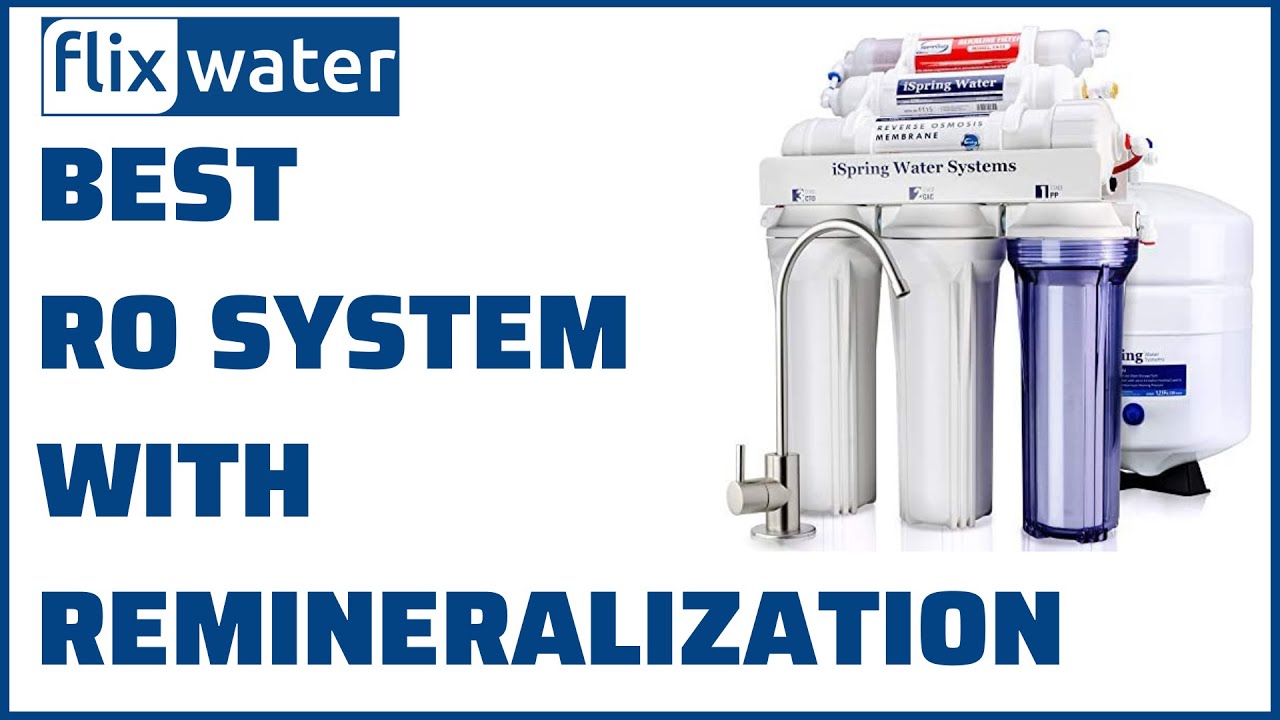 Best Reverse Osmosis System With Remineralization - YouTube
A remineralized RO system turns your kitchen into a high-end café. Your espresso shots will have a silky crema. Your tea will taste like the garden it came from. You’ll probably start wearing a beret and talking about “terroir” unironically.
But seriously, foodies and home cooks rave about it. Even your ice cubes will be so clear and tasty, you’ll feel fancy just dropping them into a glass of tap water. Champagne vibes for zero hangover.
Any Downsides? (Okay, Maybe One or Two)
Sure, these systems aren’t cheap upfront—think $150 to $400+ for a good one, plus filter replacements every 6 to 12 months. But compare that to buying bottled water for years? You save mad cash over time.
Also, the reminerlization cartridge does need periodic replacing. It’s like changing the batteries in your TV remote—annoying for five minutes, but then you forget about it.
And finally, if you live in a house with very hard water, you might need a pre-filter first. But most systems are designed to handle it. The payoff? Your pipes stay cleaner, your appliances love you, and your water tastes like a gentle hug.
The “Wait, I Can Remineralize My Own Water?” Myth
You could theoretically drop a pinch of sea salt into a glass of RO water. But let’s be honest: you won’t. You’ll forget, or you’ll over-salt it and create ocean-flavored sadness.
A built-in system does it automatically, like a robot butler. It’s effortless, consistent, and you never end up with a “whoops, that’s too much mineral” mouthful. Convenience wins every time.
Plus, storage tanks in some systems keep the water fresh and aerated. No more weird, stagnant-tasting water from a bottle left in the sun. Your future self will thank you.
The Uplifting Conclusion (You’ve Earned This)
So here’s the thing: drinking water is one of the simplest, most boring acts we do every day. But it’s also one of the most important. Getting a Reverse Osmosis System with Remineralization isn’t just about fancy tech—it’s about loving yourself enough to drink something that tastes like joy.
Every time you fill your glass, you’re choosing health, flavor, and a little bit of magic. You’re saying, “I deserve water that makes my cells dance.” And you do.
So go ahead. Treat your tap water to a makeover. Let it shine with calcium and magnesium, laugh at boring bottled water, and become the person who actually looks forward to drinking water. Your body? It’ll thank you with better energy, clearer skin, and a permanent little smile whenever you take a sip. Cheers to you, you magnificent, well-hydrated human. 🥤
