Drinking Water Purification Systems For Home

So there I was, staring into a glass of water like it was a crystal ball. It looked fine. Clear, maybe a little boring. But then I thought about that weird, faint smell of ble...

So there I was, staring into a glass of water like it was a crystal ball. It looked fine. Clear, maybe a little boring. But then I thought about that weird, faint smell of bleach from the tap this morning and suddenly my throat closed up. You know the feeling? I couldn’t take a sip.
That’s when I realized: my tap water had officially become a suspicious character in my own kitchen. I needed a serious upgrade, and fast. Turns out, I wasn’t alone in this paranoid little drama.
Welcome to the wild, wet world of home drinking water purification systems. It’s less about fancy gadgets and more about peace of mind. But let’s be real—the options can make your head spin faster than a bad faucet filter.
Must Read
The Clear and Present Problem
Your tap water has a secret life. It’s been on a journey through pipes, treatment plants, and maybe even a few questionable reservoirs. Yeah, I’m looking at you, mysterious sediment.
Most municipal water is technically safe. But “safe” doesn’t mean “tastes great” or “smells like a mountain spring.” Chlorine, lead, copper, and the ghost of last week’s rainfall can all hitch a ride right to your glass.
You might not taste it. But your body? It knows. And honestly, why settle for “safe” when you can have actually delicious?
Pitcher Filters: The Gateway Drug
Let’s start small. The classic Brita pitcher is like that first coffee you bought in college—a humble beginning. It’s cheap, easy, and sits proudly in your fridge. But does it actually work? Kind of.
Pitchers use activated carbon to grab chlorine and some bad tastes. They’re great for casual drinkers. But they won’t touch heavy metals, pesticides, or bacteria. That’s fine for a rental apartment, but a bit weak for a water snob.
Also, you have to refill them. Constantly. Like a slow, watery Groundhog Day. Are you ready for that commitment?
Faucet-Mounted Filters: The Honest Middle Child
Next up: the filter that screws right onto your tap. It’s practical, a little clunky, and does the job without a big footprint. I had one for a year—it made my morning coffee taste like actual coffee, not chemical soup.
These usually combine carbon filtering with a little sediment screen. They’re affordable and require zero installation drama. But they slow down your water flow like a traffic jam on a Monday. And that bulky plastic thing on your faucet? Not exactly a kitchen beauty queen.
Still, if you want a quick fix without drilling holes, this is your buddy. Just remember to change the cartridge every few months or you’re basically drinking the past.
Under-Sink Systems: The Next Level
Now we’re talking serious business. An under-sink system hides away in your cabinet like a secret agent for clean water. It uses multiple stages—carbon, sediment, sometimes a reverse osmosis membrane—to strip out almost everything. It’s the black belt of purification.
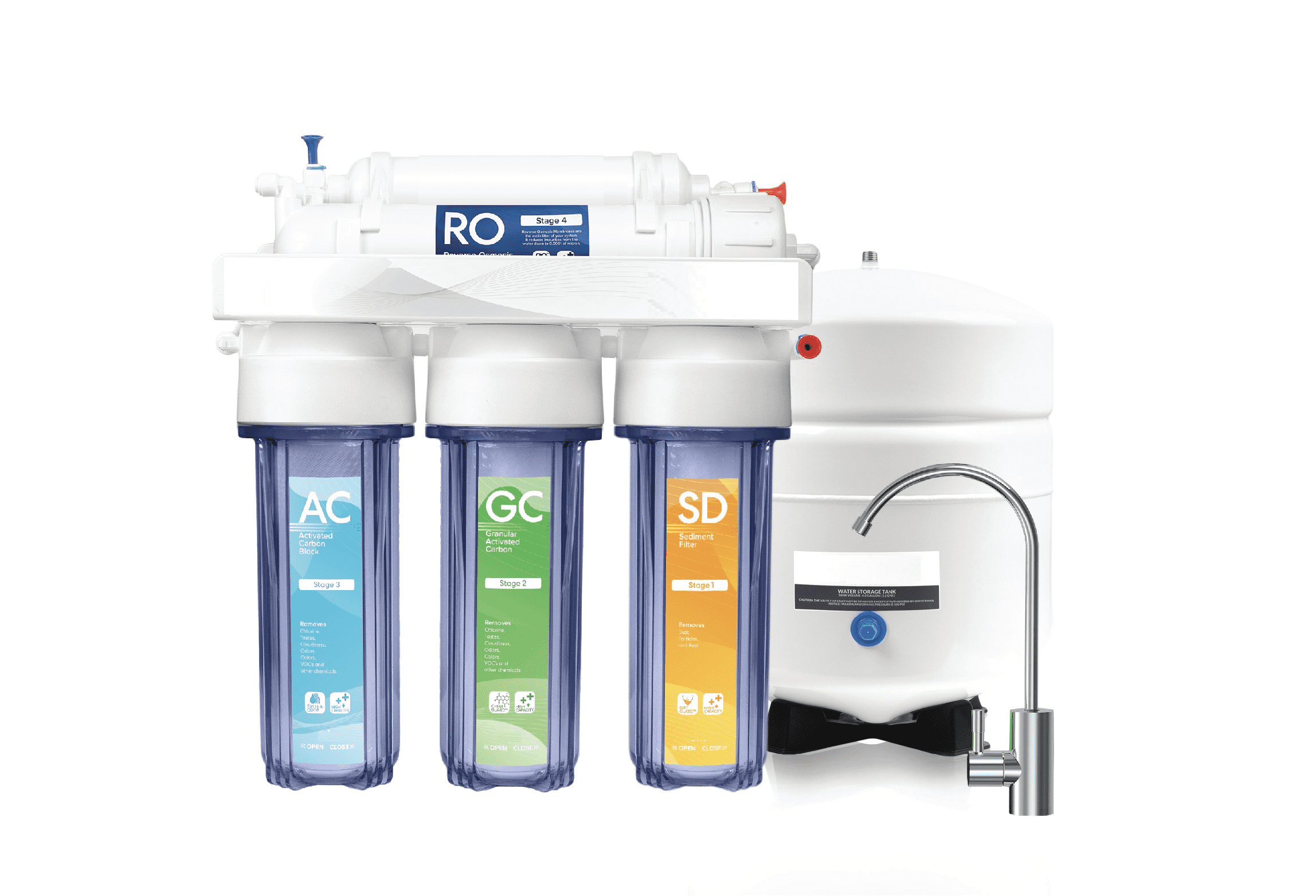 5 Stage: Complete Home Reverse Osmosis Drinking Water Filtration System
Reverse osmosis is the big gun here. It pushes water through a super-fine membrane that blocks lead, arsenic, fluoride, and even some viruses. The result is water so pure it makes you wonder if you’re hydrating or doing science. Spoiler: it’s both.
Downsides? You’ll need some space under the sink, and installation might require a plumber if you’re not handy. Also, these systems waste a bit of water—like a guilty eco-sinner. But for crystal-clear, chef-level H2O? Totally worth the cabinet real estate.
Countertop Units: The Show-Offs
Don’t want to crawl under the sink? Countertop filters plug right into the faucet and sit pretty on your counter like a smart speaker for water. They often use a carbon block or even an ultraviolet light to kill microbes.
I have one that looks like a sleek spaceship. It dispenses filtered water on demand, no storage tank needed. Instant gratification for the thirsty generation. Just be ready to trade counter space for cleanliness.
The trade-off is real: they take up room, and you have to look at them all day. But if you want something easy to install and maintain, this is your low-drama option.
Whole-House Systems: The Overachiever
This is the gold plated, “I’m not messing around” approach. A whole-house system filters water at the main line, so every drop—shower, washing machine, toothbrush—gets the treatment. Fancy, right? And expensive.
You’ll get sediment filters, carbon tanks, and sometimes a water softener. It stops scale buildup in your pipes and makes your skin feel like silk. But you’ll need space the size of a small refrigerator and a budget that might make you choke.
Unless you live in a mansion or have well water that tastes like a swamp, this is overkill. But if you’ve got the cash and the commitment, your water will be legendarily pure.
So, Which One Is for You?
Look at your life. Are you a renter? A pitcher or faucet filter is your fast, cheap friend. Do you own your home and drink water like it’s your job? An under-sink system will change your mornings. You already know which category you fall into.
The important thing is to start somewhere. I bought a simple countertop system last month, and now I guzzle water like a happy sponge. My paranoia? Gone. My taste buds? Finally satisfied.
So go ahead—give your tap water a performance review. It might be time for an upgrade. Your future self, sipping something gloriously clean, will thank you.
