Disinfection System For Wastewater Treatment

Let’s be honest—wastewater treatment doesn’t sound like the life of the party. It’s more like that quiet guy in the corner at a barbecue who secretly handles all the gross stu...
Let’s be honest—wastewater treatment doesn’t sound like the life of the party. It’s more like that quiet guy in the corner at a barbecue who secretly handles all the gross stuff so everyone can enjoy their burger. But here’s the kicker: the disinfection system in a treatment plant is basically the superhero cape of the whole operation. Without it, your morning shower, that cold glass of tap water, and even your toilet flush would be a lot more interesting—and not in a good way.
The “last line of defense” you never knew you needed
Think of disinfection as the final bouncer at a nightclub for water. By the time wastewater reaches this stage, it’s been through a lot—screening out trash, settling solids, and even having hungry bacteria eat the gunk. But just like you wouldn’t let a rowdy drunk past the velvet rope, you don’t want any lingering germs, viruses, or parasites slipping into your drinking water. That’s where disinfection systems step in, giving those microscopic troublemakers the boot.
If you’ve ever tried to host a party and forgot to take out the trash for a week, you know the stench is real. Wastewater treatment is like that, but on industrial steroids. The disinfection stage is the moment when the water finally stops smelling like a teenage boy’s gym bag and starts smelling like… well, nothing. And that’s a beautiful thing.
Must Read
UV light: The vampire killer of the water world
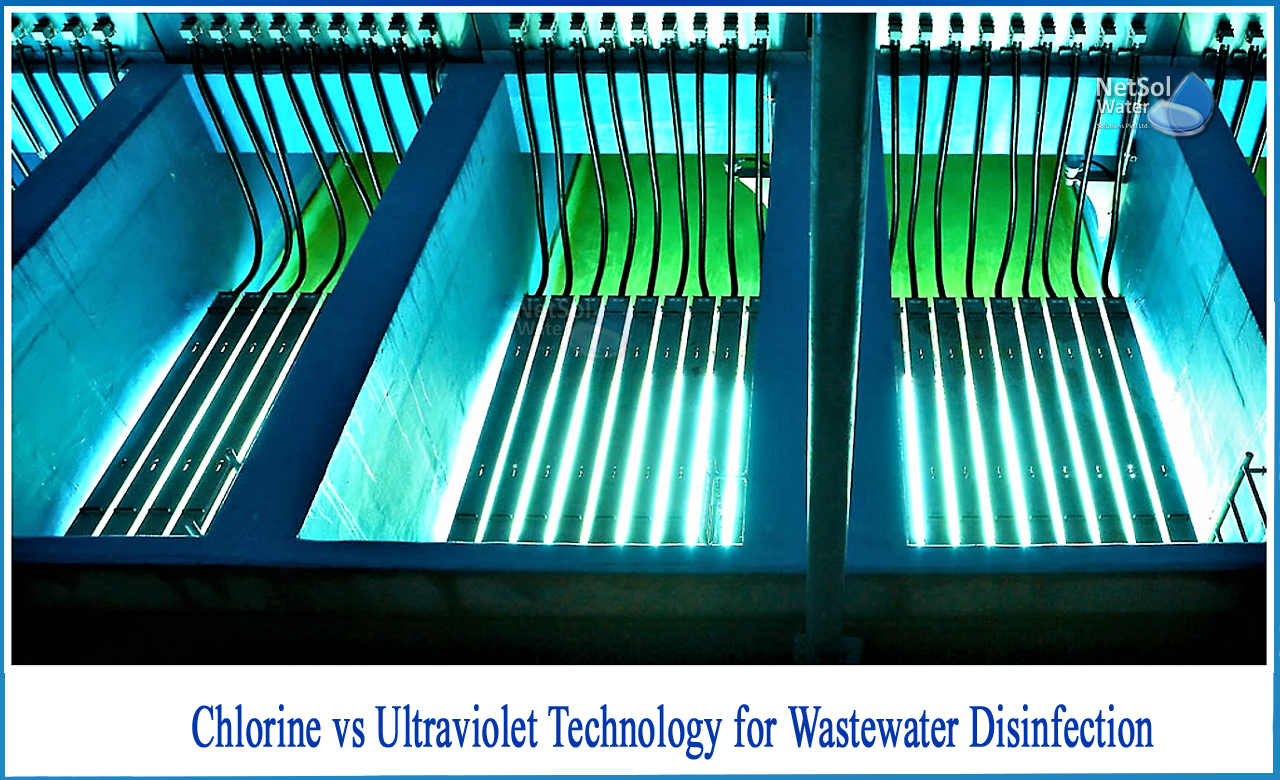
One of the most common disinfection methods is ultraviolet (UV) light. Imagine a tanning bed for water, except instead of making you look like a lobster, it just annihilates all the pathogens. UV light literally scrambles the DNA of bacteria and viruses, leaving them as harmless as a deflated balloon. It’s like the water gets a cosmic sunburn that kills everything nasty—without the peeling skin or bad tan lines.
I once visited a treatment plant where the operator proudly showed me the UV array. He said, “This thing is basically a giant blacklight from a rave, but instead of making your white sneakers glow, it makes E. coli go poof.” I couldn’t stop laughing, but he was dead serious. UV systems are low-maintenance, chemical-free, and about as dramatic as a golden retriever. They just work.
Chlorine: The old-school, pool-smelling workhorse
Then there’s chlorine—the granddaddy of disinfection. You know that sharp smell at a swimming pool? That’s not just chlorine; it’s chlorine mixing with sweat and pee, but let’s not go there. In wastewater, chlorine is added in precise doses to zap pathogens. It’s like giving the water a good, strong mouthwash, except it doesn’t taste minty. It tastes like “don’t drink this yet.”
But here’s the funny part: after chlorine does its job, you have to dechlorinate the water before releasing it into a river or lake. Why? Because even clean water doesn’t want to feel like it’s swimming in bleach. It’s like washing your hands with antibacterial soap—great for killing germs, but you don’t want that residue all over your sandwich. So treatment plants add another chemical to neutralize the chlorine. Talk about an overcomplicated party trick.
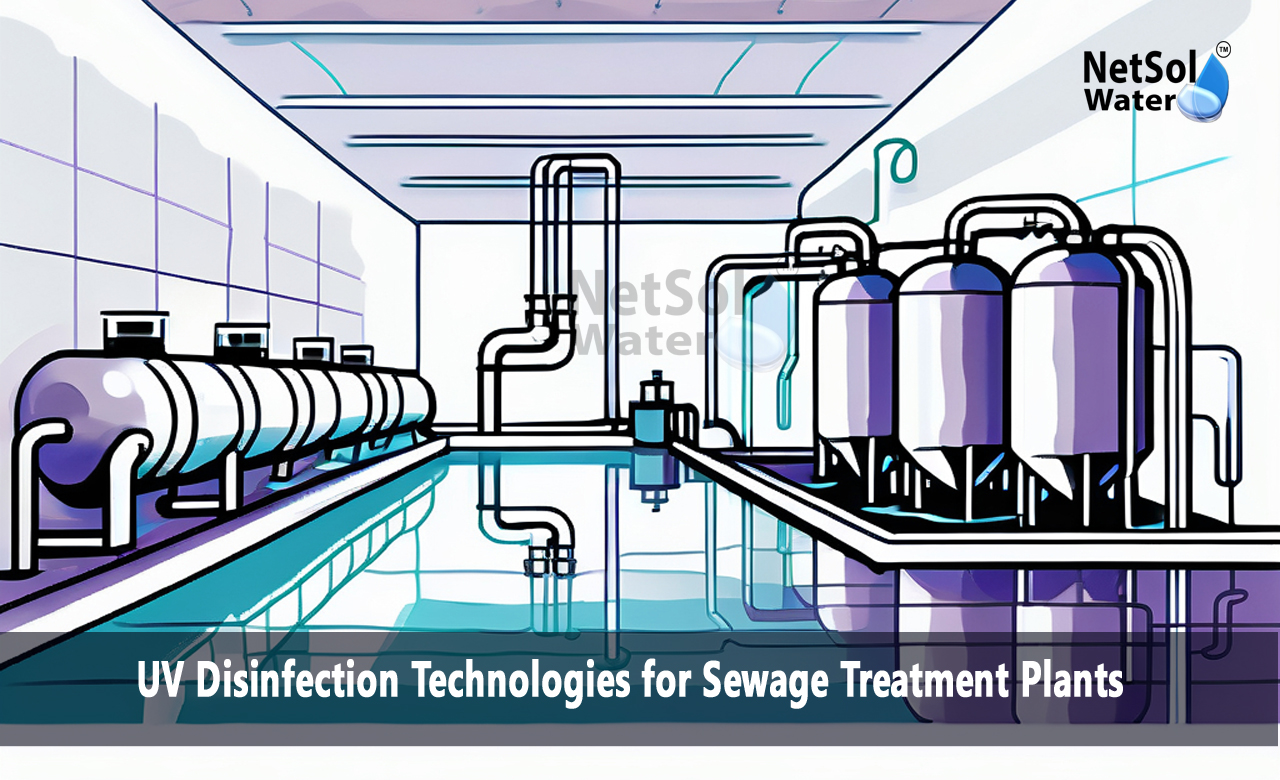 UV Disinfection Technologies for Sewage Treatment Plants
Life without disinfection? A horror movie.
Imagine your local river turning into a petri dish. Without disinfection, every time you flushed a toilet, that water would eventually make its way back to you—full of salmonella, hepatitis, and whatever your neighbor’s kid had for lunch. Disinfection systems are the reason you can splash water on your face after a jog without getting a third eye. It’s not glamorous, but neither is wearing gloves to open a public restroom door.
I once heard a story about a town that skipped disinfection for a week as a “test.” Within days, the local creek turned murky green, and a duck actually looked like it was coughing. The operator later said, “Never again. I’d rather scrub a thousand grease traps than see that duck sad.” True story, probably.
Ozone: The show-off with a lightning bolt
For the fancy folks, there’s ozone disinfection. Ozone is basically supercharged oxygen created by zapping air with high voltage—think of it as the water treatment version of a Tesla coil. It’s incredibly effective, blasting away germs in seconds, and it doesn’t leave a chemical aftertaste. The downside? It’s expensive and complicated, like that friend who only eats organic kale and insists on making their own kombucha. You admire their dedication, but you’re also like, “Dude, just use a UV lamp.”
What it means for your morning coffee
Every time you brew a pot of coffee, you’re trusting that the water has been disinfected. That tap water traveled from a river, through a treatment plant, went through screening, settling, biological digestion, and finally a disinfection system—all so you don’t get a side of cholera with your caffeine. It’s the unsung hero of your daily routine. And while you’re grumbling about the price of bottled water, remember: your tap water is cleaner than most bottled stuff, thanks to those UV tubes and chlorine tanks working overtime.
So next time you flush, shower, or—heaven forbid—take a sip from a garden hose, give a little nod to the disinfection system. It’s the silent, slightly awkward, but absolutely essential part of your day. And it probably smells way better than your gym bag.
