Commercial Water Filtration Systems For Home

Let’s be honest: tap water is a gamble. One day it tastes like a crisp mountain stream, and the next, it reminds you of a swimming pool that’s seen better days. You’re not ima...
Let’s be honest: tap water is a gamble. One day it tastes like a crisp mountain stream, and the next, it reminds you of a swimming pool that’s seen better days. You’re not imagining it. That metallic tang or faint chlorine aroma is your municipal water supply waving a tiny flag, saying, “Hey, I’m treated, but I’m not a spa.”
I used to chug it down with a grimace, thinking, “This is fine. This is hydration.” Then I visited a friend’s house, and their water tasted like angel tears filtered through a rainbow. I asked, “What’s your secret?” They pointed to a sleek, metallic box under the sink, looking like a mini robot designed to judge my life choices.
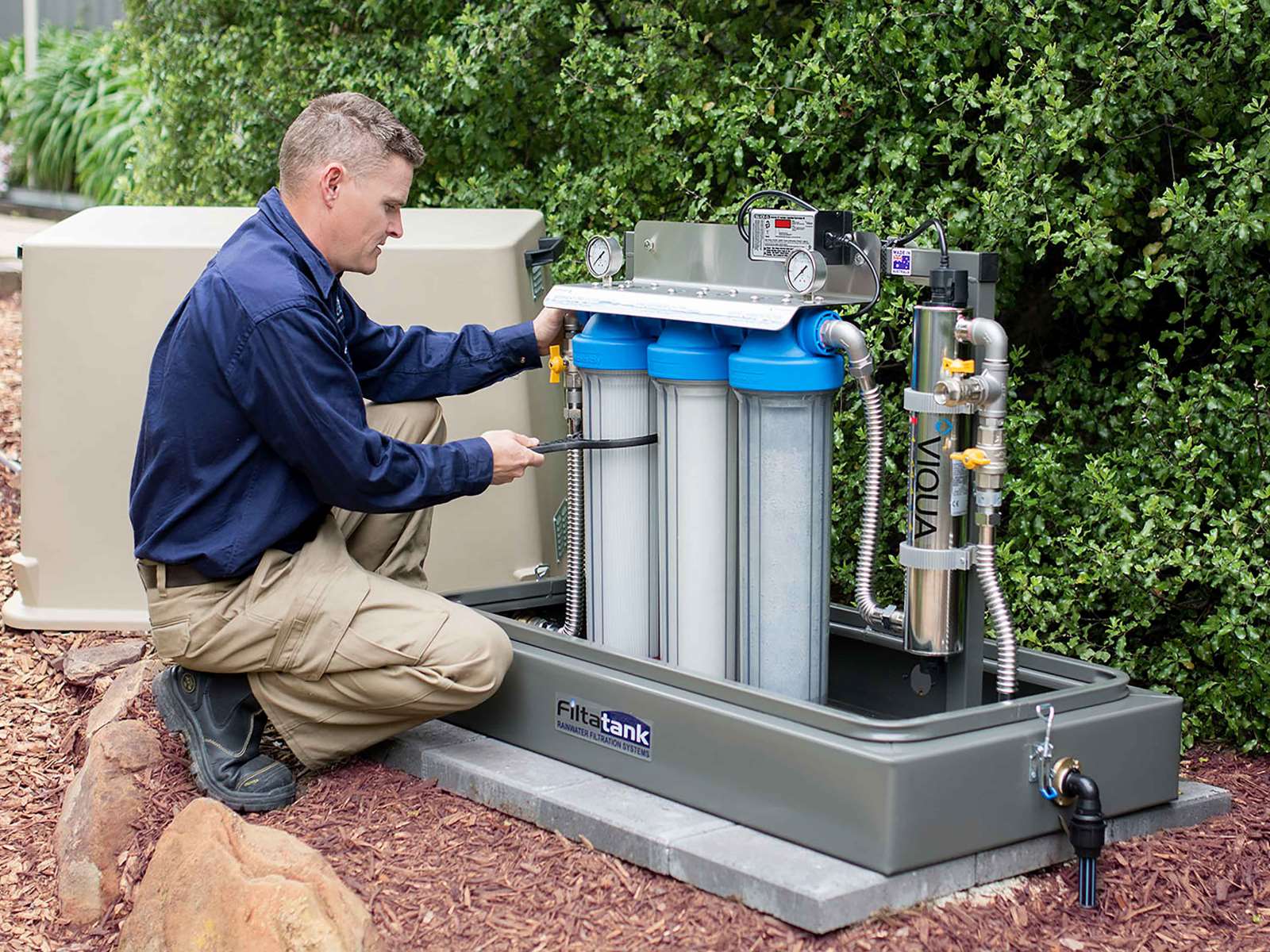
That was my first introduction to commercial water filtration systems for home. Yes, the same heavy-duty tech used in restaurants and labs, but now living in a suburban kitchen. It’s like putting a Ferrari engine in your minivan. Overkill? Maybe. Glorious? Absolutely.
Must Read
Why Your Water Needs a Bouncer
Think of your tap water as a party guest. It shows up with friends—chlorine, lead, pesticides, rust, and that weird sediment that looks like tiny sand grains. Commercial filtration systems are the bouncers at that party. They check IDs, kick out the riffraff, and only let pure H2O past the velvet rope.
I remember the first week after installing a system. I poured a glass, held it up to the light, and it was so clear I felt like I was looking into the soul of a glacier. No smell, no taste, just… nothing. Water that didn’t taste like anything. Which, ironically, is exactly what good water should taste like.
It’s the difference between a lukewarm gas station coffee and a pour-over from that hipster café. Both are technically coffee. Only one makes you feel like you’ve got your life together.
The “Wait, My Coffee Is Better Now” Effect
Speaking of coffee, let’s talk about the real kicker: your morning brew. I used to buy expensive beans and still ended up with a cup that tasted vaguely like burnt regret. Turns out, your coffee is 98% water. If your water is funky, your coffee is funky, no matter how much you tip the barista in your soul.
After the filtration system, my first cup of coffee made me gasp. It was smoother, richer, and actually tasted like the flavor notes on the bag—notes I previously thought were marketing lies. “Hints of chocolate and caramel”? Now I believed it. My wife said, “Did you change the brand?” I said, “No, I changed the attitude of the water.”
Same goes for iced tea, lemonade, or even boiling pasta. Pasta cooked in filtered water? Italian grandmothers everywhere just felt a disturbance in the force. It’s a silent upgrade to everything you drink and cook.
The Installation: Less Scary Than IKEA Furniture
I’ll admit, I was terrified of installation. I imagined a weekend of wrenches, leaks, and calling a plumber while crying. But most commercial home systems are surprisingly simple. They hook up under your sink with a dedicated faucet that looks like a tiny chrome spaceship.
My friend helped me install mine in about an hour. We played some classic rock, spilled a little water on the floor, and argued about whether to use Teflon tape. It was the most satisfying hour of home improvement I’ve ever had, because once it was done, I could drink from the faucet without holding my breath.
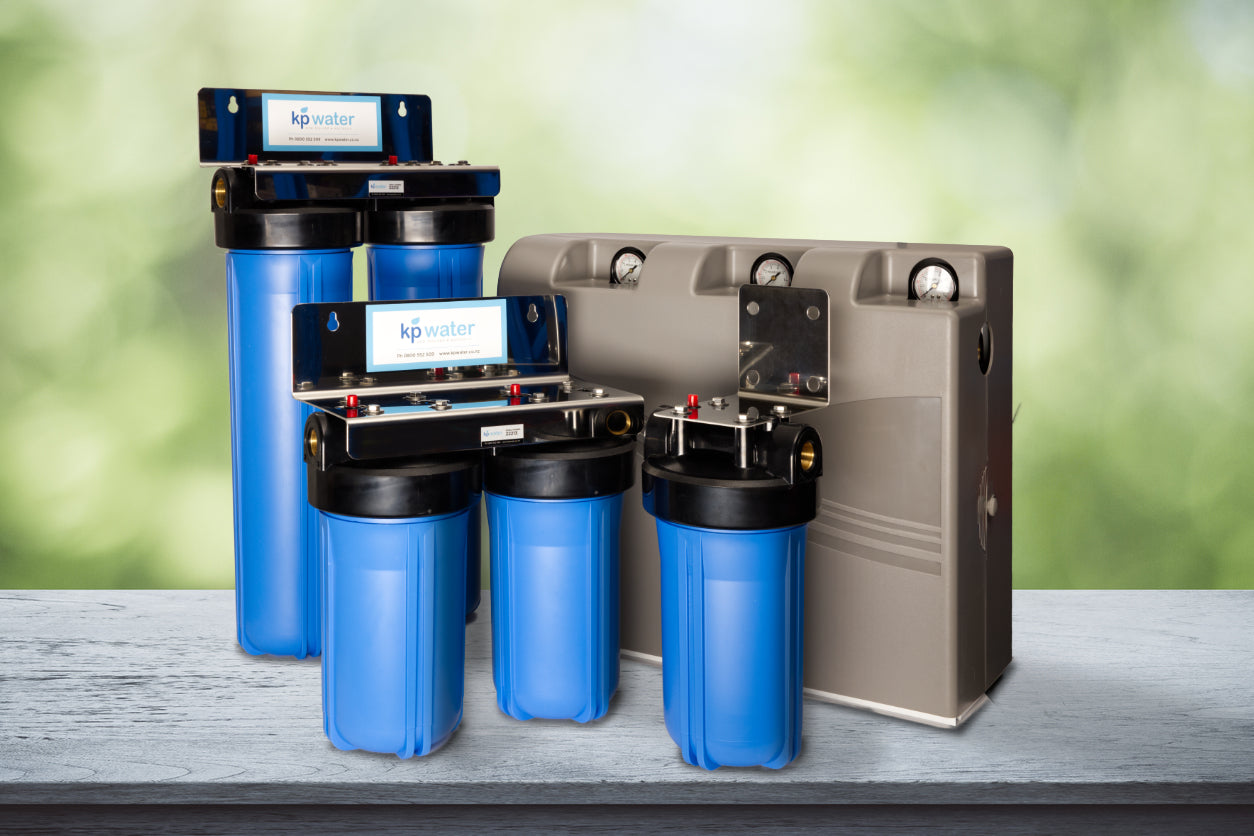 KP Water Filters NZ | Whole Home Water Filtration Systems
No more buying huge plastic jugs from the grocery store. No more wrestling those jugs into the fridge, only to have them land on your foot. That plastic jug lifecycle is a cycle of pain. This is the escape hatch from that pain.
The “You’re Literally Rich” Feeling
There’s a strange psychological effect: every time you fill a glass from that dedicated faucet, you feel a little bit like a fancy billionaire. It’s water, but it feels exclusive. Like you’re sipping from a secret spring that only you know about.
You also stop buying bottled water for the car. Suddenly, the idea of spending two dollars on a single plastic bottle seems absurd. You have a limitless supply of premium water at home. It’s the equivalent of having an unlimited soda fountain in your pantry, but healthier and less sticky.
And the taste change? It’s not subtle. It’s the difference between a motel shower and a rainforest waterfall. You’ll notice it in your tea, your soup, even your ice cubes. Clear, odorless ice cubes that don’t smell like last night’s fish dinner.
Is It Worth the Money? Let’s Do the Math (Very Casually)
Look, these systems aren’t cheap. They run from a few hundred to a few thousand dollars, depending on how much you want to filter out. But consider this: you’re buying a permanent bottle refill station that never runs out and doesn’t require you to change a heavy jug.
If you spend even ten dollars a week on bottled water—and let’s be real, many of us spend more—that’s over $500 a year. In two years, the system pays for itself. Plus, you never have to hear that plastic-crinkle sound in the recycling bin again. Your ears will thank you.
So, is a commercial water filtration system for home the right move? If you’ve ever wrinkled your nose at a glass of tap water, the answer is probably “Yes, and you deserve it.” It’s one of those upgrades that feels like a treat but actually makes your daily life much, much easier. And tastier. And a little bit bougie, in the best way.
Go on. Give your tap water a promotion. Your taste buds—and your coffee—will throw you a parade.
