Commercial Building Water Filtration Systems

So, my friend Dave—the guy who thinks a “fancy” coffee is adding oat milk—recently got a job managing a downtown office tower. Day one, he calls me, panicked. “The water from...
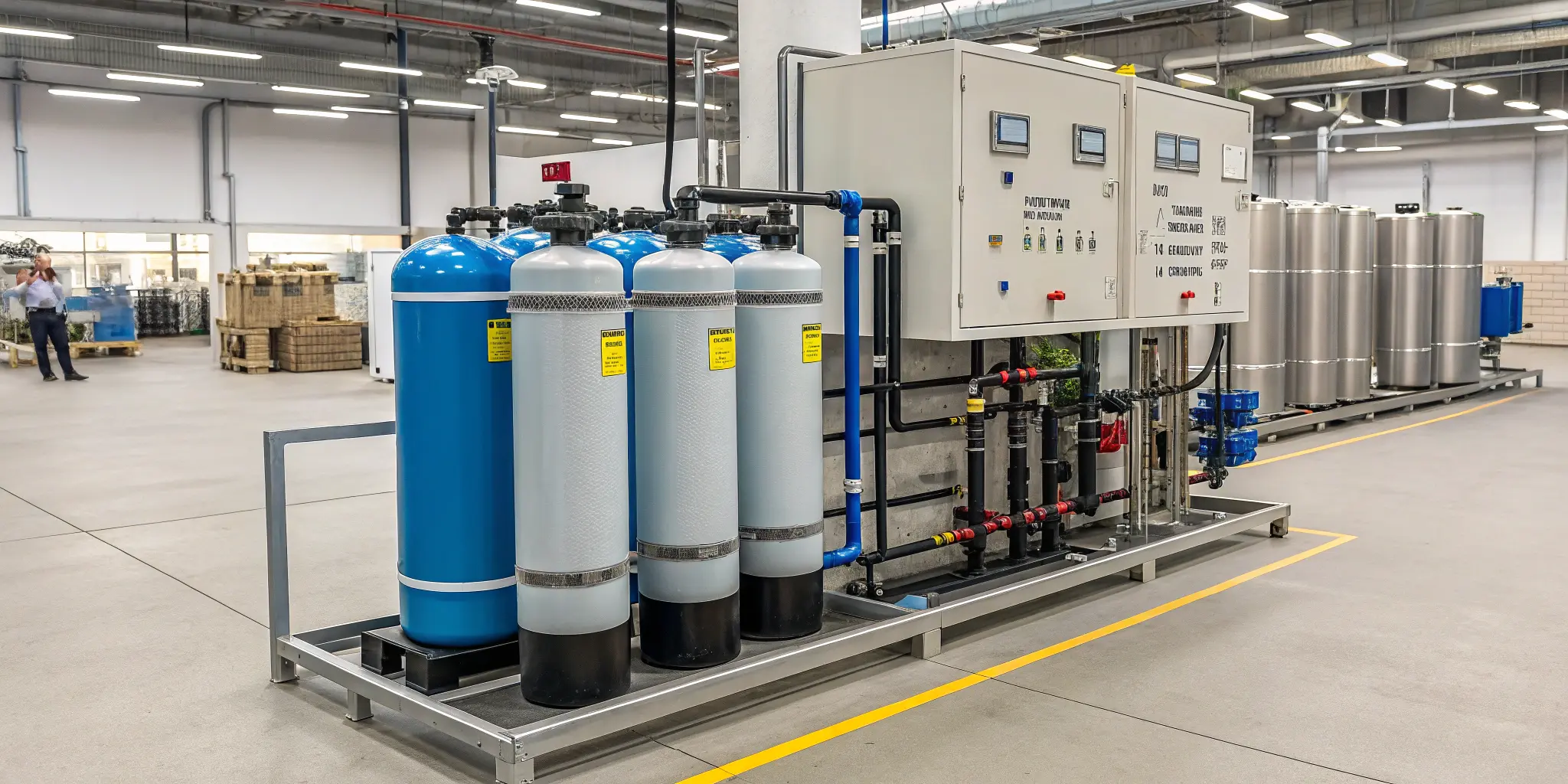
So, my friend Dave—the guy who thinks a “fancy” coffee is adding oat milk—recently got a job managing a downtown office tower. Day one, he calls me, panicked. “The water from the 20th-floor breakroom tastes like a metal band’s tour bus,” he whispered, “and the finance guy’s espresso machine just seized up. Solid, like a rust brick.”
Dave’s crisis isn’t unique. It’s the dirty little secret of commercial real estate: every building is a giant, vertical pipe system—and over time, those pipes shed. Rust, sediment, biofilm, even tiny shreds of old gaskets. Your office water isn’t just “water.” It’s a smoothie of plumbing history.
That’s where commercial building water filtration systems come in. Not the cute little Brita pitcher in the breakroom fridge (please, that’s for personal use). I’m talking about the heavy-duty stuff: whole-building, point-of-entry systems that treat every single drop before it hits a faucet, a toilet, or—God forbid—Dave’s espresso machine.
Must Read
The “Why” You Probably Never Considered
Think about your office coffee. It tastes off, right? A little bitter? That’s not the beans. That’s chlorine and dissolved solids from the city supply, reacting with the coffee oils. Great filtration makes great coffee. Simple math.
But it gets weirder. That buildup of scale in your water heater? That’s costing you real money. A 1/16th-inch layer of scale can increase energy consumption by 10-15%. Filters stop that before it starts. They’re not an expense; they’re a profit center disguised as a pipe.
And the toilets? The urinals? Hard water leaves those orange, crusty rings that send your maintenance crew running. A good system means less cleaning, fewer repairs, and happier tenants. (Yes, tenants notice clean toilets. They really, really do.)
What’s Actually in the Box? (The Nerdy Part)
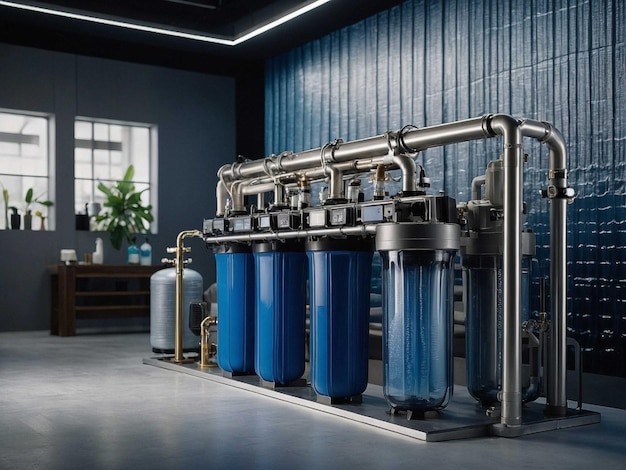
Most commercial systems are modular. You’ll see a sediment filter first—catches the sand, rust flakes, and that mysterious black grit that looks like pepper. Then a carbon block for chlorine, taste, and odor. That’s the baseline.
For buildings with seriously hard water, you need a water softener. It uses salt to swap calcium and magnesium for sodium. Your showers will feel silkier. Your dishwashers will stop looking like a flaky skin condition. You’re welcome.
For the truly paranoid or the tech HQ? You go reverse osmosis. This forces water through a membrane so tight it rejects almost everything—including viruses, lead, and PFAS “forever chemicals.” Are you an office that serves sparkling water on tap? You’ll need this. It’s the Dyson vacuum of filtration: expensive, over-engineered, but kinda beautiful.
The Hidden Trauma of Old Pipes
Here’s the kicker: even if your incoming city water is pristine (it isn’t), once it enters your building, it picks up heavy metals from copper and lead solder in old pipes. This isn’t a conspiracy; it’s basic chemistry. Water is the universal solvent. It wants to dissolve things.
 commercial building water filtration systems
I visited a 1970s office tower last month. They tested their water and found lead at 5 times the EPA limit. Nobody drank it, but they cooked with it. They washed baby bottles in the breakroom sink. The building manager had no idea. A $2,000 whole-building filter fixed it overnight. Scared? You should be. That’s the real story.
Choosing the Right System (Without a Science Degree)
First, get a water test. Not from the tap—from three different floors. Are you fighting sediment, chlorine, hardness, or lead? Each enemy needs a different weapon. Don’t guess; data is your friend.
Next, think about flow rate. A system for a 5-story building with a café needs to handle multiple showers and dishwashers at once. Undersize it, and you’ll get pathetic pressure during the morning rush. Oversize it, and you’ve wasted capital. This is where a real plumber—not your cousin with a socket wrench—matters.
And for the love of all that is good, don’t forget maintenance. Filters clog. Carbon gets exhausted. If you install a fancy system and never change the cartridges, you’re just giving sediment a nice place to grow bacteria. Ew. Schedule swaps on your calendar. Set reminders. Seriously.
The Bottom Line (Yes, There’s Sarcasm)
You might read this and think, “My office is fine. We have bottled water.” Oh, really? Those plastic bottles cost about $1.50 per gallon. A filtered tap costs pennies. Plus, you’re drowning the planet in plastic for water that’s probably less clean than what comes out of a good commercial filter. Irony alert.
Dave finally installed a system. Three weeks later, he emailed me: “The finance guy’s espresso tastes like vacation.” That’s the dream, friends. Good water, happy people, fewer maintenance calls.
Now go check your breakroom sink. If the water smells like a swimming pool? You know who to call. (Hint: not me. Call a water treatment company. You’re welcome.)
