Distilled Water Versus Reverse Osmosis Water

Let’s be honest—most of us don’t spend a lot of time thinking about the water that comes out of our tap. It’s wet, it’s cold, and it does the job. But then you start reading l...
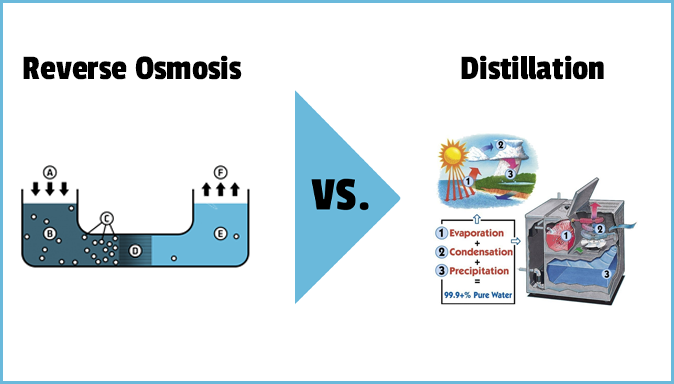
Let’s be honest—most of us don’t spend a lot of time thinking about the water that comes out of our tap. It’s wet, it’s cold, and it does the job. But then you start reading labels on bottled water, or a friend starts talking about their fancy new countertop filter, and suddenly you’re wondering: “Wait, what’s the difference between distilled water and reverse osmosis water?” Don’t worry, I’ve got you covered. We’re going to break this down like we’re chatting over a cup of coffee—just without the weird science jargon.
Think of distilled water like a very intense spa day for your H2O. You boil the water until it turns into steam, then you catch that steam and let it cool back into a liquid. It’s like sending your water on a solo vacation where it leaves all its baggage—minerals, bacteria, and even that weird metallic taste—behind. The result is water that’s so pure it almost feels too clean, like a hotel room that’s been scrubbed with bleach.
Now, reverse osmosis water is more like a high-tech bouncer at a club. It pushes water through a super-fine membrane that blocks almost everything bigger than a water molecule. Think of it as a very picky doorman who says, “Sorry, chlorine, you’re not on the list. And you, lead, you’re definitely not getting in.” It’s a popular choice for under-sink filters and those big water cooler jugs you see in offices.
Must Read
Here’s where it gets personal: what does this mean for your morning coffee? I once made coffee with distilled water because I ran out of tap. Big mistake. It tasted flat and sad, like the coffee had lost its soul. That’s because distilled water is so pure it craves minerals, and it actually pulls them out of your coffee grounds, making the flavor weak. Reverse osmosis water, though? That’s a different story.
Reverse osmosis removes the bad stuff but often keeps a tiny amount of good minerals (depending on your system). Your coffee will taste cleaner and brighter—a lot closer to what the roaster intended. It’s like the difference between listening to music on a cheap phone speaker versus a decent pair of headphones. You don’t realize what you’re missing until you hear the clarity.
But wait—what about your houseplants? My friend Karen has a prized orchid that she treats like royalty. She once used distilled water for two weeks. The orchid threw a fit, its leaves turning yellow. Turns out, plants actually need trace minerals like calcium and magnesium. Distilled water is like feeding a child nothing but air—it’s pure, but nutritionally bankrupt. Reverse osmosis water is usually fine, as long as you add a little fertilizer now and then.
So, which one should you actually care about?
Let’s be real: most of us aren’t scientists or hydration monks. We just want water that tastes good and won’t slowly wreck our appliances. If you’re using a humidifier or a CPAP machine, distilled water is your best friend. It won’t leave white mineral dust all over your bedroom furniture or gunk up your machine. It’s the responsible choice for gadgets that need pristine water.
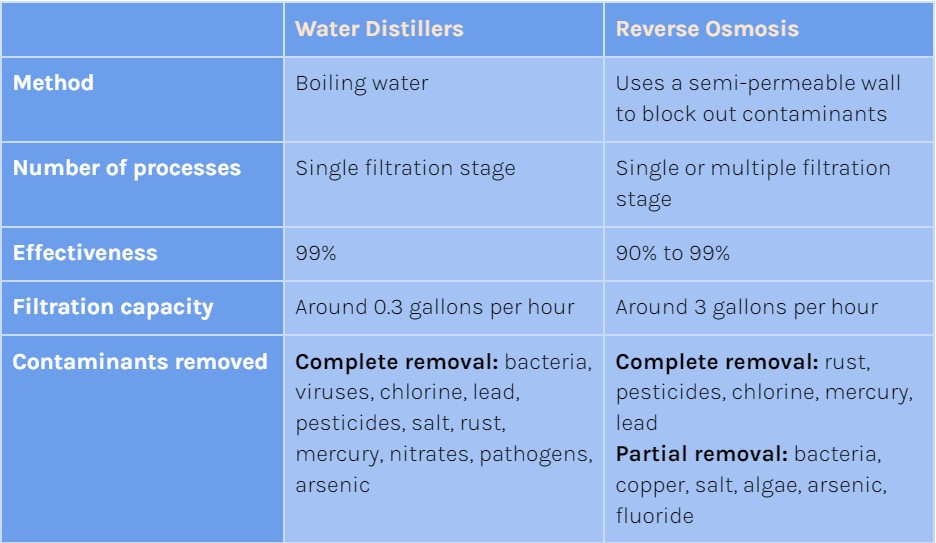 What do you use distilled water for? - Dr Alice Williams
For everyday drinking, reverse osmosis is the crowd-pleaser. It’s what you get at most grocery store refill stations, and it usually costs less than distilled. Plus, it doesn’t make your tea taste like a chemistry experiment. I switched to a countertop reverse osmosis filter last year, and I swear my iced tea tastes crisper—like I’m sipping it on a patio in the south, not my kitchen in the suburbs.
But here’s a little secret: do you absolutely need either one?
Probably not. Tap water in most developed countries is perfectly safe and already treated. But if you live somewhere with hard water (hello, Midwest and Southwest), or if your pipes are older than you are, going the extra mile with reverse osmosis can make a huge difference. It’s like owning a car that’s reliable but has a dent—you don’t have to fix it, but life feels smoother when you do.
One final story: I once had a roommate who bought a big jug of distilled water because he thought it was “healthier.” He drank it for a month and started feeling sluggish. He went to the doctor, and guess what? His electrolyte levels were a bit off. The doctor told him, “You’re literally flushing minerals out of your body.” So, don’t drink distilled water every day unless you’re under a doctor’s orders. It’s like eating plain rice—it’s pure, but you’ll miss the flavor and the nutrients.
At the end of the day, reverse osmosis is the practical hero for most of us. Distilled water is the specialist—great for science labs, ironing, and baby bottles, but not your daily go-to. So next time you’re standing in the water aisle at the store, you can smile and pick the one that fits your life. And hey, if you’re still confused, just fill a glass from the tap. It’s probably fine. Cheers to that.
