What Water Filtration System Removes Fluoride

Okay, let’s talk water. Specifically, let’s talk about that weird, slightly controversial mineral: fluoride. You know, the stuff they put in toothpaste and, in some places, yo...
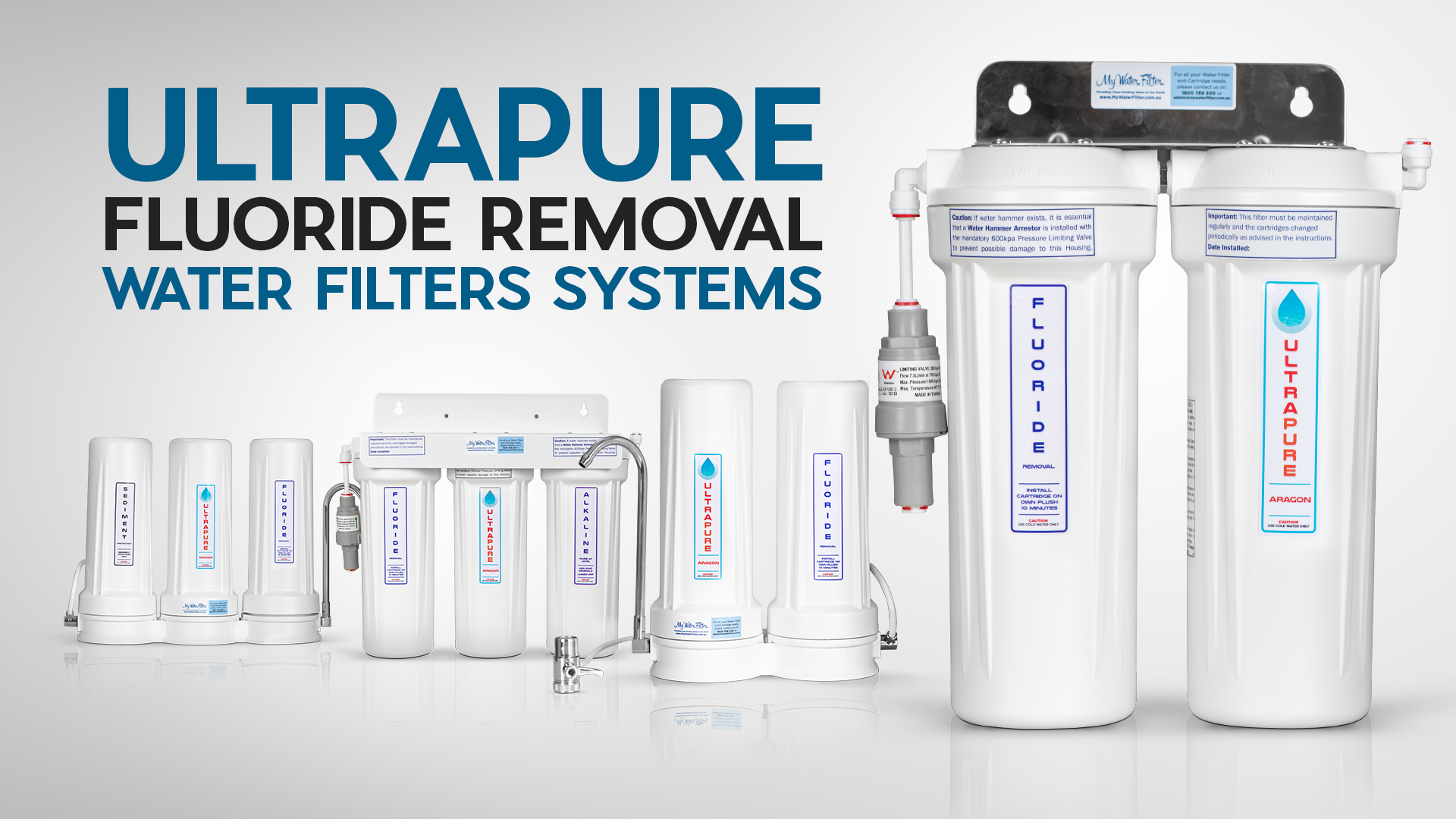
Okay, let’s talk water. Specifically, let’s talk about that weird, slightly controversial mineral: fluoride. You know, the stuff they put in toothpaste and, in some places, your tap water.
Maybe you’re not a fan of that last part. Maybe you’ve been down a rabbit hole or two. Maybe you just want crystal-clear water that’s yours. Whatever the reason, you’re here asking: What water filtration system actually removes fluoride?
Spoiler alert: it’s not your average Brita pitcher. Sorry, friend. That thing is great for taste, but fluoride? It’s basically a hard pass for those little carbon filters.
Must Read
The Big Three: Your Fluoride-Fighting All-Stars
So, if your basic pitcher is out, what’s in? You have three main contenders. Think of them as the heavy hitters of the water world. They don’t mess around.
First up: Reverse Osmosis (RO). This is the gold standard, the superstar. It uses a semi-permeable membrane to shove water through under pressure, leaving almost everything behind—including fluoride.
Is it dramatic? Yes. It can waste a bit of water and it’s a whole under-sink system. But if you want completely stripped-down H₂O, this is your jam. It removes 90-99% of fluoride. You’ll feel like a chemistry wizard.
Distillation: The Old-School Boil-Off
Next is distillation. It’s the method your grandma might have used, but with a fancy machine. You boil the water, catch the steam, and let it condense back into pure liquid.
Here’s the thing: fluoride is heavier than water, so it gets left behind in the boiling pot. It’s like evicting the mineral. The downside? It’s slow, uses electricity, and makes the water taste a bit “flat.”
But hey, if you have the patience of a saint and love a science experiment, this works. It removes around 99% of fluoride. You’re basically a cloud-maker.
Activated Alumina: The Sneaky Specialist
Last but not least, we have Activated Alumina. Don’t let the “alumina” scare you—it’s just a fancy aluminum oxide. This stuff is a selective ninja. It specifically targets fluoride like it has a personal vendetta.
You usually see it in specialized gravity-fed filters or as part of a bigger system. It doesn’t remove everything, just fluoride and a few other nasties. The catch? You have to replace the media regularly. But for targeted work, it’s brilliant.
The Wannabes: What Doesn’t Really Cut It
Let’s clear the air about some common mistakes. A standard carbon filter (like in your fridge or a pitcher) is great for chlorine and bad tastes. It is not great for fluoride. It might remove maybe 10-20% if you’re lucky, but don’t bank on it.
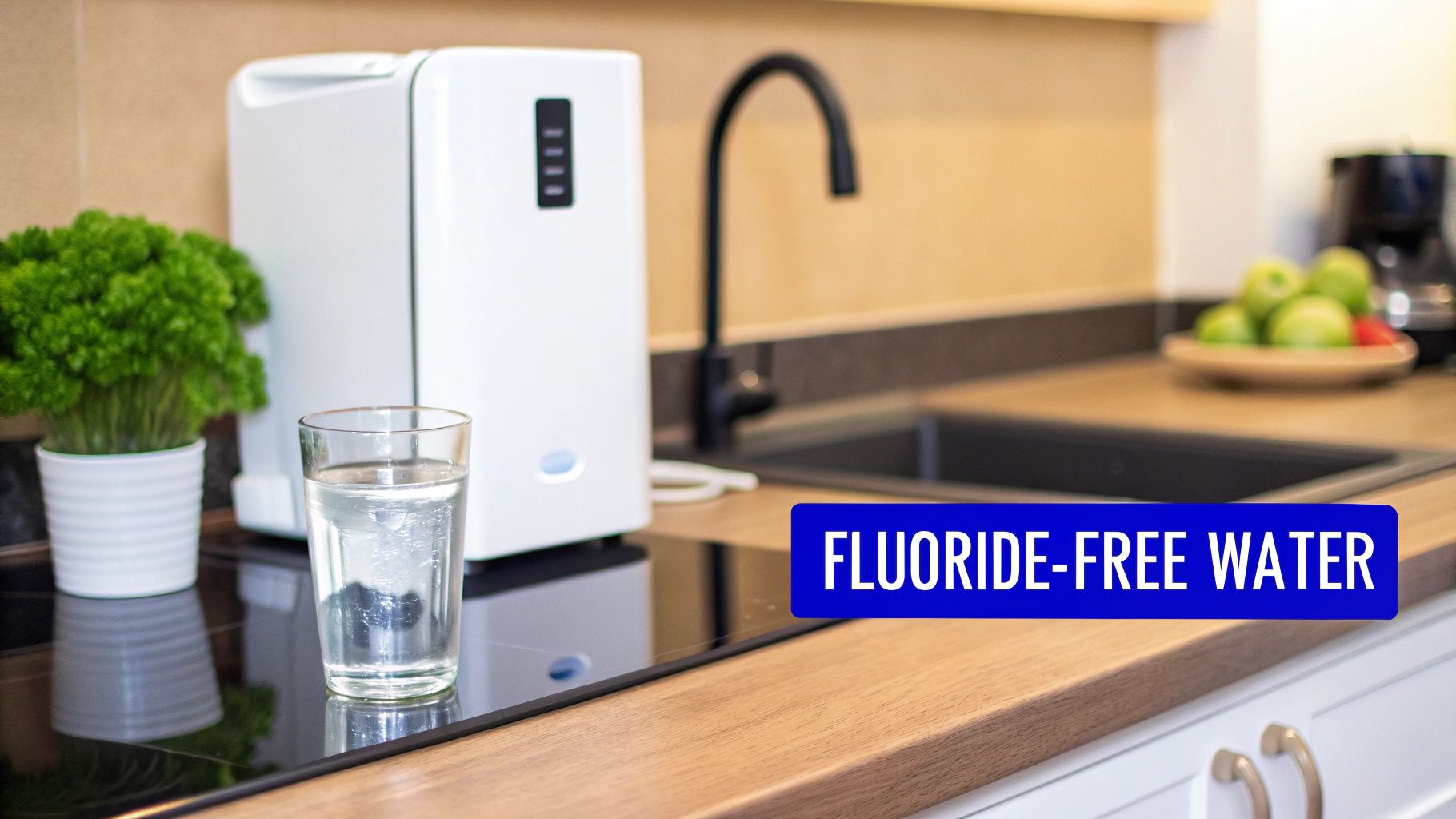 A Guide to the Best Water Purifier That Removes Fluoride in Australia
What about ceramic filters? Nope. Those are for bacteria and sediment, not dissolved fluoride. And UV filters? Please. They kill germs, not minerals. You’d have better luck trying to filter fluoride out with a pasta strainer. (Don’t try that, by the way.)
So, Which One is Yours?
Here’s where you get to decide based on your life, not a lab manual. Do you want the total package? Get a Reverse Osmosis system. It’s the most common, most trusted, and it makes your coffee taste like a dream.
Are you a minimalist with a grudge against fluoride specifically? Try a countertop distiller. It’s like a tea kettle that judges your tap water. Just add a pinch of salt or minerals back in for taste.
On a budget or renting? Look for a carafe or faucet attachment that specifically mentions Activated Alumina. They exist, they’re real, and they won’t require a plumber. Just read the fine print!
A Little Honest Talk (Because We’re Friends)
Here’s the kicker: not all RO systems are identical. Some crap ones might only remove 80%. You want a system with a “membrane rejection rate” of 96% or higher. Don’t be shy—ask the manufacturer directly. They love that stuff.
Also, be prepared for a little mineral loss. Pure water can be a bit aggressive, literally. Some RO systems add a remineralization filter at the end. It’s like giving your water a little spa treatment after its harsh purifying journey.
The Bottom Line (No Pun Intended)
To remove fluoride, you need to move past the basics. Your simple filter is not enough. You need Reverse Osmosis, Distillation, or a dedicated Activated Alumina filter.
So, go forth and hydrate. But hydrate smart. And maybe buy a TDS meter just for fun—you’ll feel like a real water detective. I promise it’s way more satisfying than it sounds.
Got any questions? You know where to find me. In the meantime, keep your water clear and your expectations crystal. Cheers!
