Mayo Clinic Cold Brew Vs Iced Coffee Caffeine

The other morning, I stumbled into my kitchen, barely sentient, and poured what I thought was my usual iced coffee over a mountain of ice. Two sips in, I felt like I’d been pl...
The other morning, I stumbled into my kitchen, barely sentient, and poured what I thought was my usual iced coffee over a mountain of ice. Two sips in, I felt like I’d been plugged directly into a wall socket. Turns out, my husband had swapped my batch with his cold brew, and my heart was now trying to escape my ribcage.
That jittery surprise got me thinking. And Googling. And then, inevitably, I ended up reading the Mayo Clinic’s official take on these two caffeinated giants. Because nothing says “fun Saturday morning” like diving into medical research about your favorite pick-me-up, right? (Trust me, it’s more entertaining than it sounds—especially if you’re already overcaffeinated.)
The Great Caffeine Smackdown: Brewing Methods
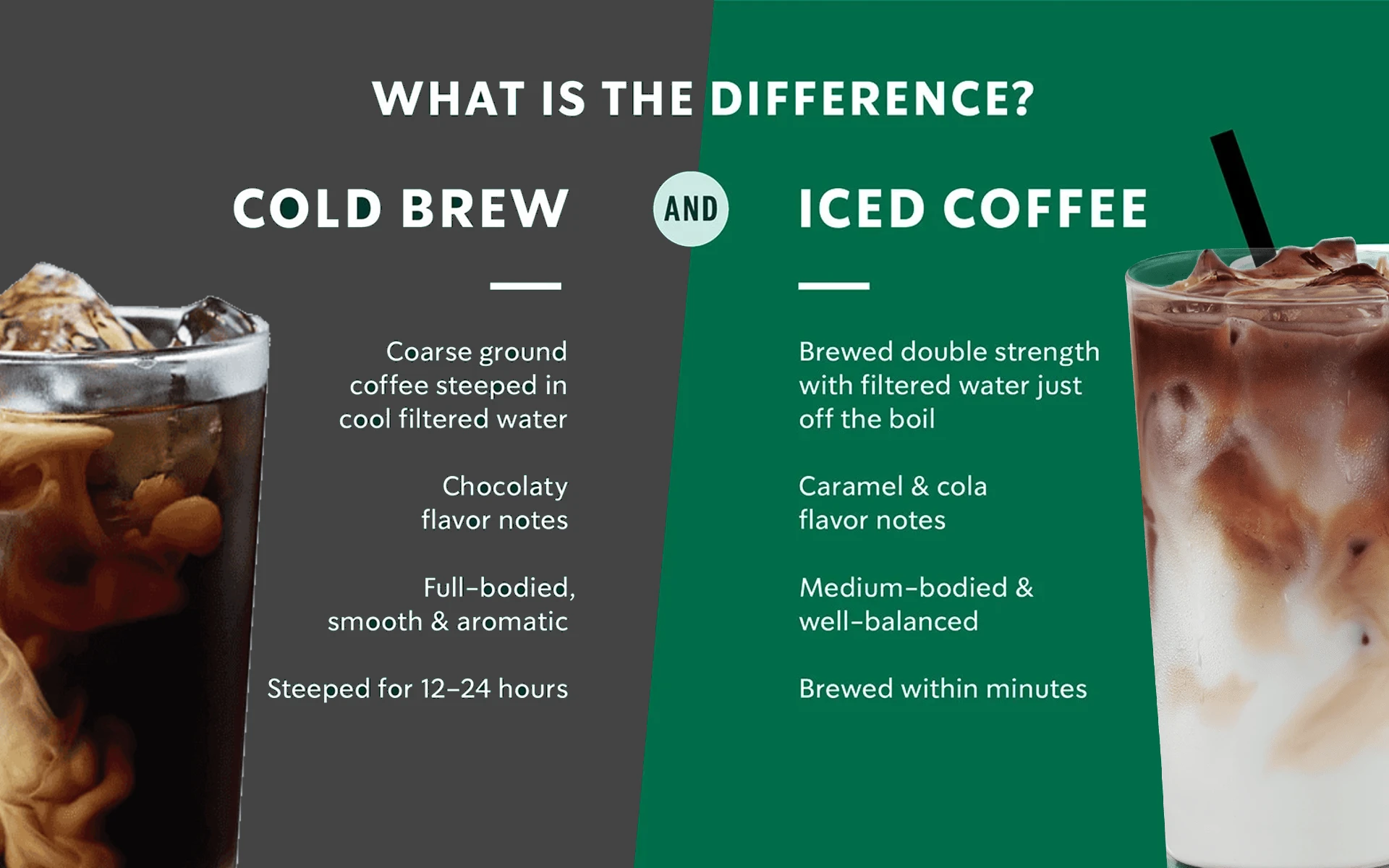
Here’s the thing—and you might want to sit down for this—cold brew isn’t just “fancy iced coffee.” The Mayo Clinic explains that the difference starts with time vs. heat. Iced coffee is just hot-brewed coffee that’s been cooled down and poured over ice. Fast and furious.
Must Read
Cold brew, on the other hand, is a lazy genius. Steeping coarse grounds in cold water for 12 to 24 hours. It’s like the coffee equivalent of a slow-cooked stew—patient, deep, and deceptively potent.
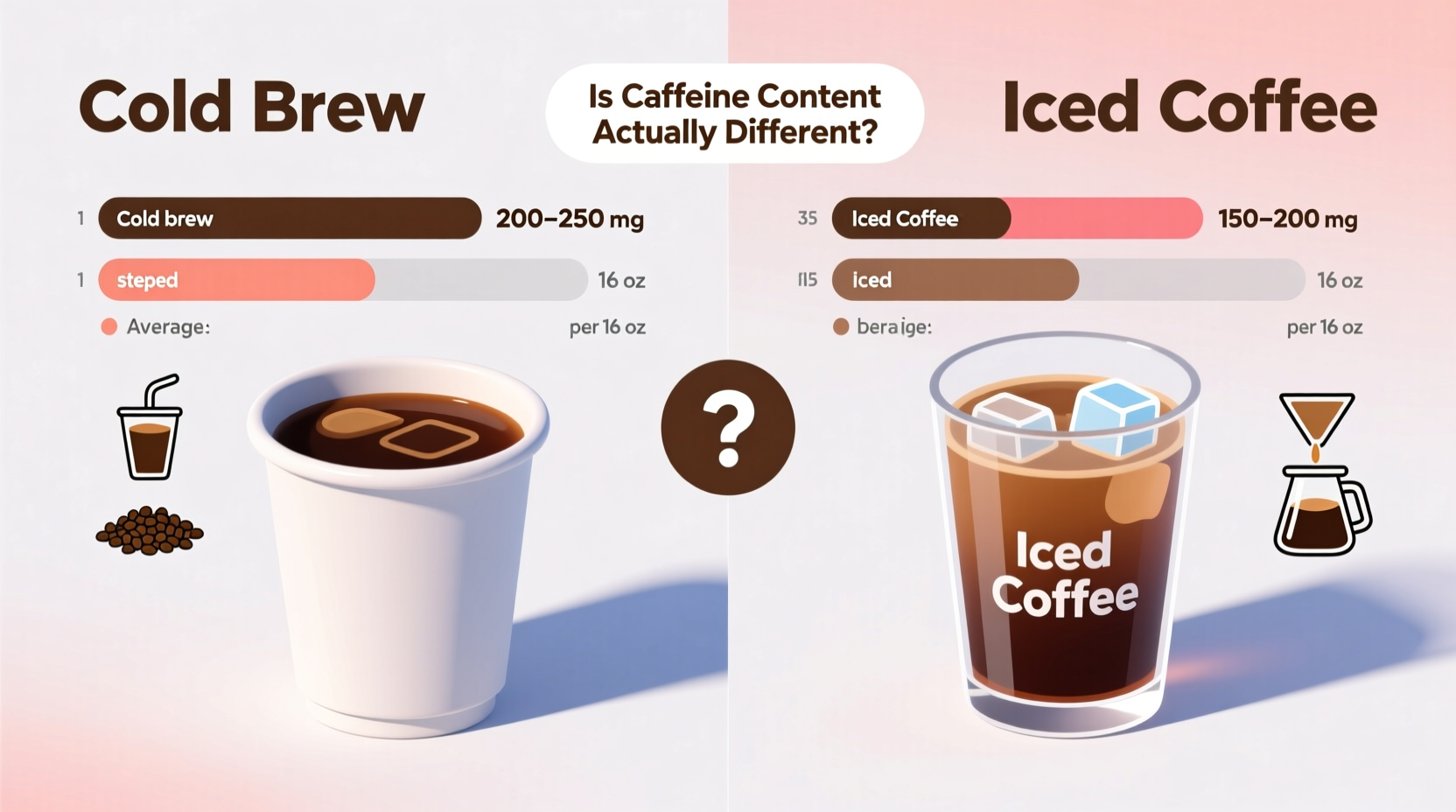
Because of that long, cold extraction, cold brew pulls more caffeine out of the beans than hot water does—especially if you’re drinking it concentrated. The Mayo Clinic notes that a concentrated cold brew can pack almost double the caffeine of a standard iced coffee, ounce for ounce. (Don’t chug it. I’m begging you.)
The Numbers That Made Me Spit Out My (Cold) Coffee
Let’s get nerdy for a second—I promise to keep it short. According to Mayo Clinic data, an 8-ounce cup of cold brew concentrate can contain anywhere from 150 to 200 mg of caffeine. A same-sized glass of iced coffee? Usually about 90 to 120 mg.
That means one cold brew is roughly the caffeine equivalent of two iced coffees—or, as I like to call it, “a ticket to the moon.” If you dilute that cold brew with water or milk (which you should), the numbers even out a bit. But undiluted? Strap in, friend.
The irony is that iced coffee feels lighter—most people think it’s the “weaker” option. Nope. It’s the cold brew that’s secretly the heavyweight champion wearing a silk robe.
Acidity: The Quiet Villain
This is where the Mayo Clinic gets real. Ever drink hot coffee and feel like your stomach just signed a peace treaty with a dragon? Iced coffee, being hot-brewed, retains a higher acidity. Cold brew, because it never sees heat, extracts fewer acidic compounds—up to 67% less, per some studies.
So if your gut has been giving you side-eye lately, cold brew might be your mild-mannered hero. But here’s the kicker: lower acidity doesn’t mean less caffeine. It just means you can drink it without feeling like you’re auditioning for a heartburn commercial.
 Caffeine In Iced Coffee Vs Cold Brew | Detroit Chinatown
And yes, all that extra caffeine from cold brew can still hit your stomach like a wrecking ball—it’s just less acidic about it. Small victories.
The “Ice Melt” Trap and Your Wallet
Here’s something nobody talks about—the ice melt factor. When you order iced coffee, that ice melts quickly, diluting the coffee and the caffeine. But cold brew concentrate? It’s often served over ice, but because it’s so potent, the melt actually helps you reach a balanced taste.
So while you’re paying a premium for cold brew (and you are—I’ve seen $6 cups that made me question my life choices), you’re also getting a more controlled caffeine experience. The Mayo Clinic would probably tell you to “check your serving size.” I’d tell you to check your budget.
Also, fun fact: if you order a large cold brew from a chain, you might get double the caffeine of a standard cup of drip coffee. Which is both a blessing and a recipe for losing sleep over a fever dream about spreadsheets.
So What’s the Verdict, Doc?
The Mayo Clinic doesn’t pick favorites—because they’re responsible medical professionals, unlike the guy screaming about “bulletproof coffee” on TikTok. They simply serve up the data and let you decide.
If you want a caffeine bomb that’s easier on your stomach? Cold brew, but dilute it and don’t drink it after 2 PM unless you’re planning a nocturnal painting session. If you want a classic, refreshing jolt that doesn’t take 24 hours to prepare? Iced coffee is your loyal, slightly more acidic friend.
And me? After that accidental cold brew jolt, I now double-check my pitcher before pouring. I also keep a stash of iced coffee for the “normal” days, and reserve the cold brew for days I plan to reorganize my entire life by noon. You know, balance.
Bottom line: both will wake you up. One might just make you see sounds. Choose wisely—and maybe pour with the lights on.
