How Filters Handle Pfas Emerging Contaminants

So, let’s talk about PFAS. You know, the “forever chemicals” that sound like a sci-fi villain? Yeah, those guys. They’re in your non-stick pans, your rain jacket, and—shudder—...
So, let’s talk about PFAS. You know, the “forever chemicals” that sound like a sci-fi villain? Yeah, those guys. They’re in your non-stick pans, your rain jacket, and—shudder—probably your drinking water right now.
Don’t panic yet. I’m buying you a mental coffee, and we’re going to figure this out together.
First, What’s the Big Deal with PFAS?
PFAS stands for per- and polyfluoroalkyl substances. It’s a mouthful, so we’ll stick with the scary acronym. These chemicals are incredibly useful because they resist grease, water, and heat.
Must Read
But they also never break down. Like, ever. They just hang out in your blood like unwanted houseguests.
And emerging contaminants? That’s just a fancy way of saying “we’re only now realizing how bad these are.” Scientists are finding PFAS everywhere—in rain, in soil, in your Friday night takeout box.
So, Can Our Water Filters Actually Handle This?
Here’s the million-dollar question. You’ve got your Brita pitcher, maybe a fancy under-sink system. Does it laugh in the face of PFAS? Short answer: Nope—unless you have the right kind.
Most basic filters (like the ones in your fridge’s water dispenser) are great for taste and chlorine. But PFAS? They’re like trying to catch a ghost with a butterfly net.
Those little activated carbon granules? They’re okay for some PFAS, but they get full fast. It’s like using a sponge to clean up an oil spill—eventually, the sponge just gives up.
Enter the Heavy Hitters: Reverse Osmosis
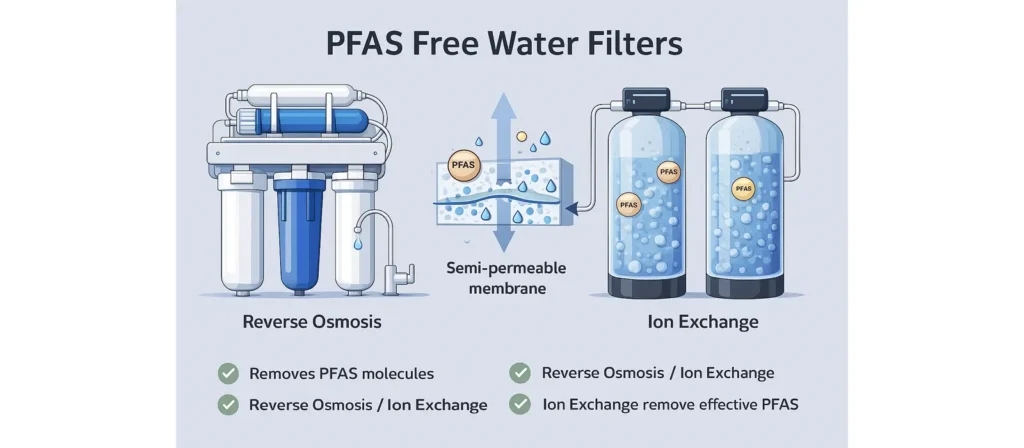
If you want to seriously kick PFAS to the curb, you need reverse osmosis (RO). Sounds fancy, right? Basically, it uses pressure to shove water through a membrane so tight that even molecules smaller than PFAS are like “nope, can’t fit.”
The catch? It’s slow and wastes a bit of water. But honestly, it’s the closest thing to a superhero cape for your tap.
You can also find “PFAS-rated” filters that combine activated carbon with an ion-exchange resin. They’re like a bouncer and a librarian working together—aggressive but smart.
But Wait—Do I Actually Need a Fancy Filter?
Let’s be real. Not everyone’s water is a PFAS nightmare. It depends on where you live—near a military base, an airport, or a landfill? You might want to upgrade. Otherwise, check your local water report. Knowledge is power (and cleaner kidneys).
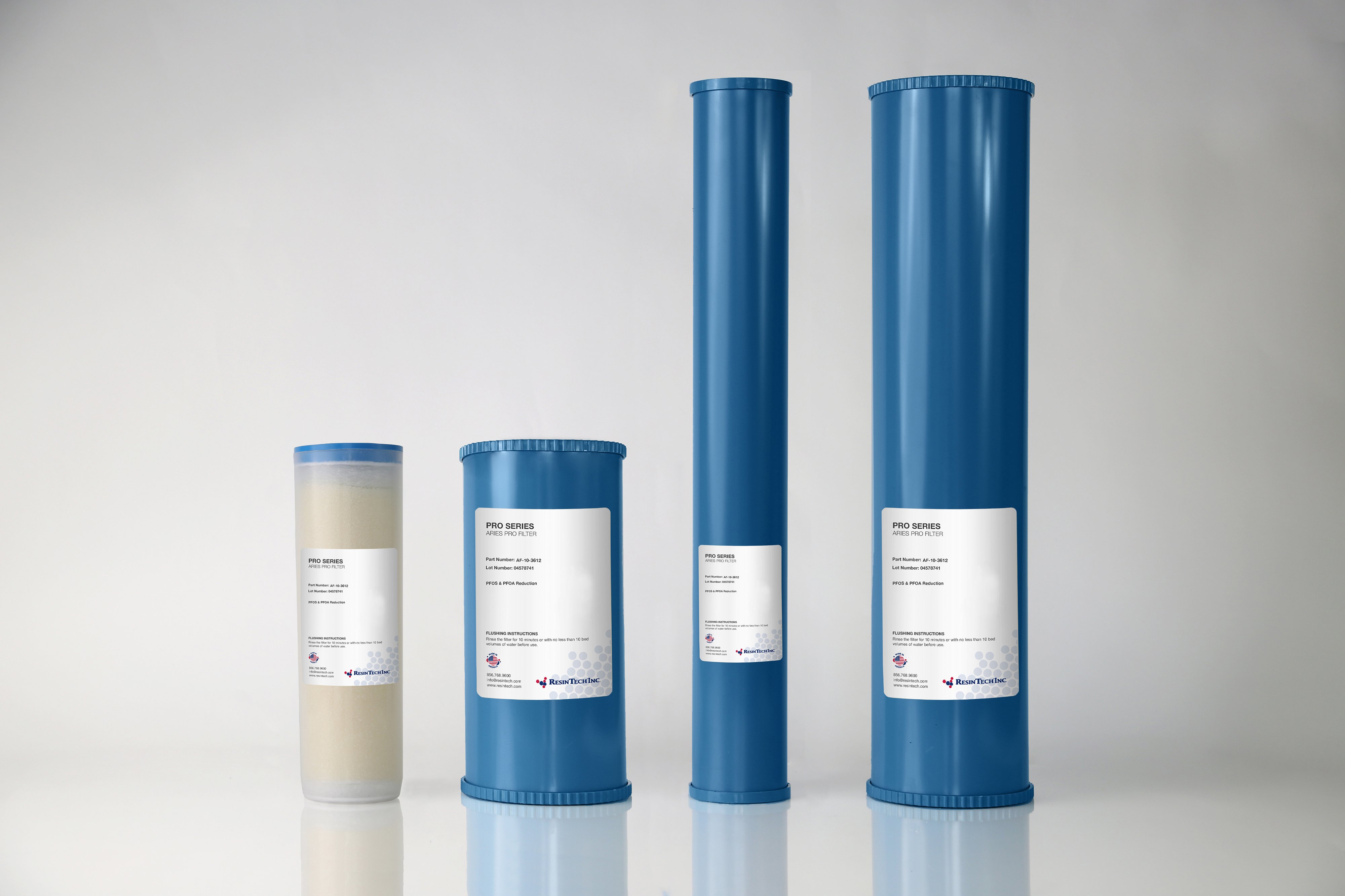 PFAS Hydra System
I won’t lie—home testing kits for PFAS exist, but they’re pricey. Like, “buy a nice dinner” pricey. So maybe just start by assuming you have some, because, uh, we all probably do.
What About Boiling? Or Fancy Pitchers?
Boiling water for PFAS? Don’t even try it. That actually concentrates them—like making a villain stronger. Not a good look.
Most countertop pitchers labeled “PFAS reduction” are a mixed bag. Some work, some don’t. Look for certifications like NSF/ANSI 53 or P473. If it doesn’t say that on the box? It’s mostly marketing fluff.
And please don’t fall for those “alkaline” or “vortex” gimmicks. Your water doesn’t need a spa day—it needs a chemical eviction notice.
The Future is Kinda Optimistic
Companies are getting smarter. There are now filters with specialized media that grab PFAS like a toddler grabbing candy. Some even use granular activated carbon mixed with a secret-sauce resin. Pretty cool, right?
Also, regulations are shifting. The EPA is finally tightening limits, which means water utilities will have to step up. That’s good news for your wallet, because municipal-level treatment is way cheaper than buying a new filter every month.
But for now? If you’re worried, invest in a good RO system. You’ll also notice your coffee tastes better—ironic, isn’t it? We’re using coffee as a metaphor for fixing PFAS.
A Final, Softer Thought
Look, I don’t want you to live in fear of your kitchen faucet. PFAS are everywhere, but your body has ways of handling low levels. The real danger is long-term, high exposure.
So take a breath. Get a tested filter if you can. And if you can’t? Don’t stress—you’re already doing more than most people by just reading this.
Now go drink some water. Preferably through a really good filter. And maybe avoid that raincoat that says “waterproof” on the tag—because yeah, those chemicals are in there too. But that’s a topic for another coffee chat.
