Is Club Soda And Seltzer Water The Same Thing

Let’s settle this once and for all, because I’ve seen friendships crack under the pressure of a poorly stocked bar cart. You’re standing in the grocery aisle, staring at a wal...
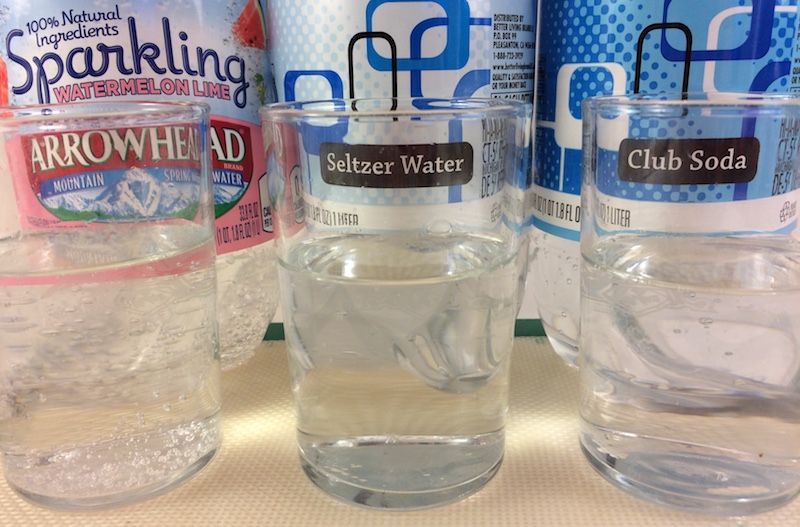
Let’s settle this once and for all, because I’ve seen friendships crack under the pressure of a poorly stocked bar cart. You’re standing in the grocery aisle, staring at a wall of bubbles, and you ask yourself: Is club soda the same as seltzer water? The answer is no, but the difference is so petty you’ll laugh—or scream.
Think of it like this: club soda and seltzer are distant cousins who share a last name but definitely don’t sit together at Thanksgiving. They both start as plain, boring tap water, but then they go through very different makeovers. One gets a splash of attitude; the other just shows up.
The Seltzer: The Minimalist of the Fizz World
Seltzer water is the introvert of carbonated drinks. It’s literally just water that’s been pumped full of carbon dioxide under pressure—nothing added, no apologies. It’s the kind of water that shows up to a party, stands in the corner, and says, “I’m fine, really.”
Must Read
In fact, seltzer was originally a knock-off of German natural mineral water from Niederselters, which is where the name comes from. But Americans said, “Nah, we’ll just force-carbonate tap water and call it a day.” That’s seltzer: pure, unsweetened, and judgment-free—until you mix it with cheap vodka.
Club Soda: The Overachiever with a Secret Ingredient
Club soda, on the other hand, is the life of the party—but only because it’s chemically enhanced. Manufacturers add potassium bicarbonate and sodium citrate to the water before carbonating it. Why? To make the bubbles last longer and give it a slightly salty, mineral taste that bartenders love.
Here’s the wild part: club soda literally has added minerals like sodium and potassium. A single can of club soda can have 50 to 100 milligrams of sodium—about as much as a handful of potato chips. Seltzer? Zero. Zilch. Nada. So if you’re on a low-sodium diet, seltzer is your hero, and club soda is the traitor sneaking salt into your gin fizz.
The Great Bartender Conspiracy
You’ve probably ordered a “vodka soda” at a bar and gotten club soda without realizing it. Bartenders almost always use club soda for mixed drinks because the tiny extra minerals help the cocktail taste “rounder” and less harsh. Seltzer is too aggressive—it can make your drink taste like a science experiment.
But here’s the shocking truth: most people cannot tell the difference in a blind taste test. I tried this at a house party with my cousin Dave, who claims to be a “mixology expert.” He picked the seltzer over club soda and then argued it was “more crisp.” It’s all in your head.
What About Tonic Water? (Because Someone Always Asks)
Oh, you thought we were done? Absolutely not. Tonic water is the wild third cousin who brings a guitar to the BBQ. It contains quinine, a bitter compound from the bark of the cinchona tree, plus a ton of sugar or high-fructose corn syrup. One glass of tonic water has as much sugar as a can of soda—about 20 grams. So when you order a “gin and tonic” and think you’re being healthy, you’re wrong. You’re basically drinking a gin-flavored lollipop.
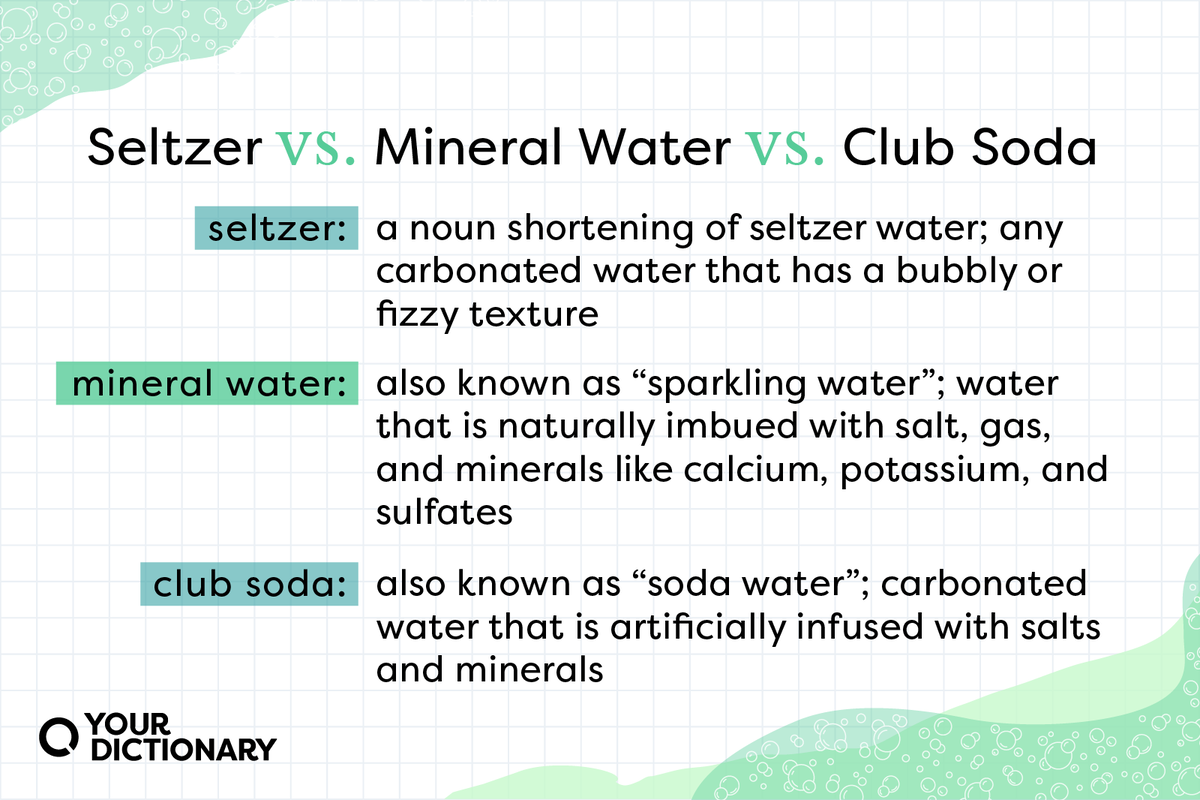 Club Soda Vs Seltzer , Club Soda vs Seltzer (Sparkling Water) – NCIPEN
The Secret Hierarchy of Bubbles
Let’s rank them like a petty listicle: Seltzer is the gym rat who drinks only water and judges you for ordering a Diet Coke. Club soda is the friend who adds salt to everything and says, “It enhances the flavor.” Tonic water is that one guy who always brings up his keto diet while eating a bag of chips. And then there’s mineral water—like Perrier or San Pellegrino—which is the snobby rich cousin who costs $5 a bottle and still tastes like rocks.
Fun fact: Perrier’s bubbles come from natural underground springs, but the water is actually filtered and recarbonated at the factory. That’s right—even the fancy French stuff is faking it a little. The audacity.
So, Which One Should You Buy?
If you’re making a cocktail at home and you want it to taste like a professional made it, use club soda. The minerals really do help balance the alcohol. But if you’re chugging water to avoid a hangover or just trying to hydrate without salt, seltzer is your MVP.
And if someone hands you a glass of seltzer and says it’s club soda? Call them out. You now have the power to ruin small talk at parties. “Actually,” you can say, “this is seltzer—note the lack of sodium.” Then watch everyone slowly back away.
The Bottom Line (Yes, We Have One)
Club soda and seltzer are not the same thing, but unless you’re a neurotic home bartender or a sodium-counting health nut, you won’t care. The real lesson here is: stop overthinking your bubbles. Carbonated water is carbonated water. Pour it in a glass, add a lime, and pretend you’re at a beach resort in the Maldives. Your brain won’t know the difference, and your wallet will thank you.
Now go forth and fizz. And if anyone argues with you about this, just say: “I read it in an article—I’m basically an expert.” They’ll believe you. They always do.
