How Often Should You Change Your Water Filter

So, you bought a fancy water filter. You’re feeling smug, sipping what you *think* is liquid enlightenment. But lurking in that pristine pitcher is a dirty little secret: it’s...
So, you bought a fancy water filter. You’re feeling smug, sipping what you think is liquid enlightenment. But lurking in that pristine pitcher is a dirty little secret: it’s probably full of bacteria right now. Welcome to the grim, soggy reality of filter maintenance.
The Hidden Horror Show in Your Fridge
Let’s get one thing straight. That filter isn’t a magical force field; it’s a sponge for grossness. Every time you pour tap water through it, you’re trapping chlorine, lead, and the ghost of your roommate’s unwashed dishes.
But here’s the kicker: after a few weeks, that sponge becomes a breeding ground. The very stuff it’s supposed to remove (bacteria, mold, sediment) starts throwing a party on the carbon surface. You aren’t filtering water anymore; you’re marinating it in yesterday’s swamp juice.
Must Read
One study found that used filters can actually increase bacterial counts. Think about that the next time you take a big, refreshing gulp from a pitcher you forgot about since the Super Bowl.
The Official "You’re Gross" Timeline
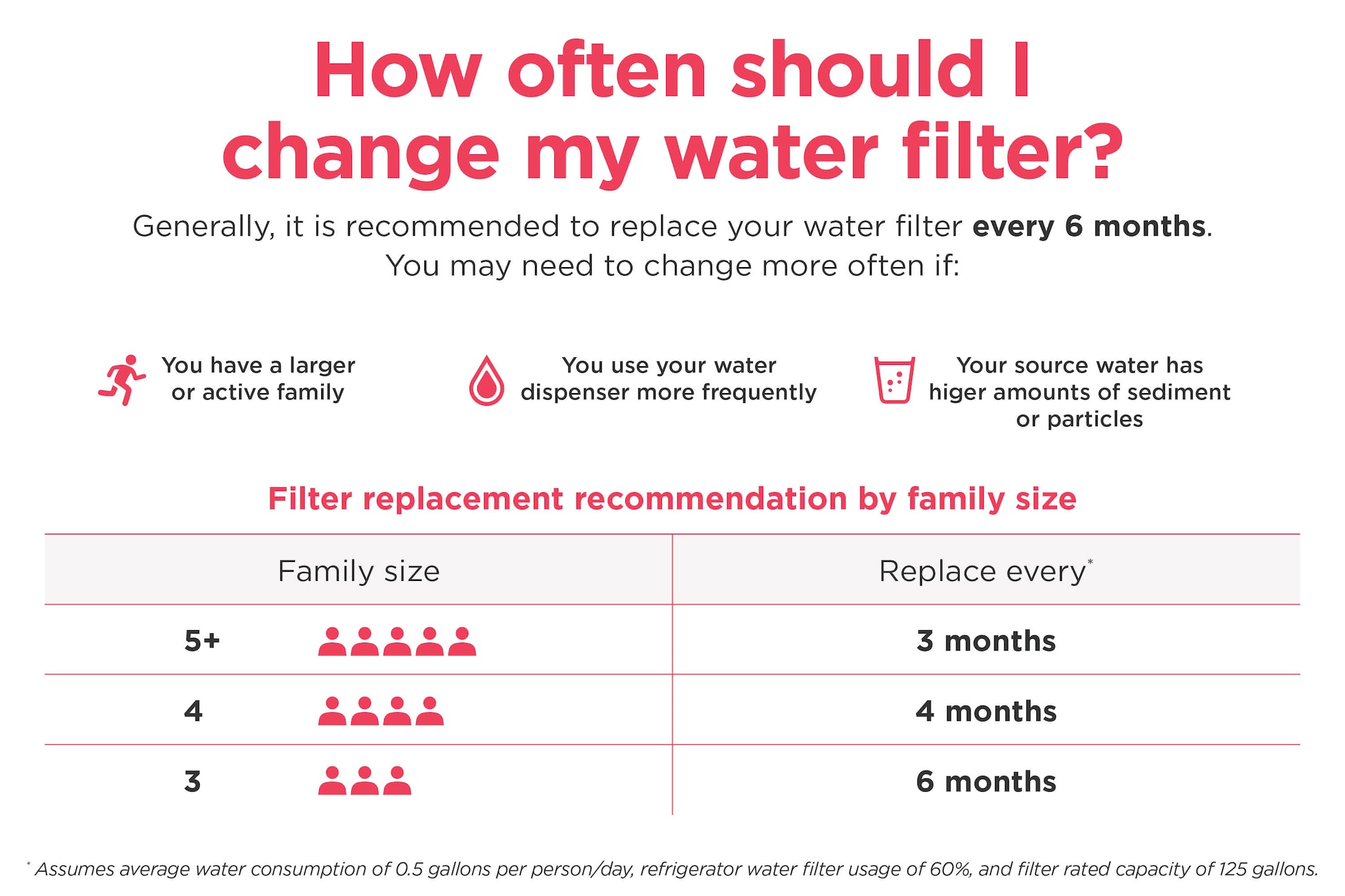
General rule of thumb? Change that sucker every two months, or roughly every 40 gallons. That’s about the amount of water you’d drink if you were a camel training for a marathon in a desert made of saltines.
Pitcher filters (Brita, PUR, etc.) are the laziest offenders. They say “lasts 2 months,” but if your water tastes like a wet sock after three weeks, you’ve already lost. Your fridge’s built-in filter? Every six months. Mark it on your calendar, or better yet, tattoo it on your hand.
And those fancy under-sink reverse osmosis systems? They have like five filters. Change each one on a rotating schedule, or you’ll create a $500 paperweight that slowly breeds new life forms. Congratulations, you’ve just invented a terrarium.
But My Water Tastes Fine!
Ah, the classic defense. “It tastes fine, so it must be fine.” That’s like saying your car is fine because the radio still works while the engine is on fire. Taste is a lousy lie detector.
Here’s a surprising fact: activated carbon filters can become saturated with toxins (like lead or chlorine) but still let water pass through. The bad stuff just rides along, invisible and flavorless. Your tongue can’t taste heavy metals. But your kidneys will send a strongly worded letter in about 15 years.
Another fact: filters left too long can grow heterotrophic bacteria. That’s science-speak for “tiny monsters that can give you the runs.” You aren’t hydrating; you’re playing Russian roulette with E. coli.
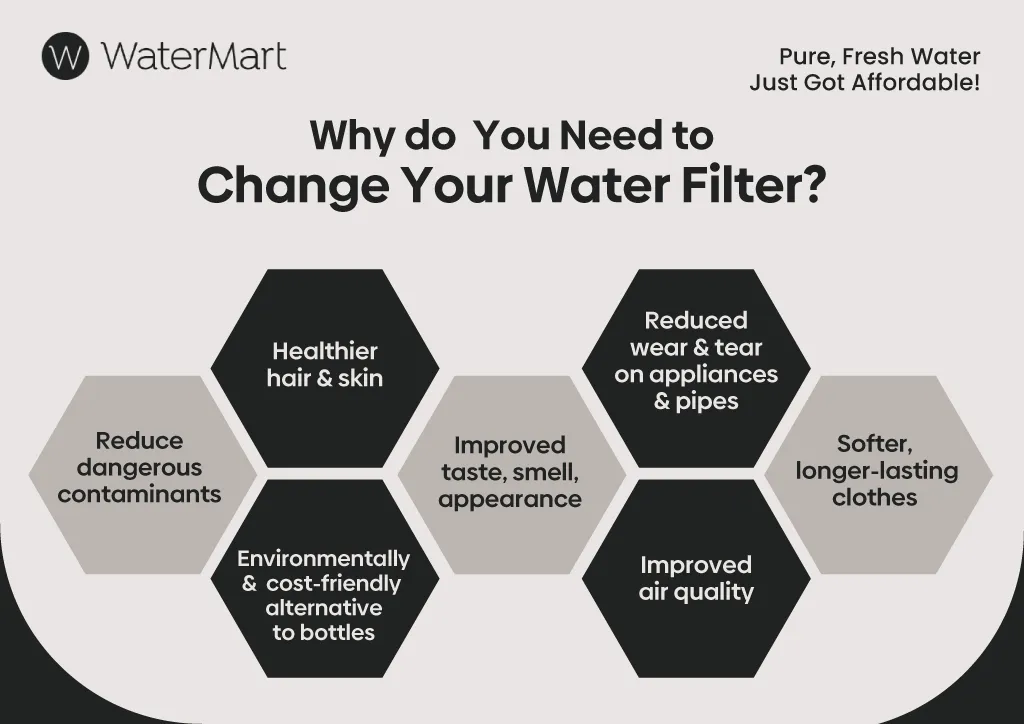 How Often Should I Change My Water Filter?- A Practical Guide
The "How to Tell You’ve Failed" Checklist
You know it’s time when the water pours out slower than a turtle on sleeping pills. That means the pores are clogged with the filth you’re trying to avoid. You are now drinking through a barrier of your own neglect.
If you see any black specks floating in your glass, do not panic. Those are not “designer minerals.” That is carbon dust from the filter disintegrating. It’s basically filter guts. You are drinking the filter itself. Nice job.
And if your water smells like swamp, fish, or your gym bag? Throw the whole pitcher away. Seriously. Buy a new one. You’ve created a biological weapon in your kitchen. The EPA would like a word.
The Surprising Math of Laziness
Let’s do depressing math. A $40 pitcher filter that you replace every two months costs you $240 a year. A $20 pack of generic replacements (changed on time) costs $120. That’s a difference of $120 just for being a slob who drinks microbe soup.
But here’s the kicker: most tap water in the U.S. is already safe. A filter is only removing minor aesthetic issues (chlorine taste, hardness) or specific contaminants (lead, if you have old pipes). If you ignore the filter for six months, you’re better off just drinking from the tap. The tap water is cleaner than your “filtered” swamp juice.
So, what’s the real answer? Set a recurring phone alarm: “Change filter, you filthy animal.” Do it on the first of every other month. If you have a fridge, write the date on the filter with a Sharpie. If you lose the Sharpie, you’ve already failed.
The Final Sip (of Truth)
Look, water filters are like gym memberships. They feel good to have, but they only work if you actually do the maintenance. A forgotten filter is just a plastic container filled with stagnant, bacteria-laced regret.
Change it every two months. Or six, if it’s in your fridge. Or, you know, just use a glass and run the tap. Your water bill won’t judge you, and your gut bacteria will thank you for not feeding them a fresh batch of carbon-coated cricket juice. Cheers.
