Definition Of Total Dissolved Solids In Water

Let’s be honest—most of us don’t spend our mornings pondering what’s actually in our tap water. We just fill up the kettle, brew some coffee, and hope it doesn’t taste weird....
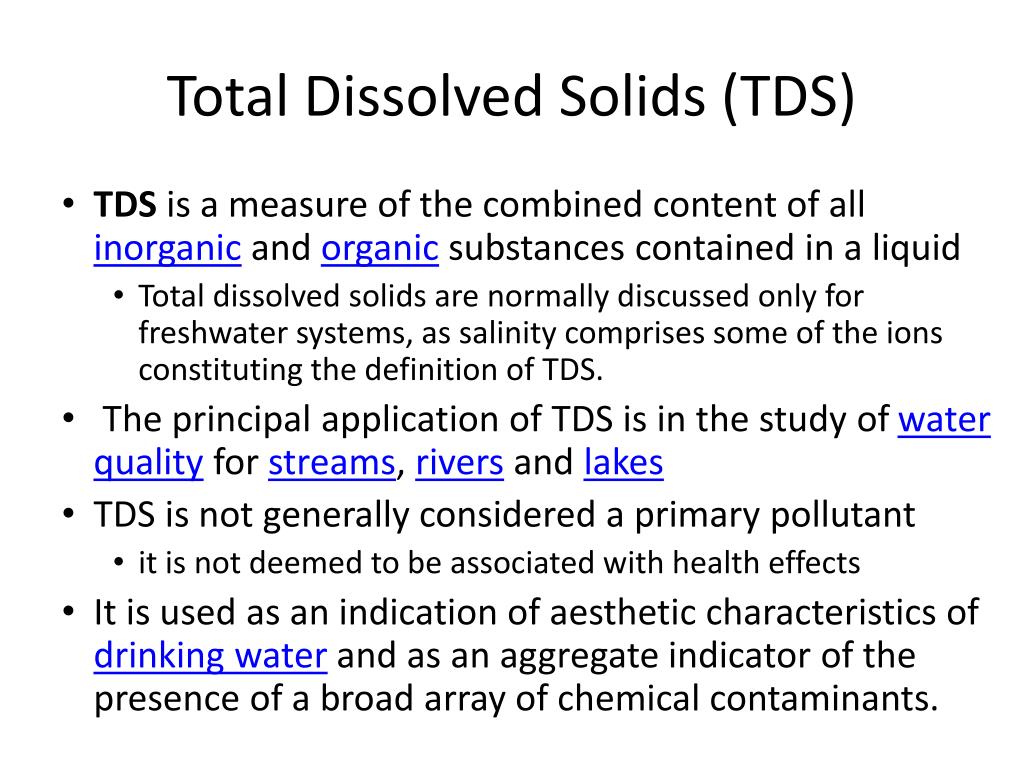
Let’s be honest—most of us don’t spend our mornings pondering what’s actually in our tap water. We just fill up the kettle, brew some coffee, and hope it doesn’t taste weird. But here’s the thing: that glass of water you’re drinking is far from just H2O. It’s a little party of minerals, salts, and tiny particles we call Total Dissolved Solids, or TDS for short.
So, what exactly does "Total Dissolved Solids" mean?
Imagine you’re making a cup of instant lemonade. You stir the powder into the water, and most of it vanishes. Those invisible bits floating around? That’s a dissolved solid. TDS is simply the total amount of all the dissolved stuff in your water—like calcium, magnesium, sodium, and even tiny traces of metals.
It’s not dirt floating in a glass. It’s more like the water’s personality. Some water has high TDS (think mineral-rich spring water), and some has very low TDS (like pure rainwater). And just like people, water’s character changes depending on where it comes from.
Must Read
A daily life example that’ll make you smile
Remember the last time you cleaned your electric kettle and found those white, flaky bits clinging to the heating element? That’s scale—a visible reminder of dissolved solids. In particular, it’s calcium and magnesium that decided to leave the party and settle down on your kettle’s bottom.
Or think about your favorite bottled water. The label might say “mineral water” or “spring water.” That fancy taste? It’s not magic—it’s the TDS level. Some people love a high mineral kick, while others prefer water that tastes like nothing at all. Your tongue knows the difference, even if you don’t realize it.
Why should you care about TDS at all?
Great question—and the answer is simpler than you think. High TDS can make your water taste salty, bitter, or metallic. It can also leave spots on your glasses, mess with your coffee flavor, and even shorten the life of your appliances. Nobody wants a spotty wine glass at dinner or a coffee that tastes like pennies.
On the other hand, very low TDS water can taste flat or boring. That’s why some people add a pinch of salt or a slice of lemon to their distilled water. It’s all about balance—just like in life.
The little number that tells a big story
You can actually measure TDS with a small device called a TDS meter. It looks like a thermometer and costs about ten bucks. Dip it in your water, and it gives you a number in parts per million (ppm). For reference, tap water usually falls between 50 and 300 ppm. Anything above 500 ppm might start tasting a bit “heavy.”
 What is Meant by Total Dissolved Solids?
But here’s the friendly warning: TDS alone doesn’t tell you if water is safe. It won’t detect bacteria, viruses, or harmful chemicals. Think of it like a person’s weight—it gives you one piece of info, not the whole story. You still need other tests to know if the water is truly healthy.
A little story from my kitchen
Last month, I bought a new coffee maker. The first cup tasted amazing. By week two, it tasted like cardboard. I checked the TDS of my tap water: 340 ppm. That’s not terrible, but it was high enough to build up mineral residue in the machine. After a descaling session with vinegar, the coffee tasted glorious again. That’s TDS at work—making or breaking your morning brew.
And hey, if your water tastes funny, don’t blame the pipes right away. It might just be a natural dose of dissolved minerals. A simple filter can reduce TDS to a level you enjoy.
The cozy takeaway
Total Dissolved Solids isn’t a scary lab term. It’s just a measure of what’s hanging out in your water. Whether you want crisp, empty water for tea or a mineral-rich sip for health, knowing your TDS helps you make a better choice. It’s one of those small, nerdy details that actually makes your daily life nicer.
So next time you fill your glass, give it a little nod. It’s not just water—it’s a tiny ecosystem of dissolved particles, each with a story. And now you know what that story is. Cheers to that!
