How Often Should My Water Softener Regenerate

So, you’ve got a water softener. That little tank of magic is working hard to banish that chalky, hard-water misery from your life. But then, at 2 AM, it growls like a mechani...

So, you’ve got a water softener. That little tank of magic is working hard to banish that chalky, hard-water misery from your life. But then, at 2 AM, it growls like a mechanical bear. Time to regenerate! And you lie there wondering: is it doing this too often? Let’s solve that mystery together, because honestly, a happy softener means more fun in the shower, softer laundry, and way less scrubbing of soap scum.
The "Goldilocks" Problem
Your softener isn’t just a lump of resin; it’s a tiny, hard-working factory. After it traps all that calcium and magnesium, it needs a salt bath—a regeneration cycle—to rinse them away. The key question isn’t "how often," but "how much water are you actually using?"
Think of it like this: you wouldn’t refill your coffee cup after every single sip, right? But you also don’t want to let it run dry and then drink bitter, burnt sludge. Your softener feels the same way. Under-regenerating means you get hard water again. Over-regenerating wastes salt, water, and your cash. Neither is fun.
Must Read
The Simple Answer (For Most People)
If you have a modern, demand-initiated softener (fancy name, I know), stop worrying. It watches your water usage like a hawk. It regenerates only when it needs to—usually every 3 to 7 days. That’s the dream. Set it and forget it!
But if you’re using an older, timer-based model (the kind that regenerates on a schedule regardless), you’re flying blind. Those usually default to every 3 days. For a family of four, that might be perfect. For a single person, it’s like buying a bus pass for a tricycle. Wasteful.
Let’s Do Some Real-World Math (Don’t Panic!)
Here’s the friendly part: your water hardness matters. You can find it on your city’s water quality report or grab a simple test strip. Hard water at 10 grains per gallon (gpg) needs more frequent regenerations than water at 3 gpg. It’s just physics, and physics loves a good plan.
Also, count the people in your home. More showers, dishwashers, and flushing equals a faster-draining softener. A general rule? A standard 30,000-grain softener for a family of four with 10 gpg water should regenerate around every 3-4 days. A couple in the same house? Stretch that to every 6-7 days. See? Painless.
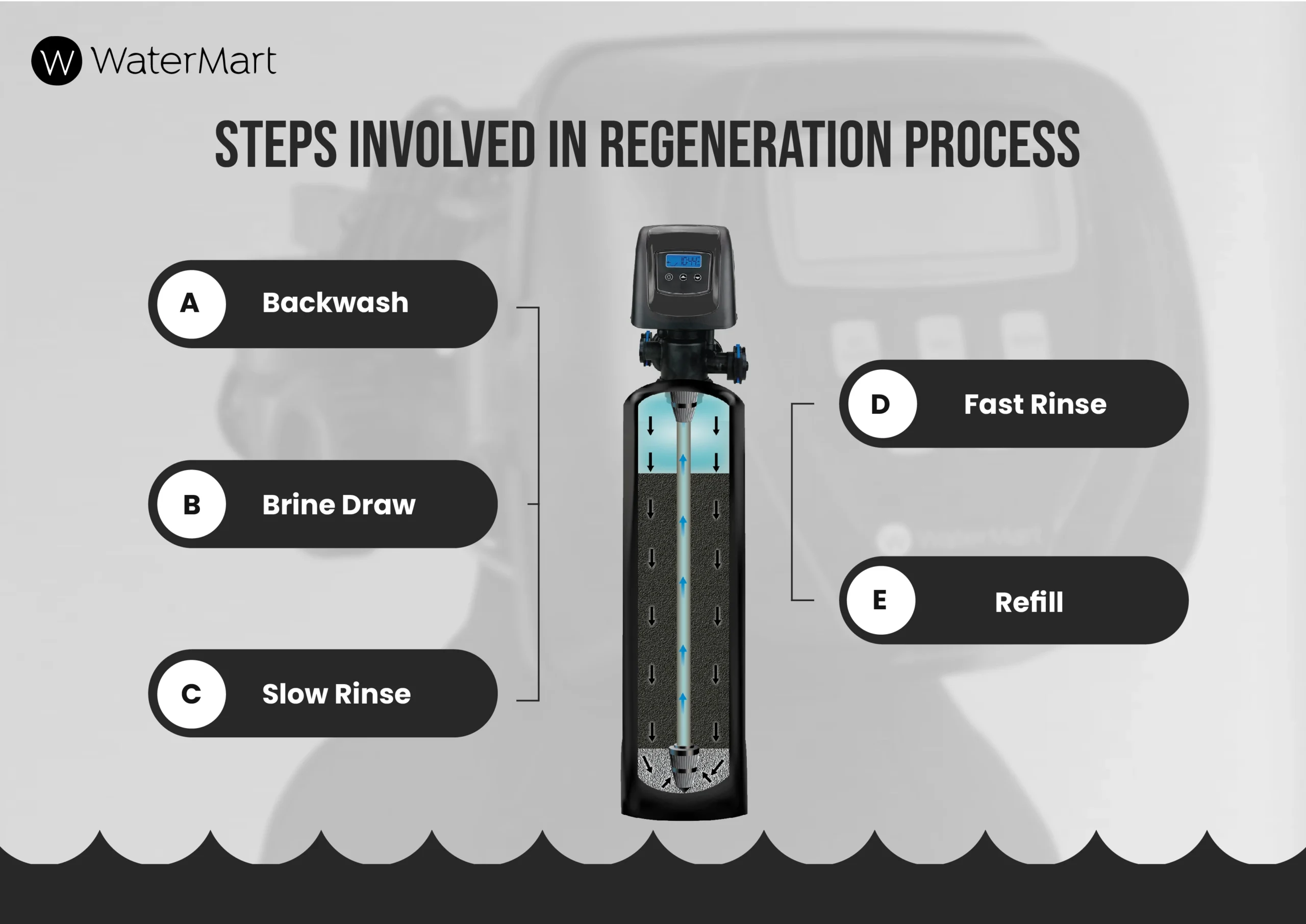 What Is Water Softener Regeneration - Process And Its Types
The Fun Part: Tuning Your Machine
Want to make your softener a lean, mean, water-softening machine? Look for the control valve. Most have a setting called "days override" or "regeneration frequency." Set it to "metered" if possible, or start with every 5 days and adjust by watching for that slippery-feeling water.
Pro tip from a lazy enthusiast: listen to the brine tank. If you’re adding salt every two weeks, and the water feels great, you’re in the sweet spot. If you’re adding salt every month and the water feels sticky? Crank up that frequency! It’s like tuning a guitar—a little tweak, and everything sounds (and feels) better.
And yes, you can totally skip a regeneration. If you go on vacation for two weeks, your softener will patiently wait. When you return, run a manual regeneration before stepping into that glorious, soft-water shower. Your skin will thank you.
The "Why Bother?" Inspiring Note
Here’s the uplifting truth: you are not maintaining a machine; you are curating a lifestyle. When your water softener regenerates at the perfect rhythm, your dishes sparkle without spots. Your hair feels like silk, not straw. Your plumbing lasts longer, and your appliances work smarter. That’s not boring maintenance—that’s small joy, every single day.
So, stop staring at that blinking control panel with anxiety. Embrace the gentle art of balance. Whether it regenerates every 3 days or every 8, you are the hero of your home’s water story. And with a little curiosity, you’ll dial it in, save some money, and maybe even feel a tiny thrill the next time you hear that softener hum to life. Now go forth, test your water, and let the good, soft times roll.
