Can I Use Brita Filtered Water For Humidifier

Picture this: you’ve just settled into your cozy hygge-inspired evening—candles flickering, a warm mug in hand—when your humidifier starts spitting out a fine white dust that...
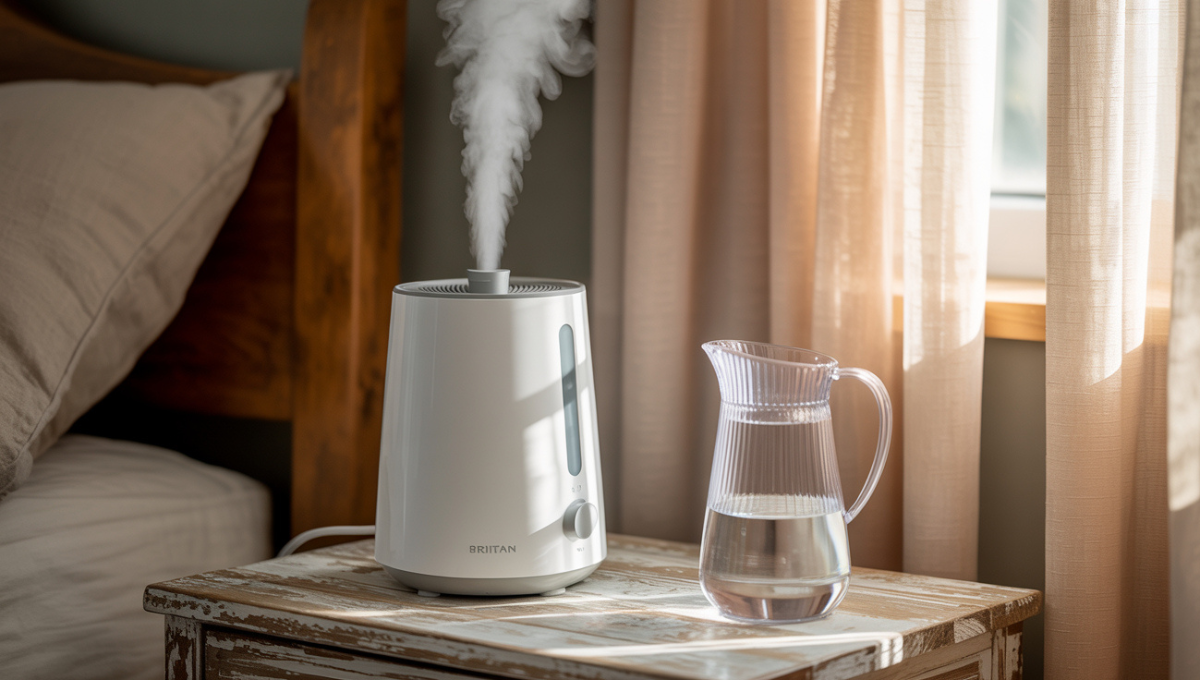
Picture this: you’ve just settled into your cozy hygge-inspired evening—candles flickering, a warm mug in hand—when your humidifier starts spitting out a fine white dust that looks like a miniature snow globe gone rogue. The culprit? Tap water minerals. So naturally, you glance at your Brita pitcher and wonder: can I use Brita filtered water for my humidifier? The short answer is yes, but the longer, more interesting answer involves a few clever caveats.
The Science of Sips and Mists
Your Brita filter is a champ at reducing chlorine, lead, and that weird metallic taste in your tap water. But here’s the thing: most Brita pitchers use activated carbon and ion-exchange resin, which do a solid job of reducing some minerals, but they don’t fully remove dissolved solids like calcium and magnesium.
Those same minerals, when vaporized in a humidifier, can leave behind that chalky white dust on your furniture—and even encourage bacterial growth if you’re not careful. Think of it like the mineral residue you see on a tea kettle after boiling hard water.
Must Read
Still, Brita water is a massive upgrade from straight tap water, and for many people, it’s perfectly fine—especially if you live in an area with moderately hard water. Pro tip: Check your local water hardness report; if it’s below 100 ppm, Brita water is your humidifier’s best friend.
Real Talk: Brita vs. Distilled Water
Distilled water is the holy grail for humidifiers because it’s stripped of everything—minerals, bacteria, and all. It’s like the Marie Kondo of water: nothing left but pure H₂O. But let’s be honest—buying gallons of distilled water every week feels like a chore that belongs in the Mad Men era of household drudgery.
Brita water, on the other hand, is convenient, cheap (once you’ve bought the pitcher), and gives you about 70–80% of the benefits of distilled water without the awkward gym-bag-sized jugs. Fun fact: The average Brita filter removes about 60–70% of total dissolved solids over its lifetime. Not perfect, but pretty darn close for a plastic cool kid on your counter.
So, is it okay? For ultrasonic humidifiers (those whisper-quiet ones that look like minimalist space pods), you might still get some dust, but far less than with tap. For evaporative or steam humidifiers, Brita water is practically a godsend—they’re less picky about mineral content anyway.
Cultural Nods and Smart Hacks
Remember the Friends episode where Monica irons her jeans and fusses over every detail? That energy is perfect for humidifier care. Think of your Brita as the Phoebe Buffay of water filtration—quirky, effective, but not exactly a perfectionist. Pair it with a little white vinegar rinse once a week, and you’ve got a cleaning routine that would make even the most obsessive home editor nod in approval.
Here’s a practical hack: use Brita water in your humidifier, but add a few drops of hydrogen peroxide (about 1 teaspoon per gallon) to keep mold and bacteria at bay. It’s like giving your humidifier a gentle detox—no harsh chemicals, just bubbly love.
Also, invest in a demineralization cartridge specifically designed for humidifiers if you’re feeling fancy. They pop right into the water tank and catch extra minerals. Combine with Brita water? You’ve created a Dyson-level ecosystem of pure air without the Dyson price tag.
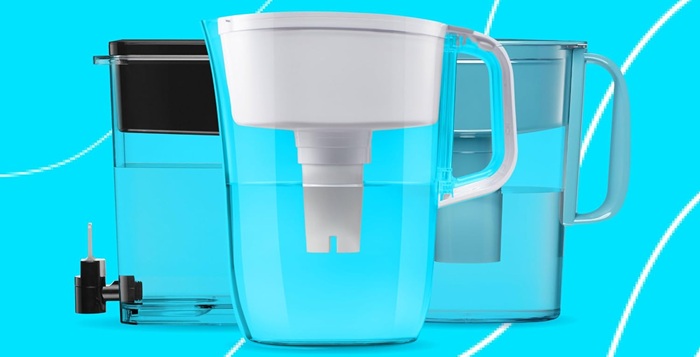 Brita Water in Humidifier - Pros and Cons
When to Say "Nah" to Brita
If you live in an area with exceptionally hard water (think: limestone country, southwestern deserts), your Brita filter will tap out quickly. In that case, it’s better to stick with distilled or consider a reverse-osmosis system for your humidifier. Yes, that’s an investment, but so is replacing your humidifier every six months due to mineral buildup.
Another no-go: don’t use expired Brita water. If your filter is older than two months (or has processed more than 40 gallons), it can actually release trapped minerals, making things worse. It’s like wearing a wet pair of socks—pointless and counterproductive.
Finally, never store Brita water in the humidifier for more than a day. Stagnant water, even filtered, is a petri dish for biofilm. Change it daily, like you would your coffee grounds. Your lungs will thank you—and so will your furniture.
Little Fun Facts for Your Next Dinner Party
Did you know that the ancient Romans used humidifiers in their bathhouses by splashing water over hot stones? They didn’t have Brita, obviously, but they did have a deep appreciation for moist air. You are part of a millennia-old tradition, my friend.
Another gem: a 2022 study found that using tap water in humidifiers increased indoor air’s fine particulate matter by 300% in some cases. Brita water slashes that to about 30–50%—still not ideal, but way better than breathing in calcium dust. So you’re basically a wellness influencer for your own home.
And here’s the kicker: some expensive humidifiers actually void their warranty if you use anything other than distilled water. Check your manual—if it says no minerals, Brita alone might still be a no-go. But if it just says “low mineral water,” you’re golden.
Reflection: The Quiet Art of Care
In the end, humidifiers are about comfort—that soft, coconut-oil feeling in the air that makes winter skin less angry and houseplants stand a little taller. Brita filtered water is a middle ground: better than tap, easier than distilled, and good enough for the modern life we actually live.
So go ahead, fill that tank, light a candle, and let the gentle mist carry your stress away. Because sometimes, the best thing we can do is simply choose well and move on. The perfect is the enemy of the good—and your humidifier agrees. Now, go enjoy that breathable bliss.
