What Type Of Water Do You Put In A Humidifier

So, you just got a humidifier. Awesome! You’re ready to turn your dry, dusty bedroom into a lush, misty paradise. But then comes the million-dollar question: what type of wate...
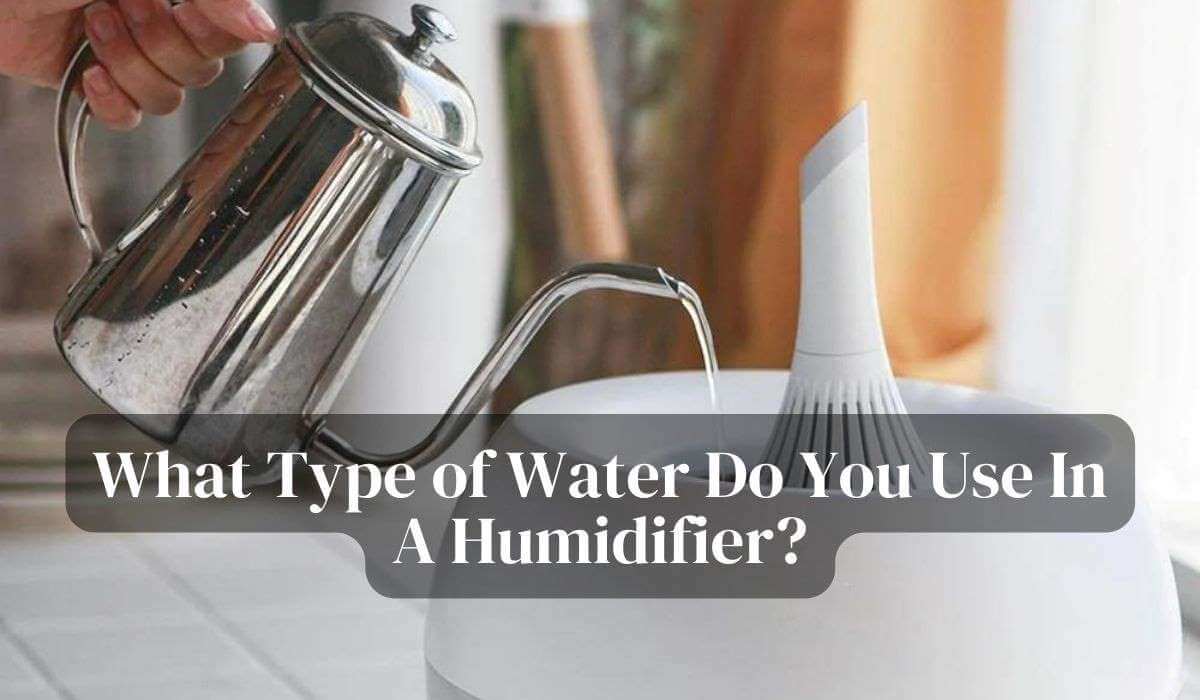
So, you just got a humidifier. Awesome! You’re ready to turn your dry, dusty bedroom into a lush, misty paradise. But then comes the million-dollar question: what type of water do you actually put in there?
It’s not just a simple “water is water” kind of deal. Stick with me, because the answer is way more interesting than you think—and it can save you a ton of cleaning hassle.
The Tap Water Trap
Your first instinct might be to walk over to the sink and fill up your tank. That’s totally logical, but it’s also a bit of a plot twist. Tap water is packed with minerals like calcium and magnesium—the same stuff that creates hard water spots on your shower glass.
Must Read
When you run a humidifier with tap water, it turns into a tiny mineral cannon. It sprays those white dust particles into the air, coating your furniture in a fine, chalky film. You’re basically breathing in a microscopic desert, and nobody signed up for that.
Bottom line: Tap water works in a pinch, but it’s like eating a great burger with cheap ketchup—functional but messy.
Distilled Water: The Superstar
Here’s where things get cool. Distilled water is the VIP of humidifier hydration. Why? Because it’s been boiled into steam and then condensed back into liquid, leaving all those pesky minerals behind. It’s practically pure H₂O.
Using distilled water means no white dust, no mineral buildup, and a much happier machine. It’s like giving your humidifier a spa day every time you fill it. Your nose will thank you, too, especially if you have allergies or sensitive sinuses.
The only downside? You have to buy it at the store or spend time distilling it yourself. But honestly, a gallon costs less than your morning latte.
Filtered Water: The Middle Ground
If distilled water feels too fancy, filtered water is your friendly compromise. A standard pitcher filter (like a Brita or PUR) will strip out chlorine and some minerals. It won’t make the water completely pure, but it’s a huge upgrade from tap.
Think of it this way: filtered water is the cool cousin who shows up to the party a bit late but brings snacks. It cuts down on the white dust and helps your humidifier stay cleaner longer. Plus, it’s cheap and easy to get at home.
 The ideal type of water for your dehumidifier
Pro tip: Replace your filter regularly, or you’re just pushing old gunk around.
What About Boiled Or Bottled Water?
You might wonder: “Can I just boil my tap water and call it a day?” Great question, but here’s the thing—boiling kills bacteria, but it concentrates the minerals, not removes them. So you still get that dusty mist. Not ideal.
And bottled water? That’s a mixed bag. Most spring or purified bottled water still has minerals like sodium or calcium. Unless the label says “distilled,” you’re basically pouring fancy tap water into your machine. Waste of money, honestly.
Your best bet is to stick with distilled or filtered. Your humidifier will run quieter, last longer, and you won’t be scrubbing white crud off your nightstand ever again.
The Crystal-Clear Takeaway
Here’s the simple rule: if you want a clean machine and a clean room, use distilled water. If that feels like too much effort, grab a good filter and use filtered water. Just don’t dump straight tap water into a fancy ultrasonic humidifier and expect magic—because you’ll get a fog of microscopic chalk instead.
Think of it like your morning coffee. You could use ditch water, but you wouldn’t. You want good beans, good temperature, and good water. Your lungs deserve the same treatment.
So next time you fill up that tank, ask yourself: am I being kind to this machine? Or am I setting it up for a lifetime of mineral gunk? The choice is yours, and it’s honestly a fun little experiment to see how clean your air can feel.
Now go hydrate your air—and maybe grab a gallon of distilled while you’re at the store. Your humidifier is basically a tiny cloud factory, and every cloud deserves the best ingredients.
