Home Water Purification Systems For Rainwater

Have you ever stood outside in a summer downpour, watched the rain gush off your roof, and thought, “Wow, that’s a lot of free water?” I have. And let’s be honest, watching it...
Have you ever stood outside in a summer downpour, watched the rain gush off your roof, and thought, “Wow, that’s a lot of free water?” I have. And let’s be honest, watching it swirl down the driveway into the storm drain feels a little like watching your hard-earned cash slip away. That’s where a home water purification system for rainwater comes in—a way to turn that sky juice into something you can actually use.
Think of your roof as your own personal, giant funnel. Instead of just letting that water splash onto your petunias, you can capture it. But here’s the thing: roof water isn’t exactly bottled water. It’s picked up dust, bird footprints, and probably a few leaves that look like tiny, soggy ninjas. You don’t want to drink those ninjas.
Why Bother With Rain? Is It Worth the Bucket?
Maybe you’re thinking, “I have a perfectly good tap. Why would I mess with a system?” Great question. Imagine your water bill is a little dragon that breathes fire on your wallet every month. Using rainwater for your garden, washing your car, or—after proper filtration—even for drinking can slay that dragon.
Must Read
Beyond the money, there’s a warm, fuzzy feeling. You’re using a resource that falls from the sky for free, instead of pulling it from an overstressed river or aquifer. It’s like finding a twenty-dollar bill in your old jeans, except it happens every time it rains.
Plus, there’s something deeply satisfying about seeing your plants thrive on water that literally landed on your roof an hour ago. It feels like you’re in on a secret that nature has been offering forever.
The “Yuck” Factor: What’s Actually in That Water?
Alright, let’s be real. The thought of drinking water that touched your roof shingles can make your nose wrinkle. And honestly, you’re right to be cautious. Rainwater straight from the gutter is like a crazy salad—a mix of dust, pollen, bird droppings, and maybe a bit of moss.
But here’s the good news: filtration is your best friend. A basic system acts like a bouncer at a cool club. It keeps the dirt, bugs, and debris out, letting only the clean water through. Think of it as giving your rainwater a spa day before it enters your home.
You’re not drinking the gray sludge from the gutter. You’re drinking water that has been sediment-filtered, carbon-blocked, and UV-treated. That’s fancier than most coffee machines, and much healthier.
How Simple Can a System Be? Let’s Talk Tiny Steps
You don’t need a lab coat or a PhD in plumbing. For gardening, you can start as simple as a rain barrel with a mesh screen. Just a big plastic drum under your downspout. It’s cheap, easy, and suddenly you’re the neighbor with the lush tomatoes.
For indoor use—like flushing toilets or doing laundry—you’d want a first-flush diverter. This clever little gadget flushes away the first few gallons of rain (the dirty roof rinse) and then saves the rest. It’s like skimming the foam off your hot cocoa.
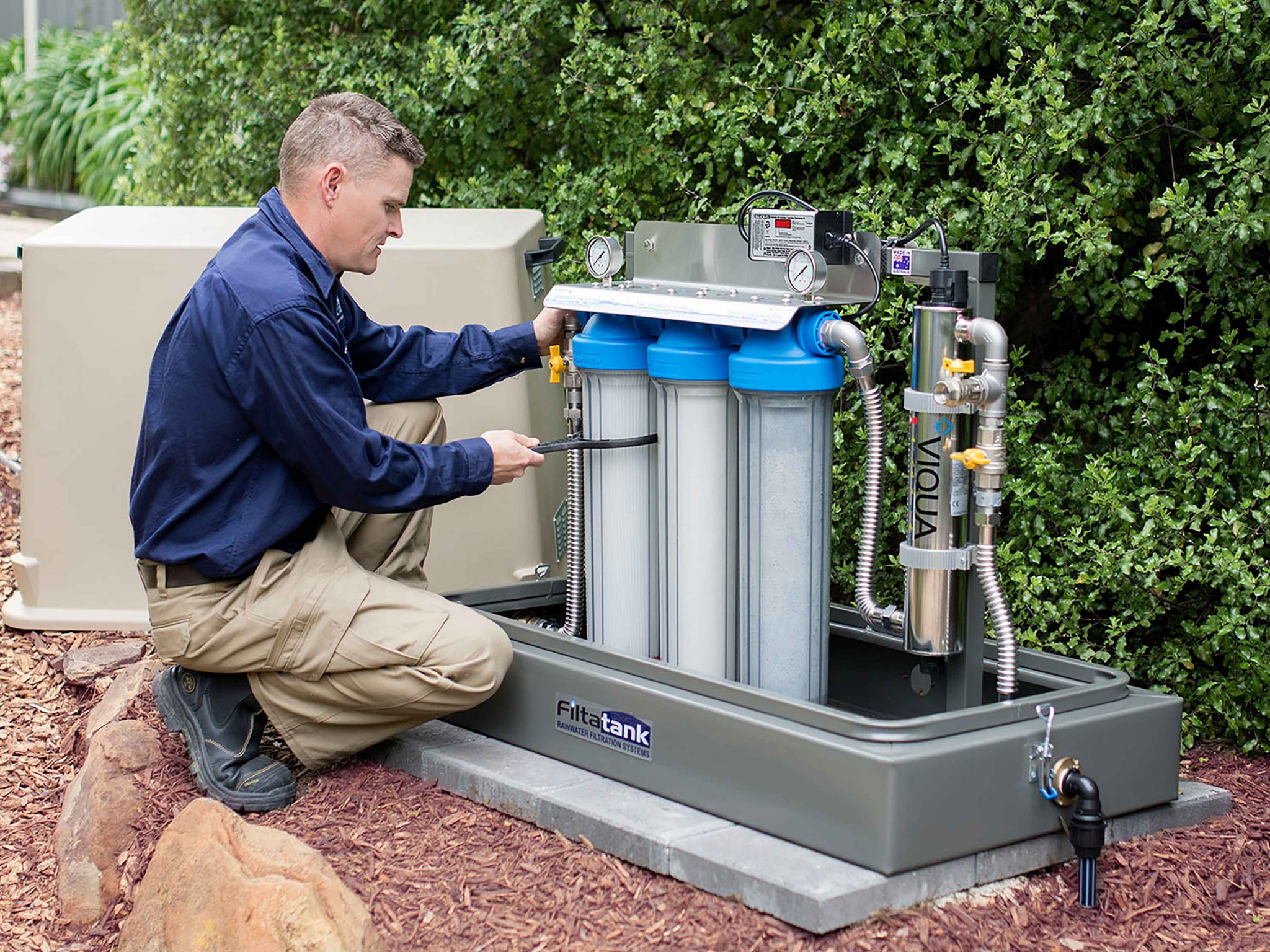
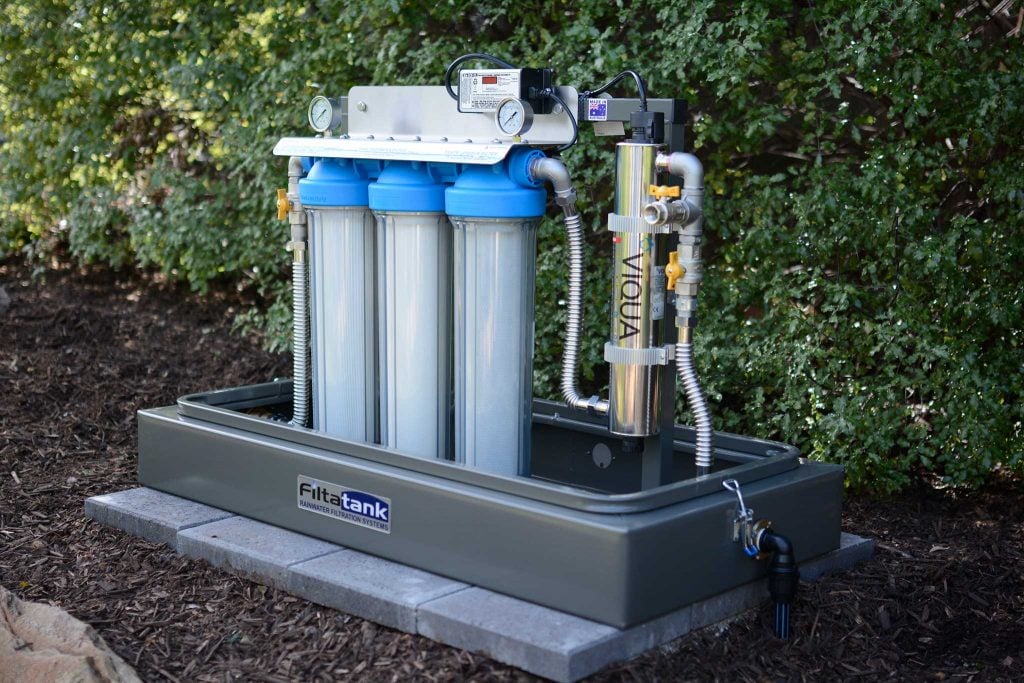
And if you want to drink it? That’s a step up. You’ll need a multi-stage filtration system that includes a UV light to zap any tiny germs. It sounds serious, but many of these systems look like a sleek silver canister under your sink—no louder than a humming refrigerator.
 Water Tank Filters & Rainwater Filtration Systems - The Tank Doctor
A Little Story: The Day I Tasted My Own Rain
I remember the first time I used my filtered rainwater for a cup of tea. I was nervous. I felt like a mad scientist. But after running it through a simple carbon filter, I boiled it, and it tasted like… water. Clean, crisp, and totally boring in the best way.
That moment felt incredible. I had made something useful from a downpour. I felt resourceful, like MacGyver, but without the mullet. And my wallet didn’t cry when I watered my fern collection that week.
What’s the Catch? (There’s Always a Little One)
Systems aren’t free. A good barrel setup might cost you fifty to a hundred dollars. A serious whole-house purification system could be a few hundred. But think of it as buying a lifetime supply of water for your garden.
You need to clean the filters now and then. It’s not hard—mostly unscrewing a canister or rinsing a mesh screen. It takes about as much effort as cleaning your toaster crumb tray.
Also, check your local laws. In some places, rainwater harvesting is heavily encouraged. In a few odd spots, it’s weirdly regulated. A quick internet search will tell you if you’re all clear to be a rain-saving hero.
Who Should Really Get One?
If you’re the person who groans every time the sprinkler bill arrives, this is for you. If you have a garden that you love more than your couch, this is definitely for you. If you just like the idea of being slightly more self-sufficient and less dependent on the city grid, you’re the target audience.
Even if you’re a renter, you can use a simple barrel setup. Just attach it to a downspout with a cut piece of flexible hose. It’s surprisingly easy to remove when you move out. No permanent damage, just permanent savings.
Final Sip: Why You Should Care Right Now
The rain isn’t going to stop falling. Every drop that hits your roof is a tiny gift you can accept or ignore. A home purification system is simply a polite way of saying, “Thank you, sky, I’ll take that.” It’s sustainable, it’s smart, and it makes you feel like a modern homesteader in your own suburban house.
So next time a storm rolls in, don’t just watch the puddles. Imagine the cool, filtered water waiting in your tank. Imagine your plants thriving, your car gleaming, and your water bill looking a little less scary. It might just be the most satisfying hobby you’ll ever start—and all you have to do is collect the rain.
