Uv Light Replacement Bulb For Water Treatment

Hey, let’s talk about something you probably never think about, but totally should: your water treatment system’s UV light bulb. I know, I know—glamorous topic, right? But sti...

Hey, let’s talk about something you probably never think about, but totally should: your water treatment system’s UV light bulb. I know, I know—glamorous topic, right? But stick with me, because this little glass tube is basically the bouncer at the club of your home’s water supply. And when it goes dim, things can get… messy.
What’s the Big Deal with UV Light Anyway?
Think of UV light as a tiny superpower that zaps bacteria, viruses, and other microscopic party crashers. It doesn’t filter them out; it literally destroys their DNA. That’s like giving them a permanent ban—no second chances, no guest list.
But here’s the kicker: that bulb doesn’t last forever. It’s not like a regular light bulb where you just wait for it to flicker and die. UV bulbs have a secret shelf life, usually around 9 to 12 months, even if they still look fine. Why? Because the UV output weakens over time, like a tired superhero losing their powers.
Must Read
Ever left a flashlight on for days and noticed the beam getting yellow and weak? That’s exactly what happens here, but with invisible light. And since you can’t see the damage, it’s easy to forget. Out of sight, out of clean water, right?
When Should You Swap It Out?
Most UV systems come with a little reminder alarm or a timer sticker, but let’s be real—we all ignore those. You know, like the “change your furnace filter” reminder that’s been blinking for three years. Don’t be that person.
Set a calendar reminder on your phone. Call it “Bulb Swap Day” and treat yourself to a fancy coffee after. The rule is simple: replace the bulb every 12 months, no exceptions. Your gut will thank you later, and not in the “I ate too much pizza” kind of way.
But wait—what if your water tastes fine? That’s the trick, isn’t it? You can’t taste or smell a virus. A dead bulb doesn’t turn the water brown or give it a weird odor. It just stops killing stuff. So you’re basically drinking untreated water and hoping for the best. Feeling lucky?
How to Pick the Right Replacement Bulb
First, don’t guess. UV bulbs are not one-size-fits-all, like sweatpants. You need the exact wattage and length that matches your system. Check the model number on the old bulb or the unit itself—it’s usually a boring code like “G36T6L/4P” or something equally cryptic.
Here’s where it gets playful: you’ll find cheap knockoff bulbs online for half the price. Resist the temptation! Those off-brand bulbs might work for a week, then poop out like a $5 umbrella in a hurricane. Stick with the brand your system recommends, or at least a certified equivalent. Your water deserves the real deal.
And don’t forget the quartz sleeve—that protective glass tube around the bulb. If it’s cloudy or cracked, replace it too. Think of it as the bulb’s raincoat. A dirty raincoat means less UV gets through, and then you’re back to square one. Sad trombone sound.
DIY Replacement: Easier Than You Think
I’m not handy. At all. I once tried to hang a picture and ended up patching a hole in the drywall. But swapping a UV bulb? I can do it in five minutes. Seriously. Unplug the system, twist off the old bulb (carefully—it’s glass), and slide the new one in. That’s it. No tools, no cussing, no YouTube tutorial needed.
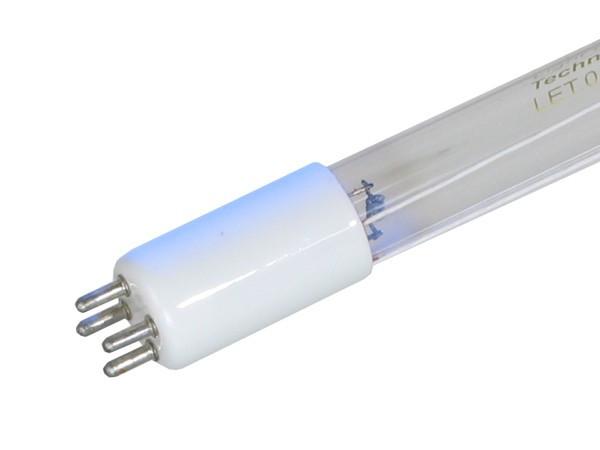 Watts - WUV12 UV Light Bulb for Germicidal Water Treatment
Just wash your hands first. Oils from your skin can cause hot spots on the bulb and shorten its life. Or wear gloves if you’re fancy. Either way, keep those greasy fingerprints off the glass. Mystery solved.
After you plug it back in, give it a second to warm up. You’ll see a faint purple-blue glow if you peek through the viewport. That’s the look of victory—and of germ-free water. High-five yourself. You earned it.
The Cost Factor: Is It Worth It?
Okay, so UV bulbs aren’t free. A good one might set you back $30 to $80, depending on the brand. That’s about the cost of two or three fancy takeout meals. Would you rather have sushi for a night or clean water for a year? I know my answer, and it doesn’t involve raw fish.
Compare that to the cost of a waterborne illness—missed work, doctor bills, and a whole lot of regret. Suddenly a $60 bulb sounds like a steal, right? Prevention is cheaper than cure, as your grandma probably said while force-feeding you chicken soup.
Plus, UV systems use almost no electricity. A typical bulb uses as much power as a 40-watt incandescent light. That’s like leaving a nightlight on. Your wallet won’t feel a thing.
One Last Thing: Don’t Skip the Annual Swap
I know it’s easy to put off. The bulb still lights up, the system hums along, and life gets busy. But here’s the truth: UV bulbs are like expiration dates on milk. You don’t wait until it smells sour to throw it out. You trust the calendar.
Set the reminder. Order the bulb now. Do it while you’re reading this, because if you close the tab, you’ll forget. And next thing you know, it’s been 18 months and your water is basically hosting a microbial rave. Don’t let that party happen in your pipes.
So go ahead. Become the UV bulb champion of your household. Tell your friends. Post about it on social media (okay, maybe not). But at least smile knowing your water is safe, your bulb is fresh, and you just crushed adulting like a pro. Cheers to that—with a glass of clean, UV-treated water. You’re welcome.
