Which Reservoir Supplies My Water By Postcode

Ever stood in your kitchen, glass under the tap, and thought, “Who sent you, water? Where did you come from?” No? Just me? Well, grab that glass, because we’re about to go on...
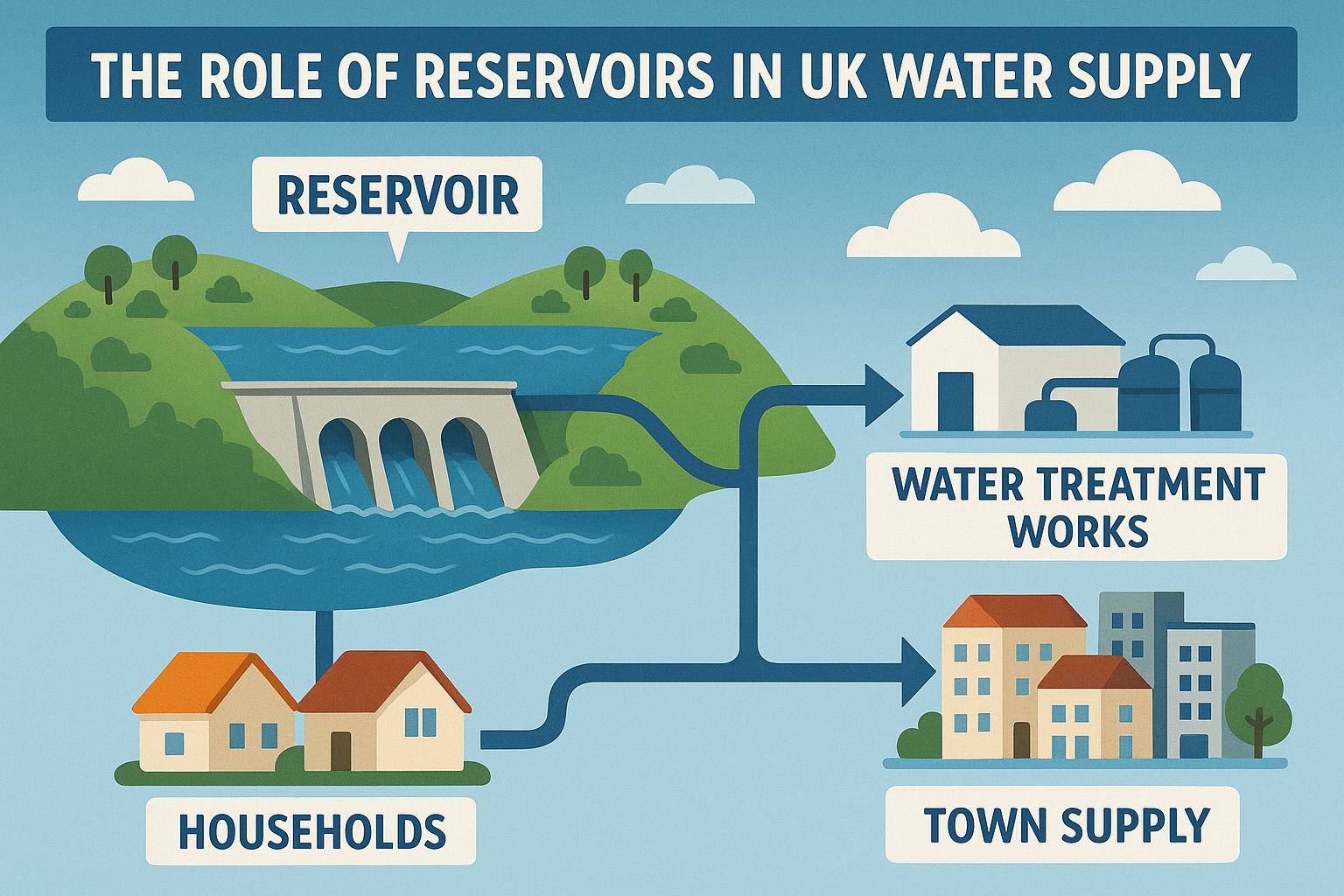
Ever stood in your kitchen, glass under the tap, and thought, “Who sent you, water? Where did you come from?” No? Just me? Well, grab that glass, because we’re about to go on a little adventure. We’re figuring out which reservoir supplies your water by postcode—and trust me, it’s more fun than it sounds.
First, a reality check: you don’t actually get water from a single reservoir like a magic mailbox. Your tap water is a mix from several sources—rivers, groundwater, and yes, reservoirs—all blended together. It’s like a smoothie, but with more H₂O and less kale.
The Quickest Way to Find Out
Stop guessing and start typing. Head to your local water company’s website and drop in your postcode. Most of them have a “Find My Water Source” tool that’s easier than finding a matching sock.
Must Read
For example, if you live in London, Thames Water will tell you your water likely comes from the River Thames or reservoirs like Queen Mary’s Reservoir. Fancy, right? You’re basically drinking royal history.
Pro tip: If you’re in Scotland, you’re in luck—Scottish Water often sources from lochs. Yes, you might be sipping water a monster almost swam in. Almost.
But Seriously, Which Reservoir?
Let’s talk specifics. Your postcode doesn’t point to a single reservoir like a GPS to treasure. Instead, your water comes from a water supply zone, and that zone pulls from a network. Think of it as a team of reservoirs passing the water baton.
In the North West, United Utilities might serve you from Thirlmere Reservoir in the Lake District. That’s water from a national park—basically the celebrity of water sources. You’re drinking scenery!
Down in the South West, South West Water often uses Roadford Reservoir or Colliford Lake. If your postcode starts with PL or TQ, you might be guzzling water that once rained on a sheep. Don’t worry, they filtered it.
Why Does This Matter?
Knowing your water’s origin helps you understand its taste and hardness. Reservoirs in hard rock areas (like the Pennines) give you soft water—great for soap suds. Reservoirs in limestone areas (like the South East) give you hard water—great for limescale sculptures in your kettle.
Plus, it makes you sound incredibly smart at dinner parties. “Oh, my water? It comes from Ladybower Reservoir in the Peak District. Very exclusive.” You’ll be the toast of the table.
What If My Postcode is Vague?
No problem! Your water company’s website has a “Water Quality” section. Just enter your postcode, and they’ll tell you the specific treatment works and reservoir system. It’s like a birth certificate for your tap water.
Can’t find it? Call them. Yes, call—like it’s 1999. They love talking about their reservoirs. “Oh, you’re in SW1A? That’s from the Lee Valley network. Very prestigious.”
Warning: The person on the phone might get too excited. One time, a guy told me my water’s life story for twenty minutes. I now know its favourite colour. (It’s clear.)
The Big Trick: Using Online Maps
Some water companies provide interactive maps that show reservoirs near you. Zoom in on your postcode, and little blue dots appear. Each dot is a reservoir that could be feeding your home. It’s like a Where’s Waldo? for hydration.
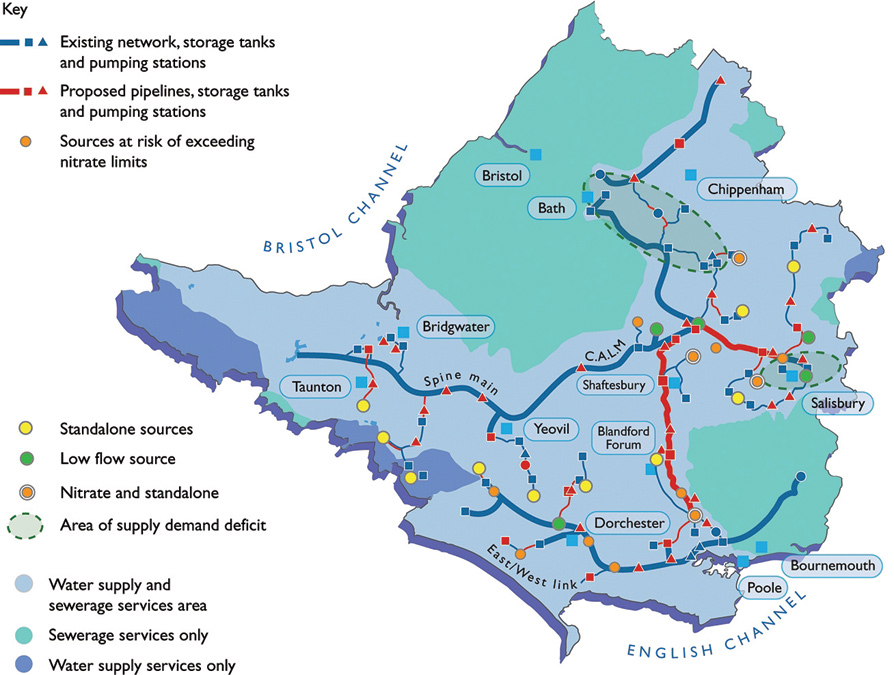 Water Supply GRID (2019) | Water Projects
If you’re in Yorkshire, Yorkshire Water’s map might highlight Scammonden Reservoir. That water flows through moorland where hardy sheep judge your hiking speed. You’re drinking their smugness.
Remember: The water you drink today might have been in a different reservoir last week. Water is a traveler, a nomad in pipes. It’s the backpacker of liquids.
What About Droughts?
During dry spells, your water company might switch sources. Your postcode doesn’t change, but the reservoir lineup does. It’s like a musical chairs for hydration—except nobody loses (unless you’re a lawn).
So, don’t panic if your reservoir runs low. The system is designed to borrow from neighbors. Your tap water is basically the friendly guy who asks, “Hey, can I crash at your place for a week?”
Bottom line: Just because you live near a reservoir doesn’t mean you drink from it. That big lake you see on your morning walk? It might be feeding someone else’s tea kettle. Water politics, man.
Fun Fact: The Oldest Reservoirs
Some reservoirs in the UK date back to the Victorian era. Liverpool’s Rivington Reservoir was built in the 1850s. Imagine the hair oil that’s been through those pipes—yikes. Still, it’s cleaner now than then, I promise.
These old reservoirs are often beautiful spots for walks. So you can visit your water’s childhood home on a Sunday. Pack a picnic, wave at the dam, and say, “Thanks for the hydration, old pal.”
How to Be a Water Detective
Grab your postcode, google “water source by postcode [your company name],” and you’ll get a PDF or a page. Bookmark it for bragging rights. Then, next time it rains, yell, “Yes! More for my reservoir!”
Oh, and if you’re on a private well? You’re your own reservoir. Congratulations, you’re a micro-water tycoon. Don’t let the power go to your head (or your pipes).
The Uplifting Conclusion
So, now you know: your tap water is a globe-trotting superstar with a supporting cast of reservoirs, rivers, and sneaky underground aquifers. Your postcode is just the mailing address for a party that never stops flowing.
Next time you fill up, take a moment. Cheers to the rain that fell on a hill, to the Victorian engineers who built the dam, and to the modern scientists who make sure it’s safe. You are drinking the result of centuries of teamwork.
And remember: no matter which reservoir supplies your water by postcode, every sip is a tiny miracle—delivered to your home by a network of pipes, pumps, and pure human ingenuity. Now go pour yourself another glass. You’ve earned it, you beautiful, hydrated human. 🚰
