Check If Property Has Water Meter By Postcode

So, you’re staring at a property listing, and your brain is doing that weird thing where it asks terrifying adult questions. Like, “Does this charming fixer-upper have a water...
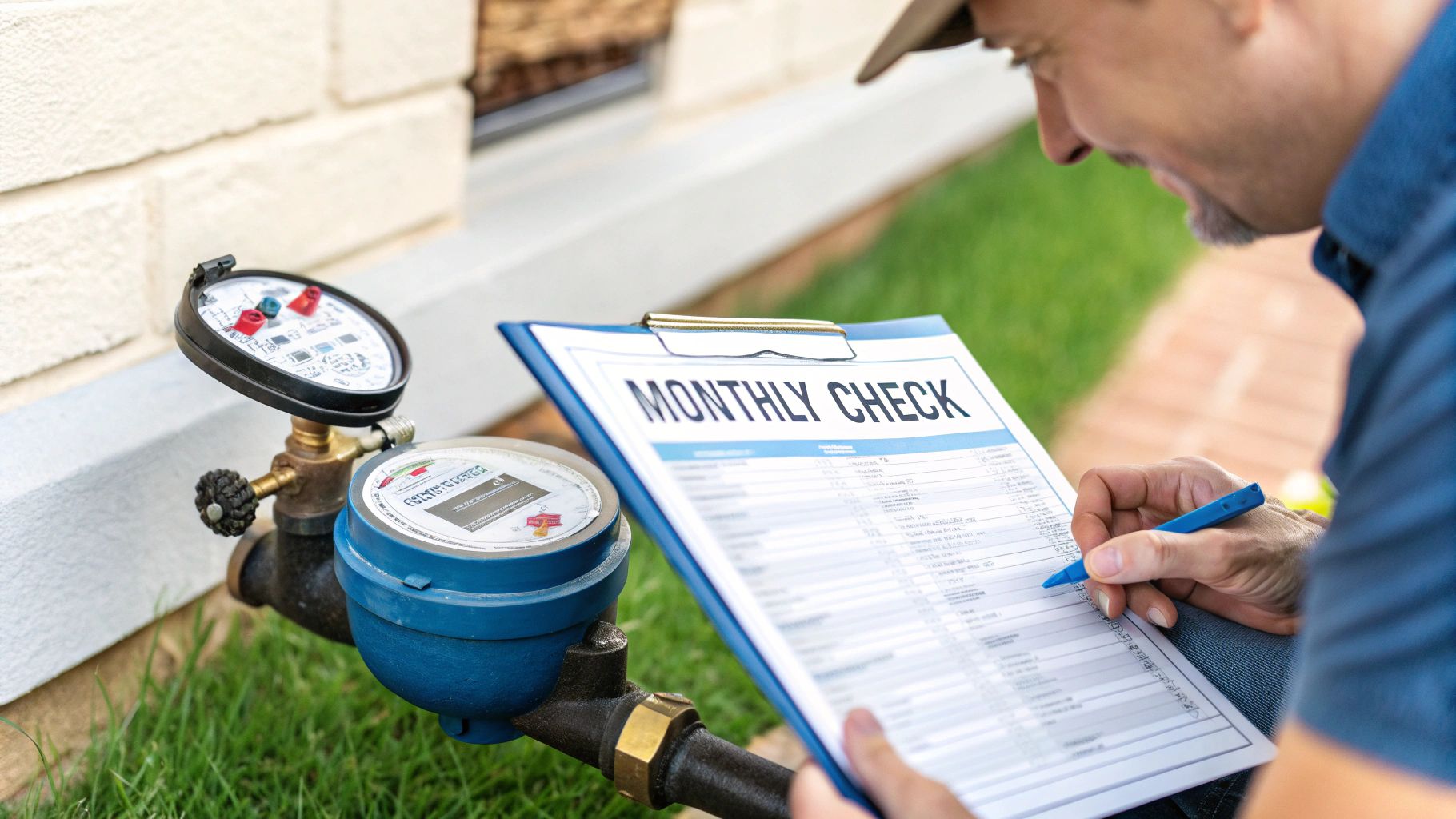
So, you’re staring at a property listing, and your brain is doing that weird thing where it asks terrifying adult questions. Like, “Does this charming fixer-upper have a water meter, or will I be paying for the entire neighborhood’s sprinkler system?” Welcome to the thrilling world of municipal plumbing. I promise it’s more fun than it sounds—barely.
The Great Water Mystery (And Your Wallet)
Imagine this: you move into a bungalow with garden gnomes, only to discover a water bill that looks like Drake’s streaming budget. That is the horror of an unmetered property. You pay a flat rate based on your home’s “rateable value,” which is basically a guess from 1982.
Meanwhile, your neighbor with a meter pays for exactly what they use, like a reasonable human. An unmetered bill can be up to 400% higher than a metered one for a single person. Yes, you read that right—four times the money, just for flushing.
Must Read
Postcodes to the Rescue
But before you call a plumber with a metal detector, there’s a simpler tool: your postcode. In the UK, you can check if a property has a water meter by typing its postcode into a few clever websites. It’s like a psychic hotline, but for pipes.
Services like the Water UK postcode checker or your local water company’s portal will spill the beans. You just need the postcode and, sometimes, the house number. It’s easier than remembering your Wi-Fi password.
How It Actually Works (No Magic Required)
Here’s the science: every water company in the UK keeps a database of metered properties. They’re legally required to tell you—because bureaucracy loves transparency. You enter the postcode, and their server does a digital somersault.
If the property has a meter, you’ll get a cheerful “Yes” or a serial number. If not, you’ll see a sad face emoji (or a polite “no”). It’s like a Tinder swipe for your plumbing future.
Surprising Fact: The “Free” Myth
About 40% of UK homes still have unmetered water, mostly in older Victorian terraces. But here’s the kicker: landlords often hide this info. Why? Because unmetered bills are paid by them (the scammers) or passed to you in vague “service charges.”
I once met a guy who moved into a flat, got a £2,000 water bill, and found out the meter was buried under a concrete slab. He now calls his postcode checker his “financial prophylactic.” Wise words.
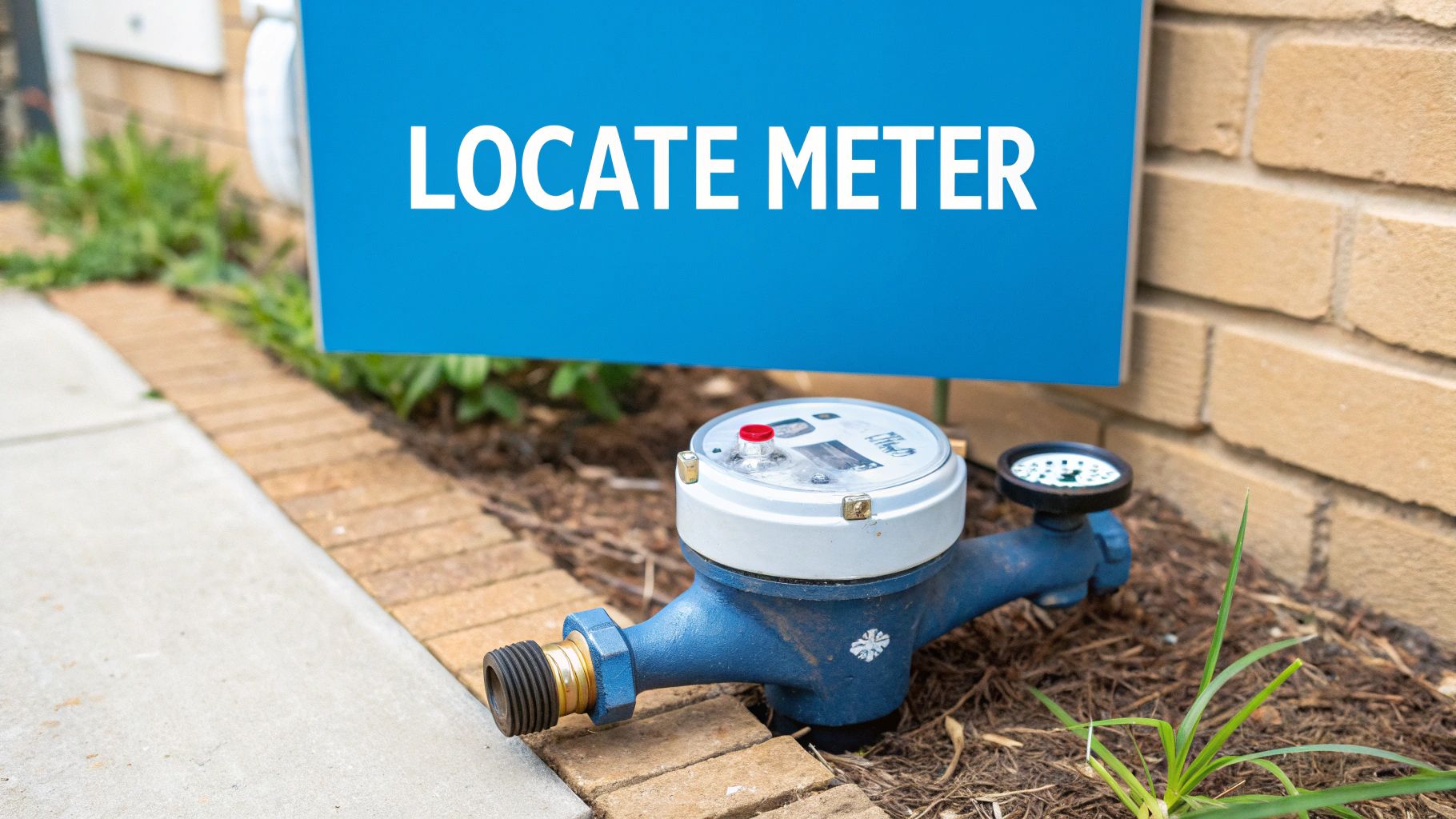 How to Read Water Meter: The Ultimate Homeowner's Guide - Mokher Plumbing
The Shortcut You Need (And a Joke)
Try the official Ofwat postcode tool, or just Google “[your water company] find a meter.” Most have a one-click checker. It’s faster than making toast, and you won’t burn your fingers.
Pro tip: if the property is in Scotland, the system is slightly different—they’re mostly metered since 2004. But in England and Wales, it’s a wild mix. One street can have five metered houses and one that’s basically paying for a swimming pool.
But Wait—What If There’s No Meter?
Don’t panic. You can request a meter for free from most water companies. It’s like asking for a receipt after a date: awkward but smart. The company must install one if it’s “practicable.”
However, if your postcode checker says “no meter,” and the property is a mansion with a Japanese koi pond, ask the seller why. They might be hiding a leak the size of a garden hose—to your bank account.
The Verdict (And a Dad Joke)
Checking the water meter by postcode is the easiest win you’ll have all week. No ladders, no crawling under sinks, just a few clicks. You’re basically a detective, but with better coffee.
Why do water meters never get lost? Because they always meter their way home! (Sorry, I had to). Seriously, do this check before you buy. Your future self—and your wallet—will thank you.
Now go forth, type in that postcode, and laugh in the face of terrifying bills. You’ve got this.
