Paying Off Debt With Equity When Moving House

So, my friend Dave called me the other day, panicked. He’d just accepted an offer on his condo, but the math wasn’t mathing. He thought he’d walk away with a fat check, but af...

So, my friend Dave called me the other day, panicked. He’d just accepted an offer on his condo, but the math wasn’t mathing. He thought he’d walk away with a fat check, but after the realtor fees and that lingering credit card balance, he was staring at a $4,000 loss. Yikes.
That’s when I dropped a weird little real estate bomb on him: pay off debt with equity when you move. Yeah, it sounds like financial jargon you’d skip over, but it’s actually a slick, sneaky trick. Basically, instead of cashing out your home’s value to buy a fancier TV, you use it to kill those annoying debts.
Think about it. Your house has been quietly building value while you slept. That’s equity—the difference between what your home is worth and what you still owe the bank. And when you sell, that equity usually lands in your lap as cash. But here’s the irony: most people treat it like a bonus, not a first-aid kit.
Must Read
I watched my neighbor do the opposite last year. He sold his starter home, made $60k in profit, and immediately leased a luxury SUV. Six months later, he was drowning in car payments and a new sofa he bought on credit. Brilliant, right? Sarcasm. He could have used that equity to wipe out his student loans instead.
Let me break it down like we’re grabbing coffee. When you sell your home, you get a giant check at closing. That’s your equity minus fees. You have a choice: roll it into your next house (to lower your new mortgage) or divert it to debt destruction. I’m begging you—choose the second option if you have high-interest credit cards or personal loans.
Why This Feels Weird (But Works)
Here’s the psychological catch. You’re trading asset for liability. Your house is a “good” thing, and debt is a “bad” thing. Swapping one for the other feels like downgrading. But your house is illiquid—you can’t live on equity. Debt, meanwhile, is eating your income alive.
Imagine you owe $15k on a credit card at 22% interest. That’s costing you roughly $275 a month in finance charges. If you use $15k of your home equity to nuke that card, you’ve just given yourself a $275 monthly raise. That’s a pay bump without asking your boss. Pretty sweet, huh?
The trick is timing. You do this simultaneously with the sale. Your real estate attorney or closing agent can literally wire that chunk of cash directly to your credit card company before you ever see it. That way you’re not tempted to “treat yourself” to a vacation because the money disappeared into debt heaven.
But Wait—What About Your Next House?
I know what you’re thinking: “But I need that equity for my down payment on my next place!” Fair point. But here’s where you get clever. You don’t have to drain all of it. You can use, say, 50% to kill debt and 50% for the new house. It’s a balance, not an all-or-nothing game.
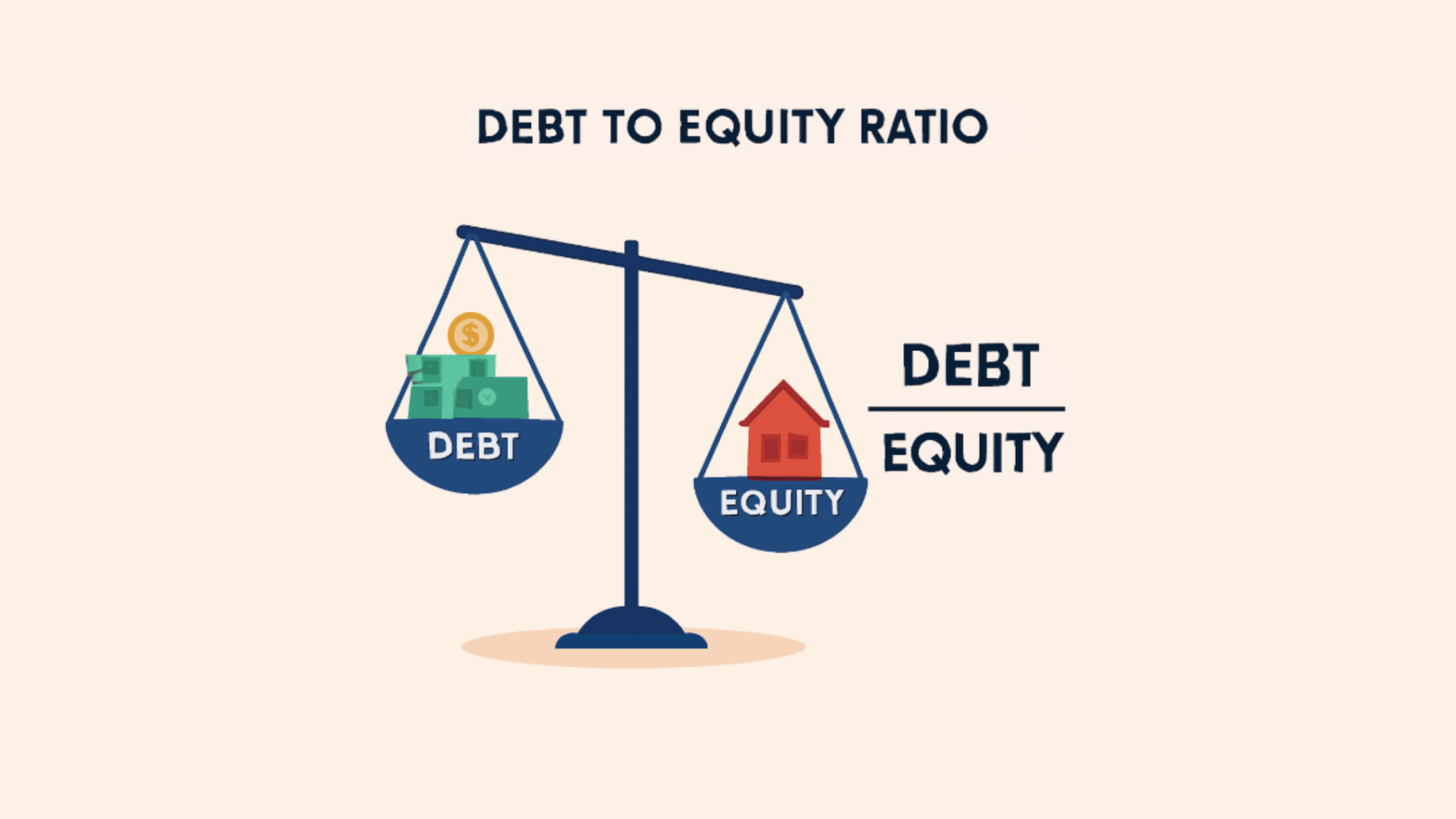 Debt to Equity Ratio Meaning, Formula & Examples | Ultima Markets
Or—and this is punk-rock—you could downsize. Yes, I said it. Move to a slightly smaller house or a different neighborhood. That frees up even more equity to blast away debt. You get a simpler life with fewer monthly payments. Your future self will send you a thank-you note.
Dave did exactly that. He used $8k of his equity to pay off his credit card, and the rest went into a modest down payment on a duplex. Now his mortgage is lower, his debt is zero, and he’s not waking up at 3 AM sweating about interest rates. He’s actually boring now. Boring is beautiful.
The Only Catch (You Knew There Was One)
This strategy only works if you have enough equity to cover the debt. If your home is worth less than what you owe (underwater), you’re not in the driver’s seat. That’s a tough spot, but then you’re looking at short sales or negotiation—not this trick.
Also, check your loan terms. Some mortgages have prepayment penalties if you pay off the loan early. Rare, but annoying. And don’t forget capital gains tax if your profit exceeds the exemption (usually $250k for single, $500k for married). But for most folks, that’s not an issue.
Finally, a dose of reality: paying off debt with equity doesn’t fix the spending habits that created the debt in the first place. You’re cleaning the wound, not stitching the vein. So after you move, maybe close the credit card accounts. Or at least cut them up. Do it. I’ll wait.
The Bottom Line
Moving house is stressful enough without letting equity slip through your fingers. Treat that check like a sword, not a pillow. Use it to cut off the debts that have been nibbling your paycheck for years. You’ll walk into your new home lighter, freer, and maybe even a little smug.
So, next time you’re signing those closing papers, look at the numbers and ask yourself: “Do I want a bigger kitchen, or do I want to never think about my credit card again?” One of those answers is way more satisfying. Trust me. Dave’s buying a round this weekend with the money he saved.
