How Often Should You Change Your Keurig Filter

So there I was, last Tuesday, staring into the abyss of my third cup of coffee. You know the feeling—that desperate, pre-caffeinated haze where everything looks like a mirage....

So there I was, last Tuesday, staring into the abyss of my third cup of coffee. You know the feeling—that desperate, pre-caffeinated haze where everything looks like a mirage. I took a sip, and instead of that bright, crisp wake-up call I was begging for, I got a mouthful of... dust. It tasted like the bottom of a gym bag. My husband, bless his heart, said it was “earthy.” I said it was a crime scene.
That’s when I remembered the little plastic basket inside my Keurig—the one holding the charcoal filter. The one I hadn’t thought about since the Bush administration. That’s the moment this article was born. Because let’s be real: we all want that perfect cup, but we treat our machines like they run on unicorn tears and magic. Spoiler: they don’t.
The Short Answer (Because You’re Caffeinated and Busy)
Change your Keurig water filter every two months. Yes, two months. That’s roughly the lifespan of a good houseplant or a New Year’s resolution. But wait—don’t just skip to the end. Because there’s a catch, and it involves your tap water (yes, I’m judging your tap water).
Must Read
If you use bottled water or have a fancy home filtration system, you might stretch it to three months. If you live somewhere with hard water—where the faucets look like a calcified coral reef—change it every six weeks. Your taste buds will thank you. Your machine will beg you.
The “But It Still Makes Coffee” Problem
Here’s the trap I fell into: the coffee still comes out hot. It still comes out brown. So my brain said, “Looks fine, smells fine, let’s roll.” But coffee is a liar. That weird bitterness you thought was just “strong coffee”? That’s actually mineral buildup and old filter funk having a party in your mug.
Think of the filter like a sponge for bad vibes. Over time, it gets saturated. It stops filtering and starts leeching. You’re basically giving your coffee a bath in the stuff you were trying to remove. Gross, right? That’s why the two-month rule exists—it’s the “before it becomes a science experiment” deadline.
What Happens If You Forget? (Spoiler: It’s Not the Apocalypse)
Look, I’m not here to scare you. I forgot for months, and I’m still alive. But your machine might not be. The biggest risk isn’t bad taste—it’s scale buildup. A clogged filter makes your Keurig work harder, which means it breaks sooner.
You’ll start hearing weird sounds. Gurgling. Coughing. The kind of sound a coffee maker makes when it’s writing a passive-aggressive note to you. And cleaning a scaled-up machine? That’s a full vinegar bath, a lot of cursing, and a lost afternoon. Trust me. Two months is cheaper than a new Keurig.
The “How Do I Even Get This Thing Out?” Guide
I know, I know—looking at that filter holder is like trying to solve a Rubik’s Cube blindfolded. But it’s simple: pop off the water reservoir lid, pull out the filter basket (it’s usually a little white plastic cylinder), and twist the bottom off. Dump the old filter, rinse the basket, and click in a new one.
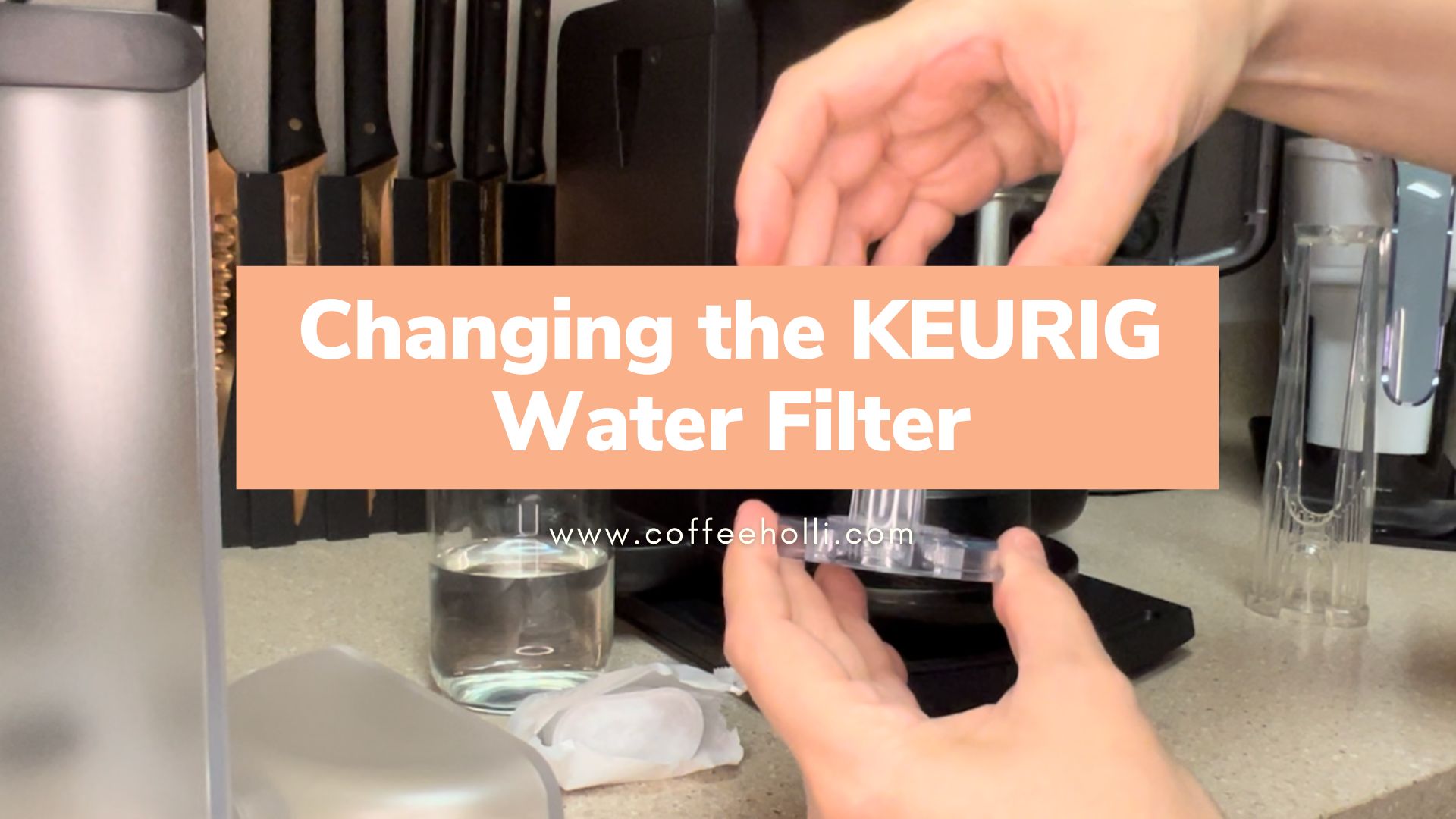 How Often To Change The Keurig Filter at Angel Singleton blog
Pro tip: Soak the new filter in cold water for five minutes first. This activates the charcoal. If you don’t, you’ll get black specks floating in your first cup, and you’ll panic and think you’re drinking a science project. You’re welcome.
But What if You Never Use the Filter?
Here’s a secret: some people never use the filter. They just use tap water straight in the reservoir. And you know what? Their coffee is fine. But fine is not great. If your tap water tastes like a swimming pool (chlorine) or a riverbed (minerals), the filter is your best friend.
If you have pristine, mountain-spring-quality tap water? You rebel. Skip the filter entirely. But then you must clean your machine monthly. See? Filters are the lazy person’s cleaning hack. They do the work so you don’t have to.
One Last Thing—The “I Only Drink One Cup a Day” Exception
Ah, you, the casual sipper. You make one cup in the morning, then ignore the machine for 23 hours. Good news: your filter lasts longer—about three to four months. Bad news: you still have to deal with stagnant water. If you leave water in the reservoir for weeks, change the filter every three months and dump the old water daily.
I know, I know—“dump the water daily” sounds like a chore. But stagnant water grows bacteria. And bacteria tastes like... regret. So either chug that old water into a plant, or commit to the filter change schedule. Your choice.
The Final Sip
Look, I’m not your mom. I can’t stand over you with a calendar and a pack of filters. But I can tell you this: mark your calendar for every two months. Change it when you change your toothbrush. Or when the moon is full. Or when your coffee starts tasting like a sad memory.
Your Keurig is a loyal soldier. It makes you coffee on dark mornings, during late nights, in the middle of Zoom calls where you just need a reason to walk away. Give it the love it deserves. Change the filter. Take a sip. Smile. You’ve got this. Now go—your coffee is getting cold.
