Potassium Chloride Side Effects Water Softener

Alright, let’s talk about water softeners. Specifically, let’s gab about potassium chloride—the hippie cousin of the usual sodium chloride. You’ve probably heard whispers: “It...
Alright, let’s talk about water softeners. Specifically, let’s gab about potassium chloride—the hippie cousin of the usual sodium chloride. You’ve probably heard whispers: “It’s better for you! It’s more natural!” And sure, it’s kind of like the kale chip of salt substitutes. But does it come with side effects? Of course it does. This is life, after all—nothing is perfect, not even your fancy, tree-hugging water softener salt.
Wait, What Is Potassium Chloride Doing in My Water?
First, a quick reality check. Potassium chloride is just a salt alternative used to regenerate your water softener’s resin beads. Instead of dumping sodium into your water, it swaps in potassium. Sounds great, right? Well, it’s like swapping your morning coffee for a kale smoothie—you feel virtuous, but your stomach might have a few words with you later.
Most people switch because they’re on a low-sodium diet. Or they’ve heard that potassium is “heart-healthy.” News flash: drinking soft water isn’t like taking a potassium supplement. But hey, every little bit counts, right?
Must Read
Side Effect #1: You Might Grow a… Well, a Tiny Wallet Dent
Let’s start with the most obvious side effect: potassium chloride is expensive. Like three to four times more expensive than regular salt. You’ll be paying for that warm, fuzzy feeling of being eco-conscious. Your water softener will work just fine, but your bank account might give you a passive-aggressive shrug every time you buy a bag.
Is it worth it? Maybe. If you’re already splurging on organic kombucha, go for it. But if you’re trying to save for a vacation, stick with the cheap stuff. Your water won’t care.
Side Effect #2: The “Sludge Monster” in Your Brine Tank
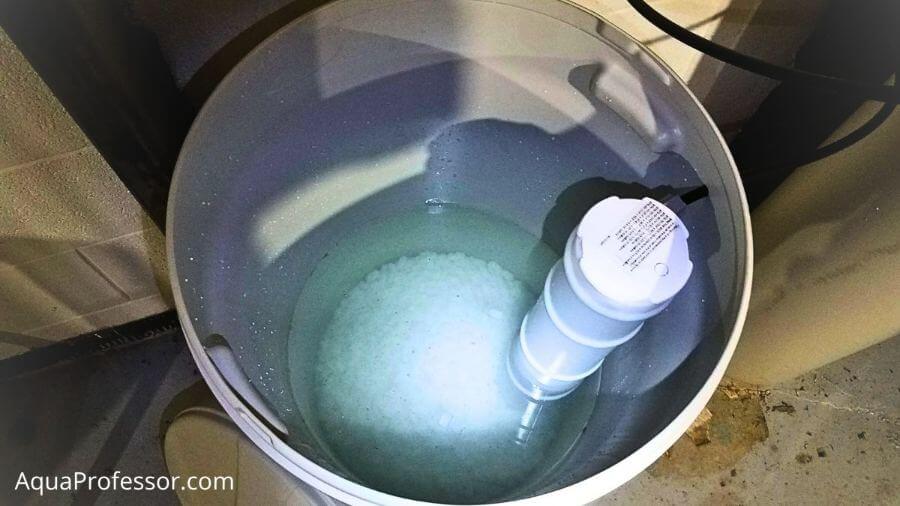
Potassium chloride is a bit of a diva. It doesn’t dissolve as easily as sodium chloride. This means it can turn into a mushy, soggy mess in your brine tank. Think of it as the oatmeal of water softeners—good for you, but it clumps up and gets weird if you don’t stir it.
You’ll need to clean your tank more often. Like, once a month instead of once a year. That’s not a huge deal, but it’s a chore. And chores are the real villains in life. (Sorry, laundry.)
Side Effect #3: Your Water Might Taste… Bland?
Okay, this one’s subtle, but some people notice it. Potassium chloride can give your water a slightly metallic or bitter taste. It’s not strong—more like a whisper than a shout. But if you’re a water connoisseur (yes, that’s a thing now), you might wrinkle your nose.
On the flip side, sodium chloride can make water taste a little salty. So really, you’re just picking your poison. And no, neither option will turn your tap water into Evian. Sorry to break it to you, fancy pants.
Is Potassium Chloride Actually Bad for You?
Here’s the kicker: potassium is essential for your body. It helps your nerves zing and your heart thump. But if you have kidney problems or take certain blood pressure meds, too much potassium can be dangerous. Don’t panic—the amount in softened water is tiny. You’d have to drink a swimming pool’s worth to cause issues.
 Can I use Potassium Chloride in My Culligan Water Softener? (2023 Updated)
But talk to your doctor if you’re worried. Seriously, don’t take medical advice from a sassy article writer like me. I’m not a doctor; I just play one in my bathroom mirror.
Side Effect #4: Your Plants Might Ghost You
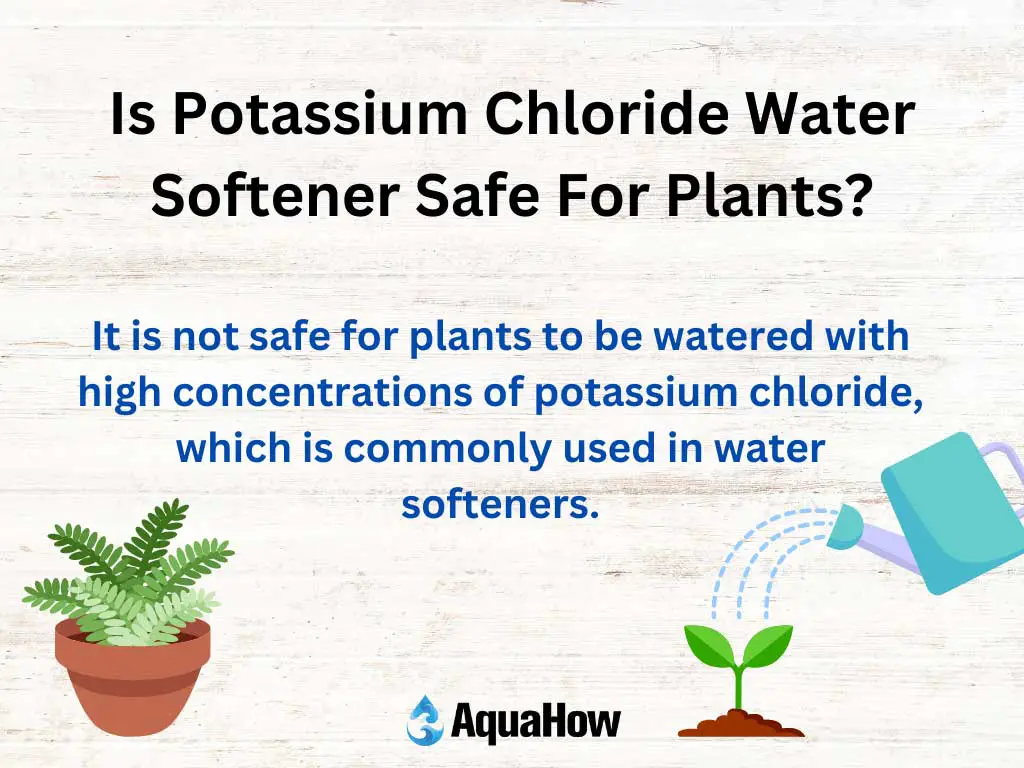
If you water your garden with softened water, your plants might throw a tantrum. Potassium chloride adds potassium to the soil, which sounds great until you realize it’s a salt. Too much salt, and your tomatoes get salty drama—they turn yellow and stop growing. It’s like giving a cactus a soda: nobody wins.
Use softened water for your indoor plants sparingly, or better yet, install a bypass for the outdoor spigot. Your petunias will thank you. (They won’t actually thank you, but you’ll feel better.)
The Final Verdict: Should You Switch?
Here’s the deal: Potassium chloride is a fine option if you’re sodium-sensitive, eco-conscious, or just like trying new things. The side effects are mostly annoying, not dangerous. You’ll spend more money, clean your tank more, and maybe notice a weird taste. But hey, no more salty water—that’s a win for your heart and your taste buds.
And if you decide to stick with sodium chloride? That’s cool too. Your water softener won’t judge you. It’s like choosing between chocolate and vanilla—both are delicious, and neither will ruin your life.
A Happy, Sparkly Conclusion
So, here’s the uplifting part: regardless of which salt you choose, your water will be softer. Your skin will feel silkier. Your dishes will gleam like they’re auditioning for a soap commercial. And you’ll never have to scrub hard water stains again. That alone is a win worth celebrating—maybe with a tall glass of softened water. Clink clink!
Go easy on yourself. You’re doing great, friend. And your water softener? It’s doing its best too. Now go enjoy that silky-smooth shower and remember: life’s too short to stress over a little salt. You’ve got this. And your water’s got you. 🌊💧
